Pagina d'esempio: così appare la pagina di una struttura con il kit di Natura Intorno.Sample page: this is what a host's page looks like with the Natura Intorno kit.

Struttura di esempio

Specie osservate nei dintorniSpecies observed nearby

Osservazioni delle 30 specie di questa pagina entro 10 km, mese per mese.Observations of the 30 species on this page within 10 km, month by month.

UccelliBirds10 specie10 species

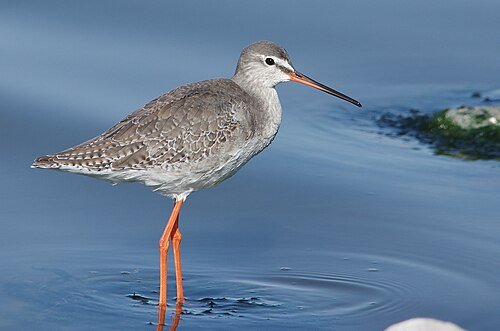
Tringa erythropus
FotoPhoto: El Golli Mohamed, CC BY-SA 4.0, originaleoriginal

Totano moroSpotted Redshank

Spotted Redshank

Totano moro

Tringa erythropus

Il totano moro (Tringa erythropus (Pallas, 1764)) è un uccello migratore della famiglia degli Scolopacidae dell'ordine dei Charadriiformes, diffuso nel vecchio mondo. Wikipedia

The spotted redshank (Tringa erythropus) is a wader (shorebird) in the large bird family Scolopacidae. It breeds across northern Scandinavia and the northern Palearctic and migrates south to the Mediterranean, the southern British Isles, France, tropical Africa, and tropical Asia for the winter. Wikipedia

Osservata 15 volte entro 10 km.Observed 15 times within 10 km.

Mesi migliori: aprile.Best months: April.
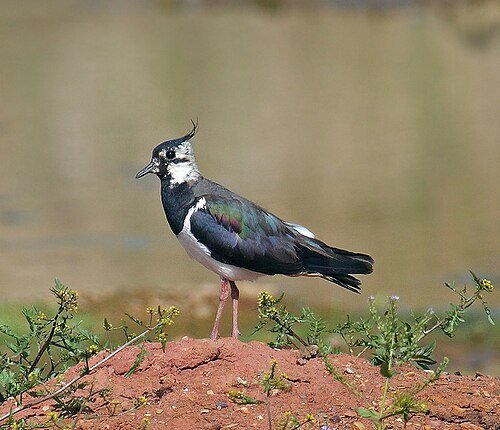
Vanellus vanellus
FotoPhoto: Andreas Trepte, CC BY-SA 2.5, originaleoriginal

PavoncellaNorthern Lapwing

Northern Lapwing

Pavoncella

Vanellus vanellus

La pavoncella (Vanellus vanellus, Linnaeus, 1758) è un uccello di media grandezza diffuso in buona parte dell'Europa. Frequenta le pianure, i vasti territori coltivati a campi e zone parzialmente umide, ma la si incontra anche nei pascoli, fino a quote medio alte, nella stagione invernale e durante il passo. Wikipedia

The northern lapwing (Vanellus vanellus), also known as the peewit or pewit, tuit or tewit, green plover, or (in Ireland and Great Britain) pyewipe or just lapwing, is a bird in the lapwing subfamily. It is common through temperate Eurosiberia. Wikipedia

Osservata 10 volte entro 10 km.Observed 10 times within 10 km.

Mesi migliori: marzo–aprile.Best months: March–April.

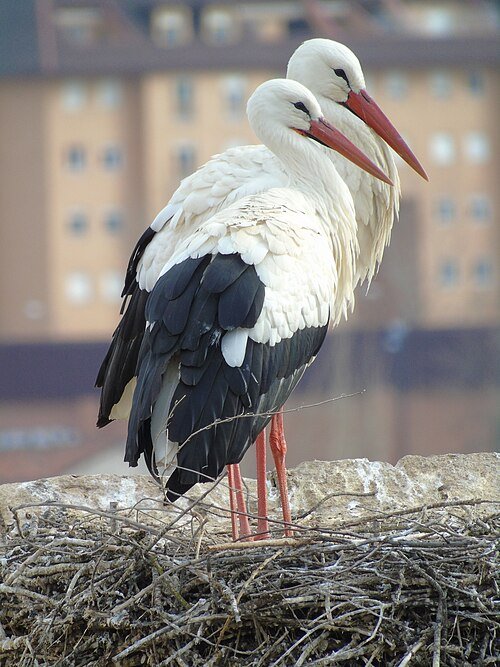
Ciconia ciconia
FotoPhoto: Fernando Losada Rodríguez, CC BY-SA 4.0, originaleoriginal

Cicogna biancaWhite Stork

White Stork

Cicogna bianca

Ciconia ciconia

La cicogna bianca (Ciconia ciconia (Linnaeus, 1758)) è un grande uccello della famiglia delle cicogne, i Ciconiidae, facilmente riconoscibile per il suo candido piumaggio prevalentemente bianco, con penne nere sulle ali. Wikipedia

The white stork (Ciconia ciconia) is a large bird in the stork family, Ciconiidae. Its plumage is mainly white, with black on the bird's wings. Adults have long red legs and long pointed red beaks, and measure on average 100–115 cm (39–45 in) from beak tip to end of tail, with a 155–215 cm (61–85 in) wingspan. Wikipedia

Osservata 7 volte entro 10 km.Observed 7 times within 10 km.

Mesi migliori: aprile.Best months: April.
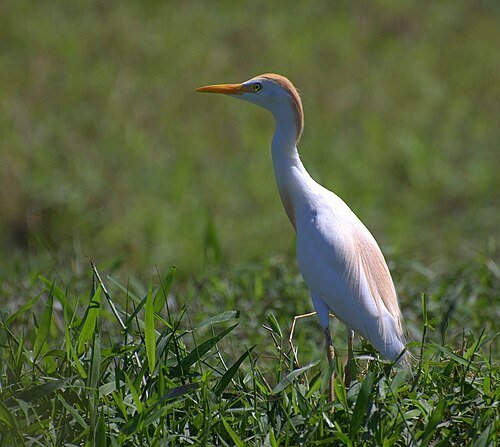
Ardea ibis
FotoPhoto: Dario Sanches from São Paulo, Brasil, CC BY-SA 2.0, originaleoriginal

Airone guardabuoi occidentaleWestern Cattle-Egret

Western Cattle-Egret

Airone guardabuoi occidentale

Ardea ibis

The western cattle egret (Ardea ibis) is a species of heron (family Ardeidae) found in the tropics, subtropics and warm temperate zones. Wikipedia

The western cattle egret (Ardea ibis) is a species of heron (family Ardeidae) found in the tropics, subtropics and warm temperate zones. Wikipedia

Osservata 6 volte entro 10 km.Observed 6 times within 10 km.

Mesi migliori: aprile.Best months: April.
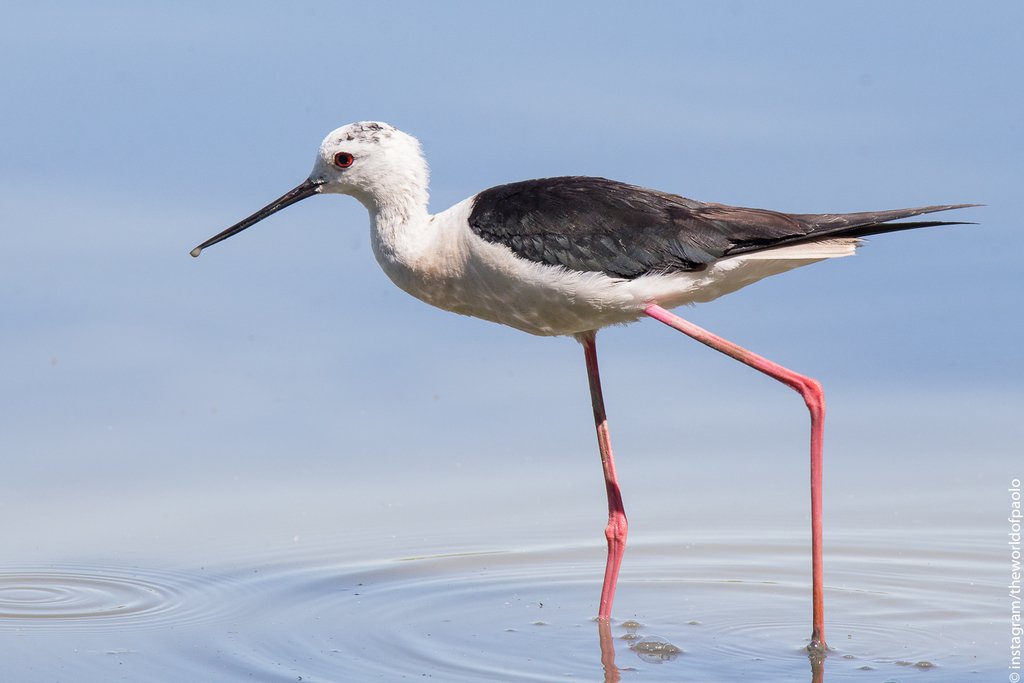
Himantopus himantopus
FotoPhoto: Paolo Zucca, CC BY 4.0, originaleoriginal

Cavaliere d'ItaliaBlack-winged Stilt

Black-winged Stilt

Cavaliere d'Italia

Himantopus himantopus

Il cavaliere d'Italia (Himantopus himantopus) è un uccello acquatico della famiglia dei Recurvirostridi. Wikipedia

The black-winged stilt (Himantopus himantopus) is a widely distributed, very long-legged wader in the avocet and stilt family Recurvirostridae. Its scientific name, Himantopus himantopus, is sometimes used to generalize a single, almost cosmopolitan species. Wikipedia

Osservata 6 volte entro 10 km.Observed 6 times within 10 km.

Mesi migliori: aprile.Best months: April.
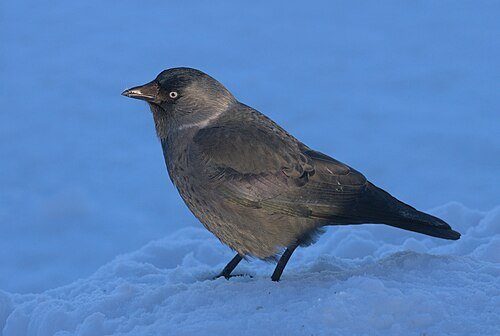
Coloeus monedula
FotoPhoto: Dion Art, CC BY-SA 4.0, originaleoriginal

TaccolaEurasian Jackdaw

Eurasian Jackdaw

Taccola

Coloeus monedula

La taccola o taccola eurasiatica (Coloeus monedula (Linnaeus, 1758)) è un uccello passeriforme appartenente alla famiglia dei corvidi. Wikipedia

The western jackdaw (Coloeus monedula), also known as the Eurasian jackdaw, the European jackdaw, or simply the jackdaw, is a passerine bird in the crow family. It is found across Europe, western Asia and western North Africa; it is mostly resident, although northern and eastern populations migrate south in the winter. Wikipedia

Osservata 4 volte entro 10 km.Observed 4 times within 10 km.

Vista in: aprile (4).Seen in: April (4).

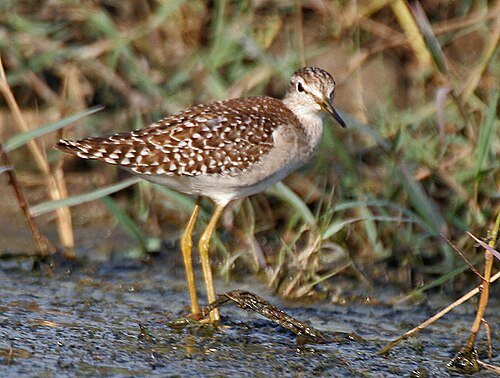
Tringa glareola
FotoPhoto: J.M.Garg, CC BY-SA 3.0, originaleoriginal

Piro piro boschereccioWood Sandpiper

Wood Sandpiper

Piro piro boschereccio

Tringa glareola

Il piro-piro boschereccio (Tringa glareola, Linnaeus 1758) è un uccello della famiglia degli Scolopacidae dell'ordine dei Charadriiformes. Wikipedia

The wood sandpiper (Tringa glareola) is a small wader belonging to the sandpiper family Scolopacidae. Wikipedia

Osservata 4 volte entro 10 km.Observed 4 times within 10 km.

Vista in: aprile (4).Seen in: April (4).

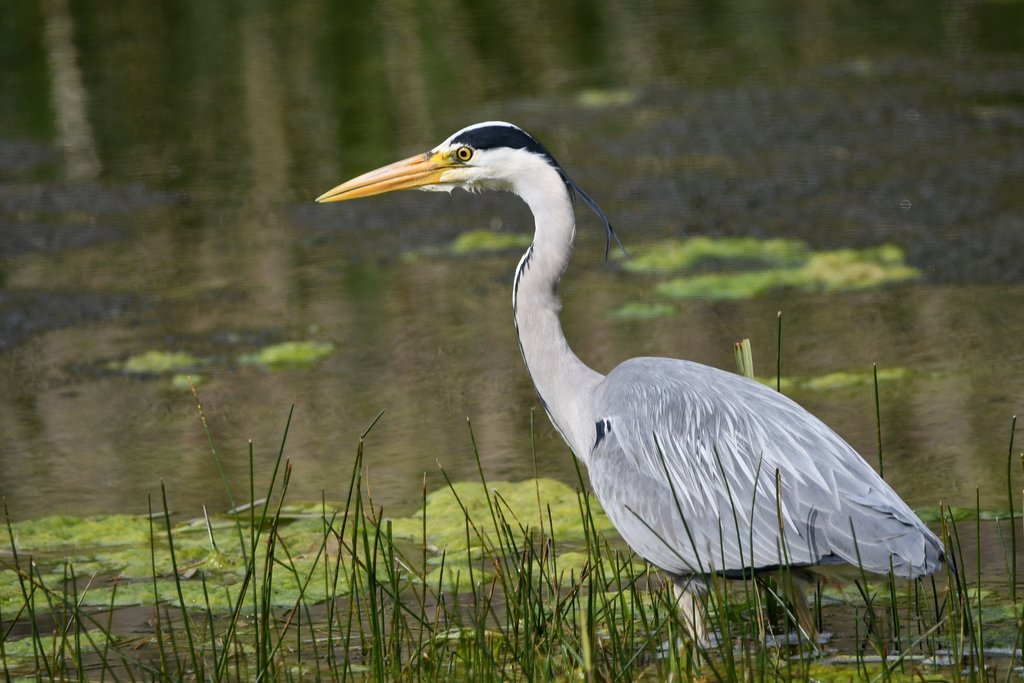
Ardea cinerea
FotoPhoto: Frank Sengpiel, CC BY 4.0, originaleoriginal

Airone cenerinoGrey Heron

Grey Heron

Airone cenerino

Ardea cinerea

L'airone cenerino (Ardea cinerea Linnaeus, 1758) è un uccello appartenente alla famiglia Ardeidae. Wikipedia

The grey heron (Ardea cinerea) is a long-legged wading bird of the heron family, Ardeidae, native throughout Europe, Asia, and most of Africa. It is resident in much of its range, but some populations from the more northern parts migrate southwards in autumn. Wikipedia

Osservata 3 volte entro 10 km.Observed 3 times within 10 km.

Vista in: aprile (2), maggio (1).Seen in: April (2), May (1).

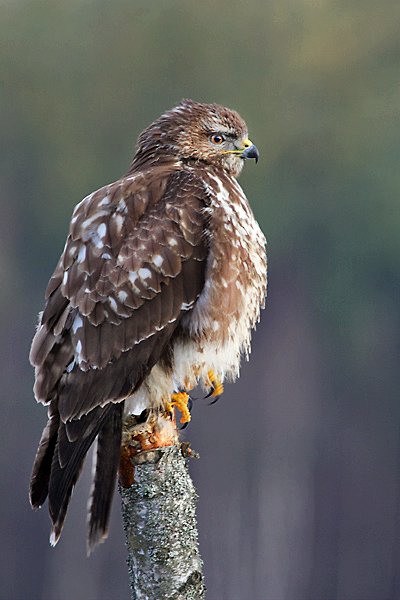
Buteo buteo
FotoPhoto: Marek Szczepanek, CC BY-SA 3.0, originaleoriginal

Poiana comuneCommon Buzzard

Common Buzzard

Poiana comune

Buteo buteo

La poiana comune (Buteo buteo Linnaeus, 1758), detta anche bozzago, bozzagro, bozzegro, buzzago, buzzagro o abuzzago, è un uccello rapace della famiglia Accipitridae. Il suo areale copre la maggior parte dell'Europa e si estende in Asia. Vive in tutte le zone tranne che in quelle più fredde. Wikipedia

The common buzzard (Buteo buteo) is a medium-sized bird of prey with a large range. It is a member of the genus Buteo in the family Accipitridae. Wikipedia

Osservata 3 volte entro 10 km.Observed 3 times within 10 km.

Vista in: gennaio (1), aprile (2).Seen in: January (1), April (2).

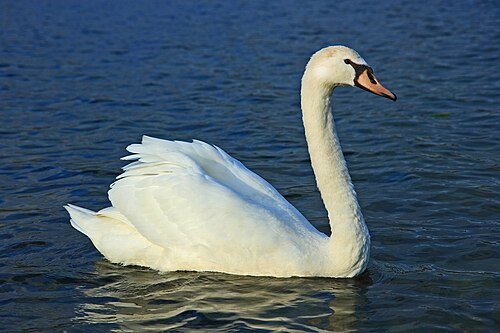
Cygnus olor
FotoPhoto: Sanchezn, CC BY-SA 3.0, originaleoriginal

Cigno realeMute Swan

Mute Swan

Cigno reale

Cygnus olor

Il cigno reale (Cygnus olor (Gmelin, 1789)) è un uccello acquatico appartenente alla famiglia Anatidae, originario dell'Eurasia ma introdotto anche in America del Nord, Oceania e Africa Meridionale. Wikipedia

The mute swan (Cygnus olor) is a species of swan and a member of the family Anatidae within the waterfowl order. It is native to much of Europe and parts of Asia and (as a rare winter visitor) the far north of Africa. Wikipedia

Osservata 3 volte entro 10 km.Observed 3 times within 10 km.

Vista in: marzo (2), dicembre (1).Seen in: March (2), December (1).

MammiferiMammals5 specie5 species

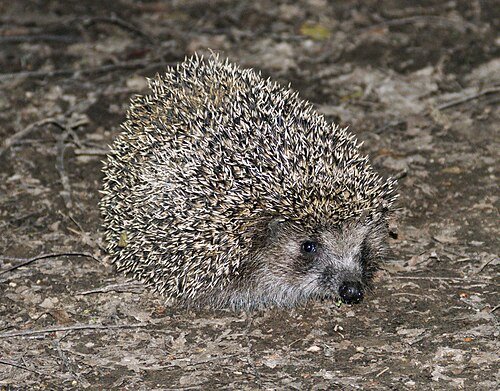
Erinaceus europaeus
FotoPhoto: Dion Art, CC BY-SA 4.0, originaleoriginal

Riccio comuneCommon Hedgehog

Common Hedgehog

Riccio comune

Erinaceus europaeus

Il riccio eurasiatico, noto anche come riccio comune (Erinaceus europaeus Linnaeus, 1758), è un mammifero eulipotiflo appartenente alla famiglia Erinaceidae. È spesso confuso con il porcospino, termine che si riferisce in realtà all'istrice. Wikipedia

The European hedgehog (Erinaceus europaeus), also known as the West European hedgehog, Western European hedgehog or common hedgehog, is a hedgehog species native to Europe from Iberia and Italy northwards into Scandinavia and westwards into Ireland. Wikipedia

Osservata 2 volte entro 10 km.Observed 2 times within 10 km.

Vista in: agosto (1), ottobre (1).Seen in: August (1), October (1).

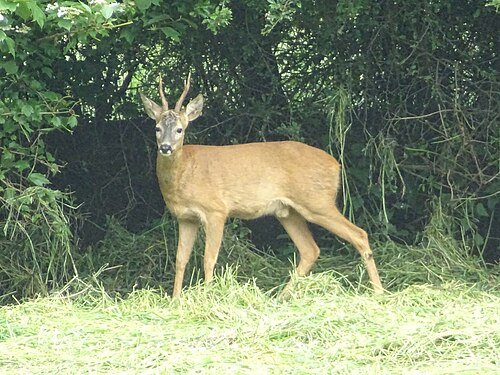
Capreolus capreolus
FotoPhoto: Karbohut, CC BY-SA 4.0, originaleoriginal

CaprioloWestern Roe Deer

Western Roe Deer

Capriolo

Capreolus capreolus

Il capriolo eurasiatico (Capreolus capreolus, Linnaeus, 1758) è un ungulato diffuso in Eurasia. Wikipedia

The roe deer (Capreolus capreolus), also known as the roe, western roe deer, or European roe, is a species of deer. The male of the species is sometimes referred to as a roebuck. The roe is a small deer, reddish and grey-brown, and well-adapted to cold environments. Wikipedia

Osservata 1 volta entro 10 km.Observed once within 10 km.

Vista in: aprile (1).Seen in: April (1).

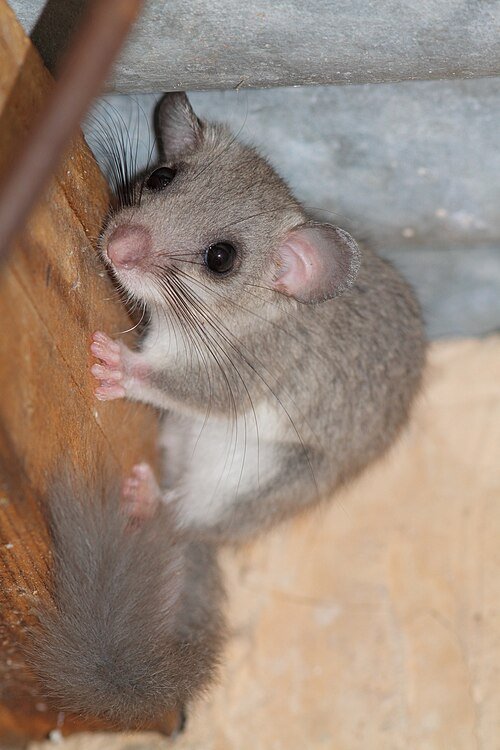
Glis glis
FotoPhoto: Bouke ten Cate, CC BY-SA 4.0, originaleoriginal

GhiroEuropean Fat Dormouse

European Fat Dormouse

Ghiro

Glis glis

Il ghiro (Glis glis Linnaeus, 1766) è un roditore appartenente alla famiglia Gliridae; è l'unica specie del genere Glis. Wikipedia

The European edible dormouse (Glis glis), also known as the European dormouse or European fat dormouse, is a large dormouse and one of only two living species in the genus Glis, found in most of Europe and parts of western Asia. The common name comes from the Romans, who ate them as a delicacy. Wikipedia

Osservata 1 volta entro 10 km.Observed once within 10 km.

Vista in: giugno (1).Seen in: June (1).

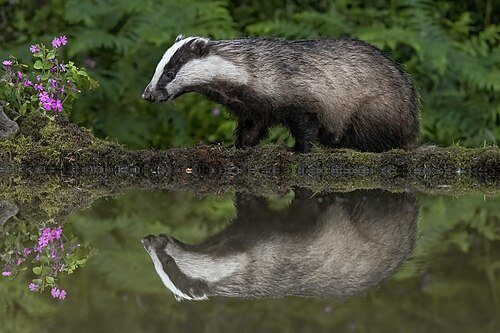
Meles meles
FotoPhoto: caroline legg, CC BY 2.0, originaleoriginal

Tasso europeoEuropean Badger

European Badger

Tasso europeo

Meles meles

Il tasso comune (Meles meles Linnaeus, 1758), noto anche come tasso eurasiatico o tasso europeo, è una specie di mammifero carnivoro appartenente alla famiglia Mustelidae. Wikipedia

The European badger (Meles meles), also known as the Eurasian badger, is a species of badger in the family Mustelidae native to Europe and West Asia and parts of Central Asia. Wikipedia

Osservata 1 volta entro 10 km.Observed once within 10 km.

Vista in: febbraio (1).Seen in: February (1).

Volpe rossaRed Fox

Red Fox

Volpe rossa

Vulpes vulpes

La volpe rossa, o semplicemente volpe (Vulpes vulpes Linnaeus, 1758), è la più grande delle volpi propriamente dette e il carnivoro con l'areale più vasto, essendo presente in tutto l'emisfero boreale, dal circolo polare artico al Nord Africa, il Nord America e l'Eurasia. Wikipedia

The red fox (Vulpes vulpes) is the largest of the true foxes, and the most widely distributed member of the order Carnivora. It is present across the entire Northern Hemisphere, including most of Europe, Asia, and North America, as well as parts of North Africa. Wikipedia

Osservata 1 volta entro 10 km.Observed once within 10 km.

Vista in: settembre (1).Seen in: September (1).

RettiliReptiles4 specie4 species

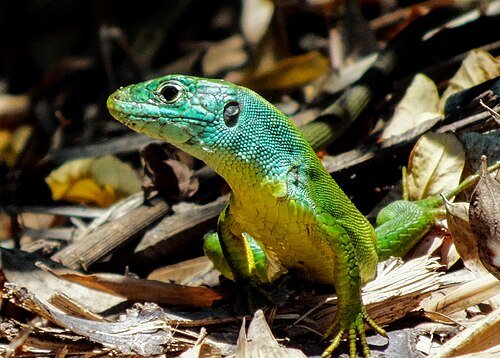
Lacerta bilineata
FotoPhoto: Mariomassone, CC BY-SA 4.0, originaleoriginal

Ramarro occidentaleWestern Green Lizard

Western Green Lizard

Ramarro occidentale

Lacerta bilineata

Il ramarro occidentale (Lacerta bilineata Daudin, 1802) è un sauro della famiglia dei Lacertidi, di colore verde brillante, rapidissimo nei movimenti. Wikipedia

The western green lizard (Lacerta bilineata) is a lizard of the family Lacertidae. Wikipedia

Osservata 5 volte entro 10 km.Observed 5 times within 10 km.

Mesi migliori: agosto.Best months: August.

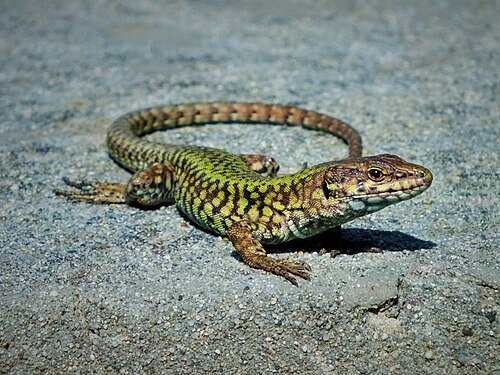
Podarcis muralis
FotoPhoto: Mariomassone, CC BY-SA 4.0, originaleoriginal

Lucertola muraiolaCommon Wall Lizard

Common Wall Lizard

Lucertola muraiola

Podarcis muralis

La lucertola muraiola (Podarcis muralis Laurenti, 1768), nota anche come lucertola dei muri, lucertola delle muraglie, lucertola murale o semplicemente muraiola, è un rettile appartenente alla famiglia Lacertidae. Wikipedia

The common wall lizard (Podarcis muralis) is a species of lizard with a large distribution in Europe and well-established introduced populations in North America, where it is also called the European wall lizard. It can grow to about 20 cm (7.9 in) in total length. Wikipedia

Osservata 5 volte entro 10 km.Observed 5 times within 10 km.

Mesi migliori: maggio.Best months: May.

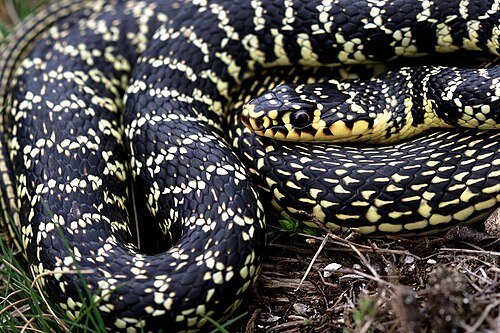
Hierophis viridiflavus
FotoPhoto: FelixReimann, CC BY-SA 3.0, originaleoriginal

BiaccoGreen Whip Snake

Green Whip Snake

Biacco

Hierophis viridiflavus

Il biacco (Hierophis viridiflavus (Lacépède, 1789)), precedentemente classificato come Coluber viridiflavus, è un serpente non velenoso per l'uomo della famiglia dei Colubridi, frequente nelle campagne e nei giardini, sia in terreni rocciosi, secchi e soleggiati, sia in luoghi più umidi come le praterie e le rive dei… Wikipedia

The green whip snake or western whip snake (Hierophis viridiflavus) is a species of snake in the family Colubridae. Wikipedia

Osservata 4 volte entro 10 km.Observed 4 times within 10 km.

Vista in: aprile (1), maggio (1), giugno (1), agosto (1).Seen in: April (1), May (1), June (1), August (1).

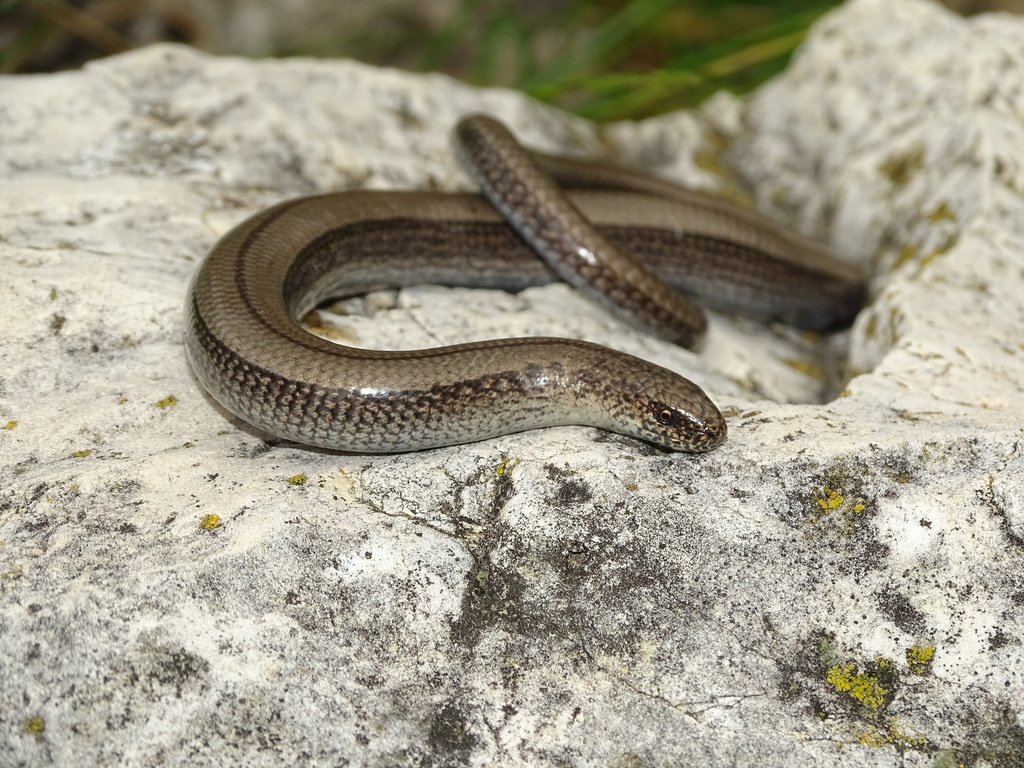
Anguis veronensis
FotoPhoto: Luca Roner, CC BY 4.0, originaleoriginal

Orbettino italianoItalian Slowworm

Italian Slowworm

Orbettino italiano

Anguis veronensis

L'orbettino italiano (Anguis veronensis Pollini, 1818) è un sauro della famiglia Anguidae diffuso in Italia e nel sud-est della Francia. L'epiteto specifico, coniato dal naturalista italiano Ciro Pollini (1782-1833), fa riferimento alla città di Verona, area geografica da cui provenivano i primi esemplari descritti. Wikipedia

Anguis veronensis, commonly known as the Italian slow worm, is a European lizard species in the family Anguidae. The slow worm is distributed throughout Italy and in southeastern part of France. Wikipedia

Osservata 3 volte entro 10 km.Observed 3 times within 10 km.

Vista in: maggio (3).Seen in: May (3).

InsettiInsects6 specie6 species

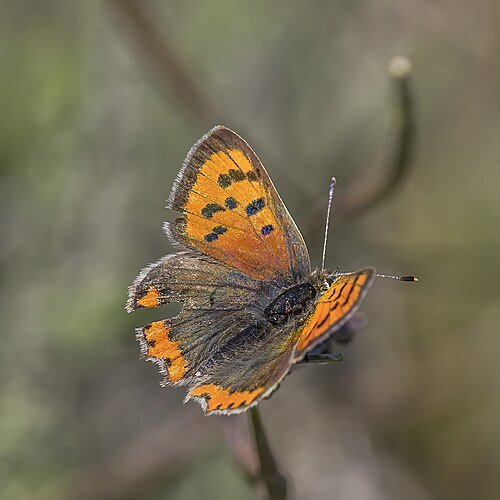
Lycaena phlaeas
FotoPhoto: Charles J. Sharp, CC BY-SA 4.0, originaleoriginal

Argo bronzeoSmall Copper

Small Copper

Argo bronzeo

Lycaena phlaeas

Lycaena phlaeas, the small copper, American copper, or common copper, is a butterfly of the Lycaenids or gossamer-winged butterfly family. According to Guppy and Shepard (2001), its specific name phlaeas is said to be derived either from the Greek φλέγω (phlégo), "to burn up", or from the Latin floreo, "to flourish". Wikipedia

Lycaena phlaeas, the small copper, American copper, or common copper, is a butterfly of the Lycaenids or gossamer-winged butterfly family. According to Guppy and Shepard (2001), its specific name phlaeas is said to be derived either from the Greek φλέγω (phlégo), "to burn up", or from the Latin floreo, "to flourish". Wikipedia

Osservata 144 volte entro 10 km.Observed 144 times within 10 km.

Mesi migliori: aprile–giugno, settembre.Best months: April–June, September.

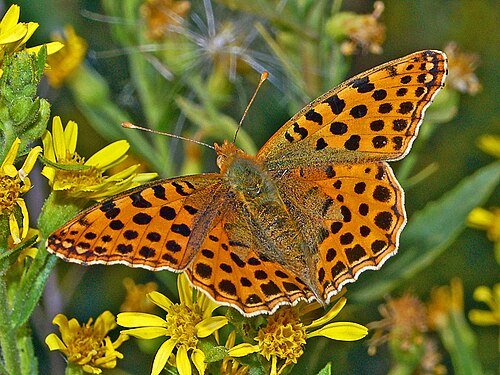
Issoria lathonia
FotoPhoto: Hectonichus, CC BY-SA 4.0, originaleoriginal

LatoniaQueen of Spain Fritillary

Queen of Spain Fritillary

Latonia

Issoria lathonia

The Queen of Spain fritillary (Issoria lathonia) is a butterfly of the family Nymphalidae. Wikipedia

The Queen of Spain fritillary (Issoria lathonia) is a butterfly of the family Nymphalidae. Wikipedia

Osservata 136 volte entro 10 km.Observed 136 times within 10 km.

Mesi migliori: aprile–luglio.Best months: April–July.

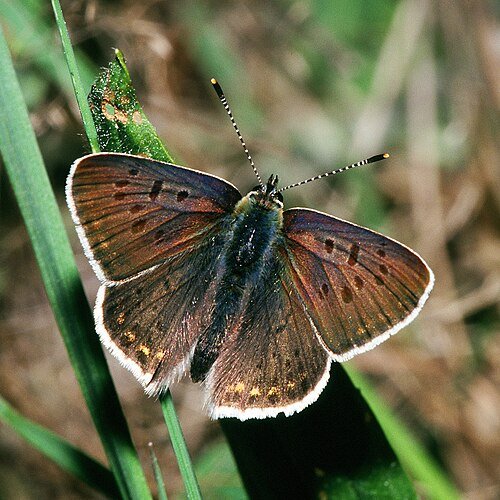
Lycaena tityrus
FotoPhoto: Olei, CC BY-SA 3.0, originaleoriginal

TitiroSooty Copper

Sooty Copper

Titiro

Lycaena tityrus

Lycaena tityrus, the sooty copper, is a butterfly of the family Lycaenidae. It is found in Europe. Wikipedia

Lycaena tityrus, the sooty copper, is a butterfly of the family Lycaenidae. It is found in Europe. Wikipedia

Osservata 126 volte entro 10 km.Observed 126 times within 10 km.

Mesi migliori: aprile, giugno, agosto–settembre.Best months: April, June, August–September.

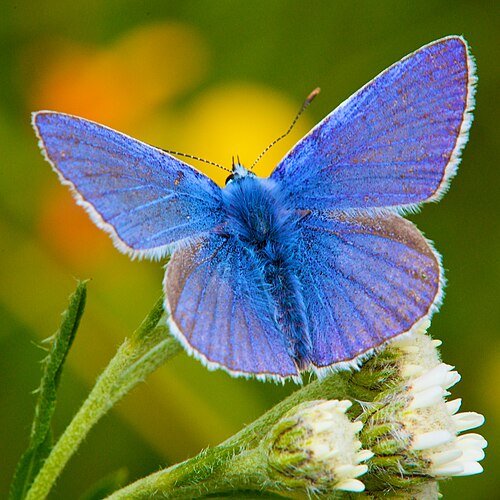
Polyommatus icarus
FotoPhoto: Ernst Vikne, CC BY-SA 2.0, originaleoriginal

IcaroCommon Blue

Common Blue

Icaro

Polyommatus icarus

L'icaro o argo azzurro (Polyommatus icarus (Rottemburg, 1775)) è un lepidottero appartenente alla famiglia Lycaenidae, diffuso in Eurasia e Nordafrica. Wikipedia

The common blue butterfly or European common blue (Polyommatus icarus) is a butterfly in the family Lycaenidae and subfamily Polyommatinae. The butterfly is found throughout the Palearctic and has been introduced to North America. Wikipedia

Osservata 115 volte entro 10 km.Observed 115 times within 10 km.

Mesi migliori: agosto–settembre.Best months: August–September.

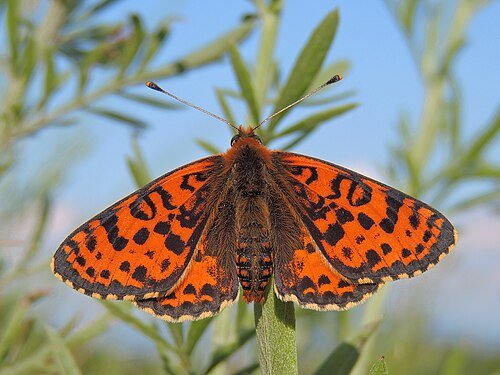
Melitaea didyma
FotoPhoto: xulescu_g, CC BY-SA 2.0, originaleoriginal

DidimaSpotted Fritillary

Spotted Fritillary

Didima

Melitaea didyma

Melitaea didyma (Esper, 1778) è un lepidottero appartenente alla famiglia Nymphalidae, diffuso in Eurasia e Nordafrica. Wikipedia

Melitaea didyma, the spotted fritillary or red-band fritillary, is a Palearctic butterfly of the family Nymphalidae. Wikipedia

Osservata 100 volte entro 10 km.Observed 100 times within 10 km.

Mesi migliori: aprile–maggio, luglio–agosto.Best months: April–May, July–August.

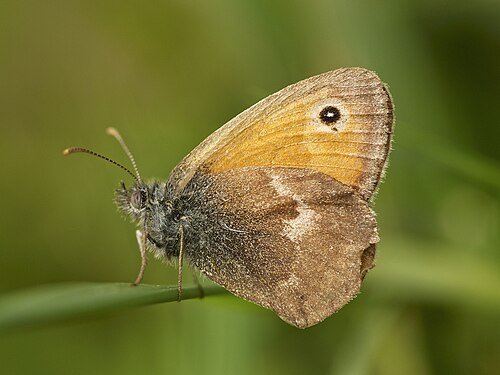
Coenonympha pamphilus
FotoPhoto: Jörg Hempel, CC BY-SA 3.0 de, originaleoriginal

Ninfa minoreSmall Heath

Small Heath

Ninfa minore

Coenonympha pamphilus

La ninfa minore o panfila (Coenonympha pamphilus (Linnaeus, 1758)) è un lepidottero diurno, appartenente alla famiglia Nymphalidae, diffuso in Eurasia e Nordafrica. Wikipedia

The small heath (Coenonympha pamphilus) is a butterfly species belonging to the family Nymphalidae, classified within the subfamily Satyrinae (commonly known as "the browns"). It is the smallest butterfly in this subfamily. Wikipedia

Osservata 81 volte entro 10 km.Observed 81 times within 10 km.

Mesi migliori: maggio–luglio, settembre.Best months: May–July, September.

AracnidiArachnids4 specie4 species

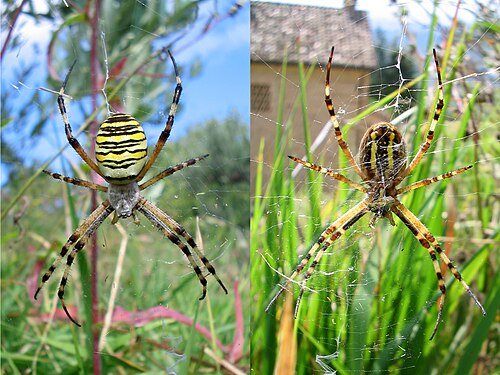
Argiope bruennichi
FotoPhoto: A7N8X, CC BY-SA 4.0, originaleoriginal

Ragno vespaWasp Spider

Wasp Spider

Ragno vespa

Argiope bruennichi

Il ragno vespa (Argiope bruennichi (Scopoli, 1772)) è una specie di ragno, così denominato per la colorazione dell'addome giallo e nera simile alla colorazione delle vespe. Viene anche chiamato comunemente ragno tigre, epeira fasciata, ragno zebra o argiope fasciata. Wikipedia

Argiope bruennichi, commonly known as the wasp spider, is a species of orb-weaver spider found across Central and Northern Europe, several regions of Asia and Africa and the Azores. Like many other members of the same genus Argiope, this species has distinctive yellow, white and black markings on its abdomen. Wikipedia

Osservata 3 volte entro 10 km.Observed 3 times within 10 km.

Vista in: luglio (2), settembre (1).Seen in: July (2), September (1).

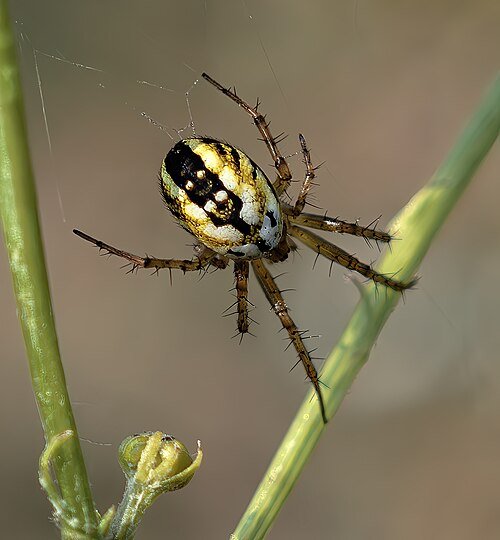
Mangora acalypha
FotoPhoto: Didier Descouens, CC BY-SA 4.0, originaleoriginal

Ragno mazza da cricketCricket-bat Orbweaver

Cricket-bat Orbweaver

Ragno mazza da cricket

Mangora acalypha

Mangora acalypha (Walckenaer, 1802), conosciuta anche con il nome comune di ragno tessitore di mazze da cricket, è una specie di ragno della famiglia Araneidae, presente in tutto il regno paleartico. Questa specie fu originariamente descritta da Charles Athanase Walckenaer nel 1802 come Aranea acalypha. Wikipedia

Mangora acalypha, also known by its common name cricket-bat orbweaver, is a species of spider in the family Araneidae, found throughout the Palearctic realm. This species was originally described by Charles Athanase Walckenaer in 1802 as Aranea acalypha. Wikipedia

Osservata 2 volte entro 10 km.Observed 2 times within 10 km.

Vista in: maggio (1), novembre (1).Seen in: May (1), November (1).

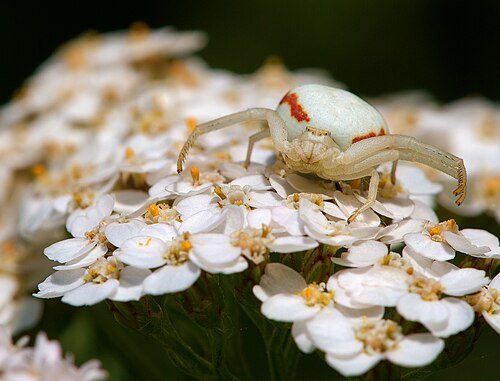
Misumena vatia
FotoPhoto: Luc Viatour, CC BY-SA 3.0, originaleoriginal

Goldenrod Crab Spider

Misumena vatia

Misumena vatia Clerck, 1757 è una specie di ragno della famiglia thomisidae. Esso viene comunemente chiamato ragno granchio. Wikipedia

Misumena vatia is a species of crab spider found in Europe and North America. In North America, it is called the goldenrod crab spider or flower (crab) spider, as it is commonly found hunting in goldenrod sprays and milkweed plants. Wikipedia

Osservata 2 volte entro 10 km.Observed 2 times within 10 km.

Vista in: luglio (1), agosto (1).Seen in: July (1), August (1).

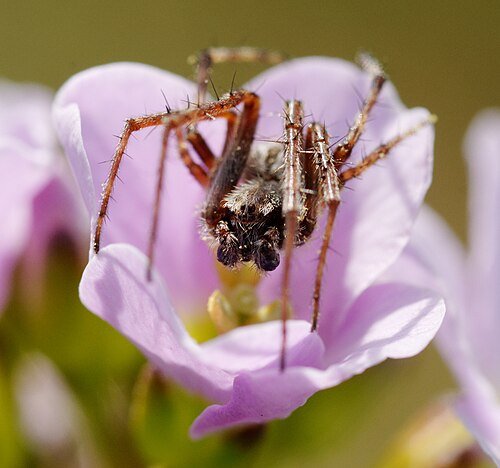
Agalenatea redii
FotoPhoto: Thomas Bresson, CC BY 3.0, originaleoriginal

Gorse Orbweaver

Agalenatea redii

Agalenatea redii (Scopoli, 1763) è un ragno appartenente alla famiglia degli Araneidi. Wikipedia

Agalenatea redii is a species of 'orbweavers' belonging to the family Araneidae subfamily Araneinae. Wikipedia

Osservata 1 volta entro 10 km.Observed once within 10 km.

Vista in: aprile (1).Seen in: April (1).

Altri animaliOther animals1 specie1 species

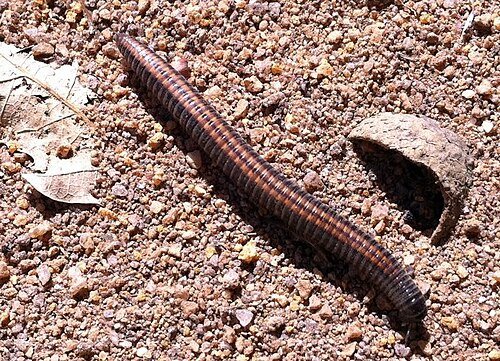
Ommatoiulus sabulosus
FotoPhoto: Abrahami, CC BY-SA 3.0, originaleoriginal

Millepiedi a strisceStriped Millipede

Striped Millipede

Millepiedi a strisce

Ommatoiulus sabulosus

Ommatoiulus sabulosus, also known as the striped millipede, is a European millipede of the family Julidae. Its common name comes from its two striking bright longitudinal bands on the dorsal surface. O. sabulosus is widespread and common in Central Europe and on the British Isles. Wikipedia

Ommatoiulus sabulosus, also known as the striped millipede, is a European millipede of the family Julidae. Its common name comes from its two striking bright longitudinal bands on the dorsal surface. O. sabulosus is widespread and common in Central Europe and on the British Isles. Wikipedia

Osservata 4 volte entro 10 km.Observed 4 times within 10 km.

Vista in: marzo (1), aprile (1), maggio (1), ottobre (1).Seen in: March (1), April (1), May (1), October (1).

Il librettoThe booklet

Tutte le specie di questa pagina, due per foglio, da salvare sul telefono o da stampare.Every species on this page, two per sheet, to save on your phone or print.

Scarica il libretto (PDF)Download the booklet (PDF)

Per i bambini: la caccia al tesoro della natura, nove animali da cercare durante il soggiorno.For children: the nature treasure hunt, nine animals to look for during your stay.

Scarica la caccia al tesoro (PDF)Download the treasure hunt (PDF)