Hai una struttura ricettiva a Subiaco? Questa pagina può portare il suo nome, con poster e QR per i tuoi ospiti.

Guarda la tua anteprima

Subiaco

Gli animali osservati nei dintorniWildlife observed nearby

Osservazioni delle 30 specie di questa pagina entro 25 km, mese per mese.Observations of the 30 species on this page within 25 km, month by month.

30 specie animali osservate entro 25 km da Subiaco, un po' per ogni gruppo, con i mesi in cui sono state viste. Vengono da 687 osservazioni pubbliche di 23 persone su iNaturalist, aggiornate al 16 novembre 2026. Dicono dove le persone hanno visto e fotografato un animale, non garantiscono avvistamenti.30 animal species observed within 25 km of Subiaco, a few from each group, with the months they were seen. They come from 687 public observations by 23 people on iNaturalist, updated on 16 November 2026. They show where people have seen and photographed an animal; they do not guarantee sightings.

UccelliBirds10 specie10 species

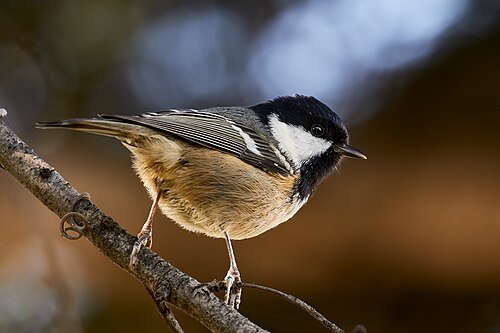
Periparus ater
FotoPhoto: Pierluigivinci, CC BY-SA 4.0, originaleoriginal

Cincia moraCoal Tit

Coal Tit

Cincia mora

Periparus ater

La Cincia mora (Periparus ater (Linnaeus, 1758)) è un uccello della famiglia delle cince (Paridae). Wikipedia

The coal tit (Periparus ater) is a passerine bird in the tit family, Paridae. It is a widespread and common resident breeder in forests throughout the temperate to subtropical Palearctic, including North Africa. The black-crested tit is now included in this species. Wikipedia

Osservata 4 volte entro 25 km.Observed 4 times within 25 km.

Vista in: gennaio (1), febbraio (1), marzo (1), dicembre (1).Seen in: January (1), February (1), March (1), December (1).
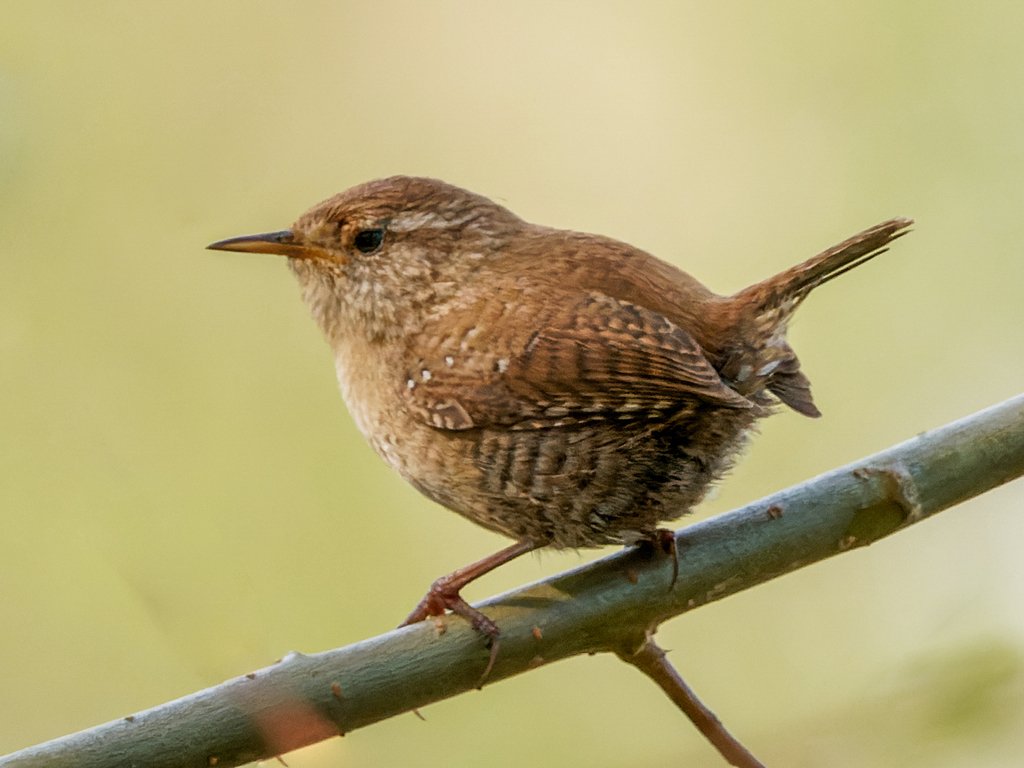
Cyanistes caeruleus
FotoPhoto: Dion Art, CC BY-SA 4.0, originaleoriginal

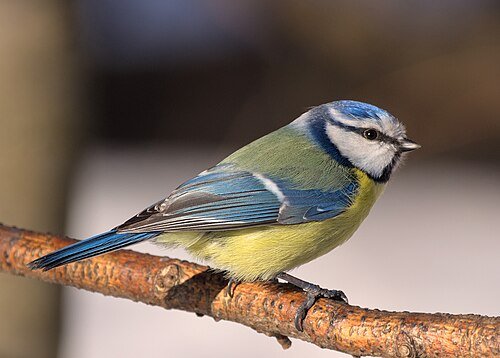
CinciarellaEurasian Blue Tit

Eurasian Blue Tit

Cinciarella

Cyanistes caeruleus

La cinciarella (Cyanistes caeruleus (Linnaeus, 1758)) è un uccello passeriforme appartenente alla famiglia dei Paridi. Wikipedia

The Eurasian blue tit (Cyanistes caeruleus) is a small passerine bird in the tit family, Paridae. It is easily recognised by its blue and yellow plumage and small size. The Eurasian blue tit is a widespread and common resident breeder throughout temperate and subarctic Europe and parts of western Asia. Wikipedia

Osservata 3 volte entro 25 km.Observed 3 times within 25 km.

Vista in: febbraio (1), maggio (1), dicembre (1).Seen in: February (1), May (1), December (1).
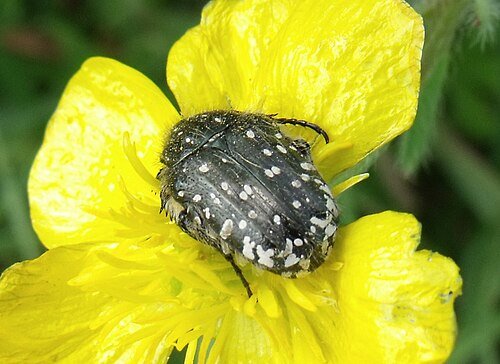
Nannus troglodytes
FotoPhoto: William Stephens, CC BY 4.0, originaleoriginal

Scricciolo comuneEurasian Wren

Eurasian Wren

Scricciolo comune

Nannus troglodytes

The Eurasian wren (Nannus troglodytes) is a very small insectivorous bird and the only member of the wren family found in the Old World, specifically in Eurasia and Africa (Maghreb). In Anglophone Europe, it is commonly known simply as the wren. Wikipedia

The Eurasian wren (Nannus troglodytes) is a very small insectivorous bird and the only member of the wren family found in the Old World, specifically in Eurasia and Africa (Maghreb). In Anglophone Europe, it is commonly known simply as the wren. Wikipedia

Osservata 3 volte entro 25 km.Observed 3 times within 25 km.

Vista in: maggio (1), giugno (1), ottobre (1).Seen in: May (1), June (1), October (1).

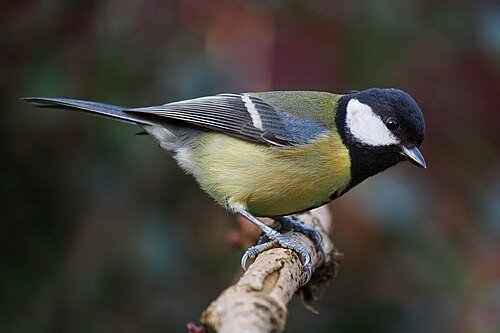
Parus major
FotoPhoto: Francis Franklin, CC BY-SA 4.0, originaleoriginal

CinciallegraGreat Tit

Great Tit

Cinciallegra

Parus major

La cinciallegra (Parus major Linnaeus, 1758) è un uccello passeriforme appartenente alla famiglia dei Paridi. Wikipedia

The great tit (Parus major) is a small passerine bird in the tit family Paridae. It is widespread and common throughout Europe, the Middle East, Central Asia and as far east as the Amur River. It also occurs in parts of North Africa where it is generally resident in any sort of woodland. Wikipedia

Osservata 3 volte entro 25 km.Observed 3 times within 25 km.

Vista in: aprile (1), maggio (1), dicembre (1).Seen in: April (1), May (1), December (1).
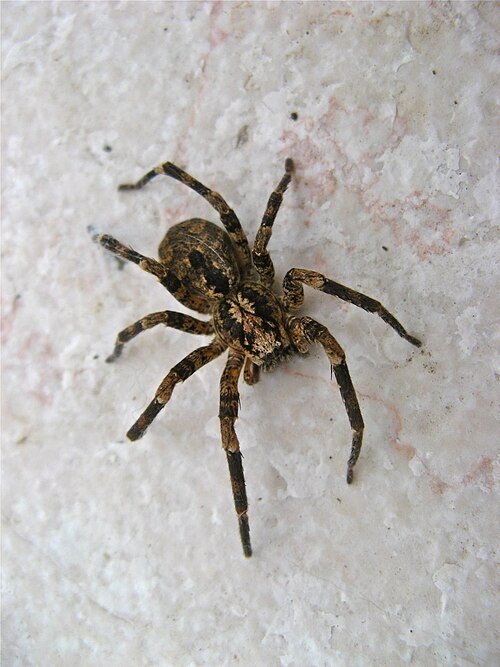
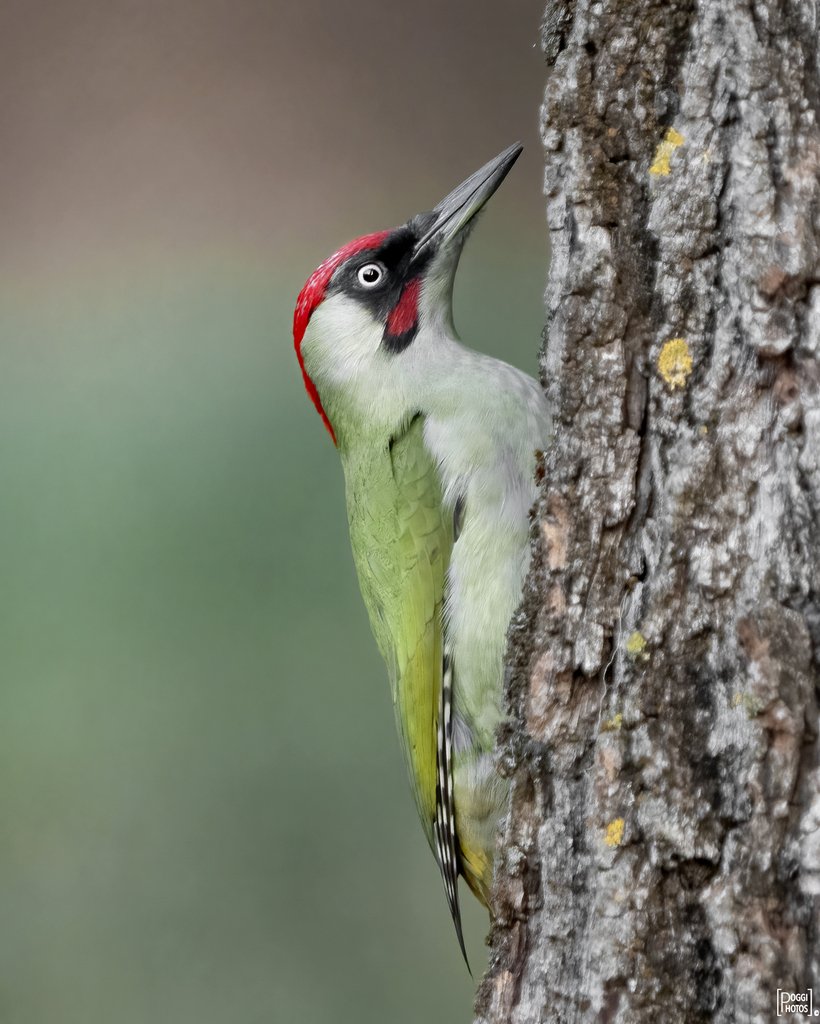
Picus viridis
FotoPhoto: Andrea Poggi, CC BY 4.0, originaleoriginal

Picchio verdeEurasian Green Woodpecker

Eurasian Green Woodpecker

Picchio verde

Picus viridis

Il picchio verde (Picus viridis, Linneo 1758) è un uccello della famiglia dei Picidae, diffuso in Eurasia. Wikipedia

The Eurasian green woodpecker (Picus viridis), also known as the yaffle and sometimes called a nickle, is a large green woodpecker with a bright red crown and a black moustache. Males have a red centre to the moustache stripe which is absent in females. Wikipedia

Osservata 3 volte entro 25 km.Observed 3 times within 25 km.

Vista in: agosto (2), ottobre (1).Seen in: August (2), October (1).

CodibugnoloLong-tailed Tit

Long-tailed Tit

Codibugnolo

Aegithalos caudatus

Il codibùgnolo (Aegithalos caudatus (Linnaeus, 1758)) è un uccello passeriforme della famiglia Aegithalidae. Wikipedia

The long-tailed tit or long-tailed bushtit (Aegithalos caudatus) is a common bird species belonging to the bushtit family found throughout Eurasia. An insectivore, it inhabits deciduous and mixed woodlands as well as scrub, heathland, farmland, parks and gardens. Wikipedia

Osservata 2 volte entro 25 km.Observed 2 times within 25 km.

Vista in: maggio (1), novembre (1).Seen in: May (1), November (1).

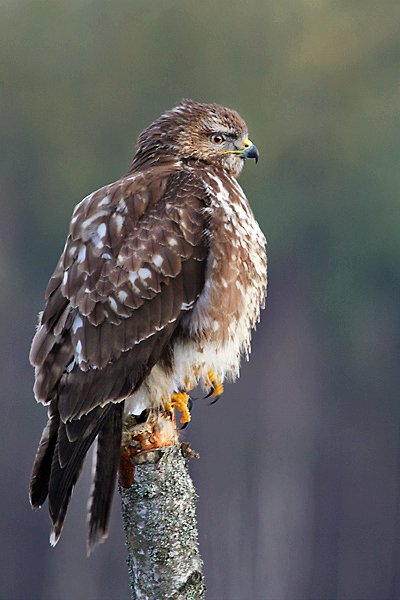
Buteo buteo
FotoPhoto: Marek Szczepanek, CC BY-SA 3.0, originaleoriginal

Poiana comuneCommon Buzzard

Common Buzzard

Poiana comune

Buteo buteo

La poiana comune (Buteo buteo Linnaeus, 1758), detta anche bozzago, bozzagro, bozzegro, buzzago, buzzagro o abuzzago, è un uccello rapace della famiglia Accipitridae. Il suo areale copre la maggior parte dell'Europa e si estende in Asia. Vive in tutte le zone tranne che in quelle più fredde. Wikipedia

The common buzzard (Buteo buteo) is a medium-sized bird of prey with a large range. It is a member of the genus Buteo in the family Accipitridae. Wikipedia

Osservata 2 volte entro 25 km.Observed 2 times within 25 km.

Vista in: maggio (1), agosto (1).Seen in: May (1), August (1).

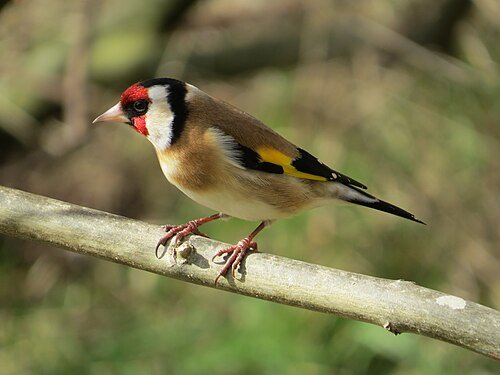
Carduelis carduelis
FotoPhoto: MPF, CC BY-SA 3.0, originaleoriginal

CardellinoEuropean Goldfinch

European Goldfinch

Cardellino

Carduelis carduelis

Il cardellino (Carduelis carduelis Linnaeus, 1758) è un uccello passeriforme appartenente alla famiglia dei Fringillidi. Wikipedia

The European goldfinch, or simply goldfinch (Carduelis carduelis), is a small passerine bird in the finch family that is native to the Palearctic zone in Europe, northern Africa, and western Asia. It has been introduced to other areas, including Australia, New Zealand, Uruguay and the United States. Wikipedia

Osservata 2 volte entro 25 km.Observed 2 times within 25 km.

Vista in: aprile (1), maggio (1).Seen in: April (1), May (1).

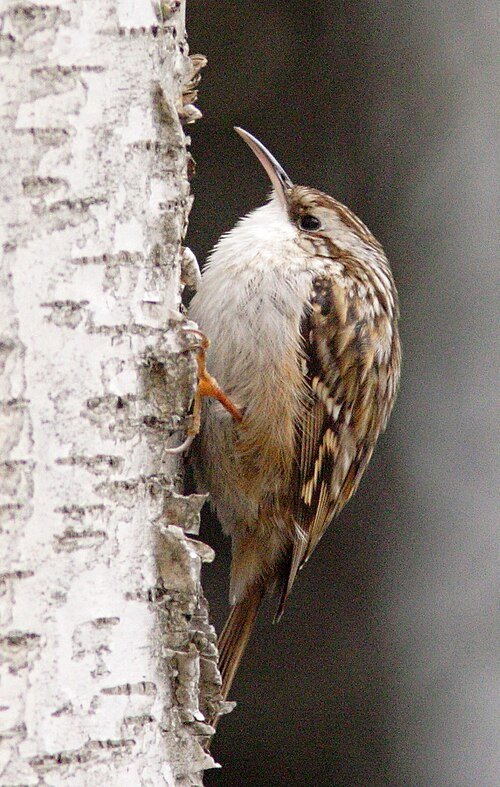
Certhia brachydactyla
FotoPhoto: derivative work: Jimfbleak (talk) Short-toed_Treecreeper_(Certhia_brachydactyla).jpg: א (Aleph), CC BY-SA 2.5, originaleoriginal

RampichinoShort-toed Treecreeper

Short-toed Treecreeper

Rampichino

Certhia brachydactyla

Il rampichino comune (Certhia brachydactyla Brehm, 1820) è un uccello passeriforme della famiglia Certhiidae. Wikipedia

The short-toed treecreeper (Certhia brachydactyla) is a small passerine bird found in woodlands through much of the warmer regions of Europe and into north Africa. Wikipedia

Osservata 2 volte entro 25 km.Observed 2 times within 25 km.

Vista in: aprile (1), luglio (1).Seen in: April (1), July (1).

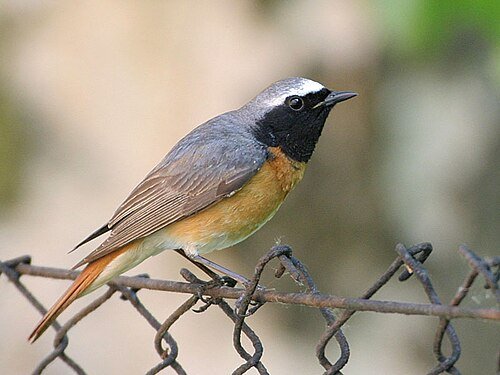
Phoenicurus phoenicurus
FotoPhoto: Thomas Kraft (ThKraft), CC BY-SA 2.5, originaleoriginal

Codirosso comuneCommon Redstart

Common Redstart

Codirosso comune

Phoenicurus phoenicurus

Il codirosso (Phoenicurus phoenicurus (Linnaeus, 1758)) è un piccolo uccello passeriforme in passato classificato nella famiglia dei Turdidi, attualmente attribuito alla famiglia Muscicapidae. Wikipedia

The common redstart (Phoenicurus phoenicurus), or often simply redstart, is a small passerine bird in the genus Phoenicurus. Like its relatives, it was formerly classed as a member of the thrush family, (Turdidae), but is now known to be an Old World flycatcher (family Muscicapidae). Wikipedia

Osservata 2 volte entro 25 km.Observed 2 times within 25 km.

Vista in: marzo (1), giugno (1).Seen in: March (1), June (1).

MammiferiMammals5 specie5 species

Volpe rossaRed Fox

Red Fox

Volpe rossa

Vulpes vulpes

La volpe rossa, o semplicemente volpe (Vulpes vulpes Linnaeus, 1758), è la più grande delle volpi propriamente dette e il carnivoro con l'areale più vasto, essendo presente in tutto l'emisfero boreale, dal circolo polare artico al Nord Africa, il Nord America e l'Eurasia. Wikipedia

The red fox (Vulpes vulpes) is the largest of the true foxes, and the most widely distributed member of the order Carnivora. It is present across the entire Northern Hemisphere, including most of Europe, Asia, and North America, as well as parts of North Africa. Wikipedia

Osservata 3 volte entro 25 km.Observed 3 times within 25 km.

Vista in: giugno (1), luglio (1), dicembre (1).Seen in: June (1), July (1), December (1).
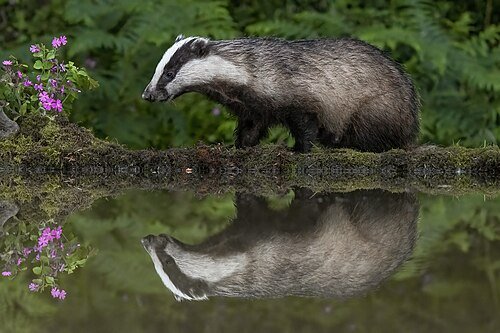
Meles meles
FotoPhoto: caroline legg, CC BY 2.0, originaleoriginal

Tasso europeoEuropean Badger

European Badger

Tasso europeo

Meles meles

Il tasso comune (Meles meles Linnaeus, 1758), noto anche come tasso eurasiatico o tasso europeo, è una specie di mammifero carnivoro appartenente alla famiglia Mustelidae. Wikipedia

The European badger (Meles meles), also known as the Eurasian badger, is a species of badger in the family Mustelidae native to Europe and West Asia and parts of Central Asia. Wikipedia

Osservata 2 volte entro 25 km.Observed 2 times within 25 km.

Vista in: ottobre (2).Seen in: October (2).

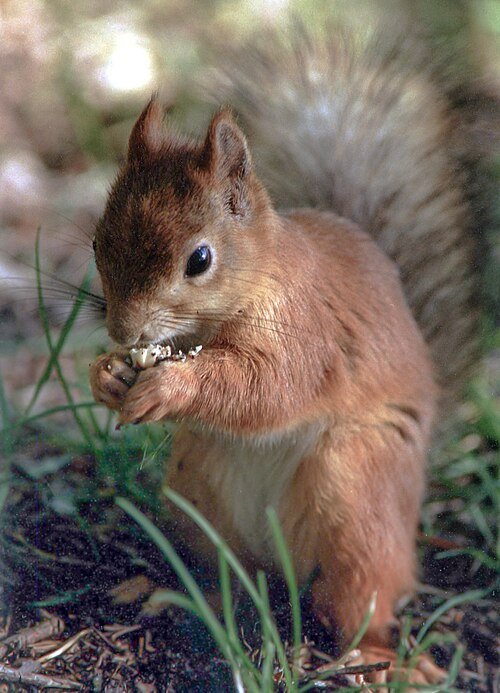
Sciurus vulgaris
FotoPhoto: Toivo Toivanen & Tiina Toppila, Public domain, originaleoriginal

Scoiattolo rossoEurasian Red Squirrel

Eurasian Red Squirrel

Scoiattolo rosso

Sciurus vulgaris

Lo scoiattolo rosso (Sciurus vulgaris Linnaeus, 1758) è un mammifero che appartiene alla famiglia degli Sciuridae, dell'ordine dei Roditori, della classe dei Mammiferi. Wikipedia

The red squirrel (Sciurus vulgaris), also called Eurasian red squirrel, is a species of tree squirrel in the genus Sciurus. It is an arboreal and primarily herbivorous rodent and common throughout Eurasia. Wikipedia

Osservata 2 volte entro 25 km.Observed 2 times within 25 km.

Vista in: maggio (2).Seen in: May (2).

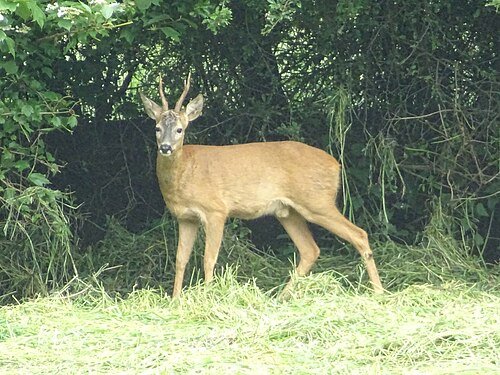
Capreolus capreolus
FotoPhoto: Karbohut, CC BY-SA 4.0, originaleoriginal

CaprioloWestern Roe Deer

Western Roe Deer

Capriolo

Capreolus capreolus

Il capriolo eurasiatico (Capreolus capreolus, Linnaeus, 1758) è un ungulato diffuso in Eurasia. Wikipedia

The roe deer (Capreolus capreolus), also known as the roe, western roe deer, or European roe, is a species of deer. The male of the species is sometimes referred to as a roebuck. The roe is a small deer, reddish and grey-brown, and well-adapted to cold environments. Wikipedia

Osservata 1 volta entro 25 km.Observed once within 25 km.

Vista in: agosto (1).Seen in: August (1).

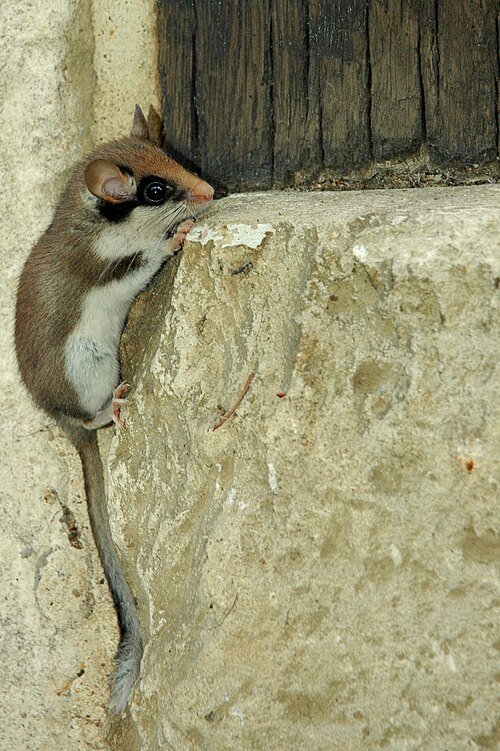
Eliomys quercinus
FotoPhoto: Arno Laurent, CC BY-SA 3.0, originaleoriginal

QuercinoEuropean Garden Dormouse

European Garden Dormouse

Quercino

Eliomys quercinus

Il quercino (Eliomys quercinus Linnaeus, 1766) è un roditore della famiglia dei Gliridae che vive prevalentemente in Europa. Wikipedia

The garden dormouse (Eliomys quercinus) is a species of dormouse native to Europe. Wikipedia

Osservata 1 volta entro 25 km.Observed once within 25 km.

Vista in: agosto (1).Seen in: August (1).

RettiliReptiles3 specie3 species

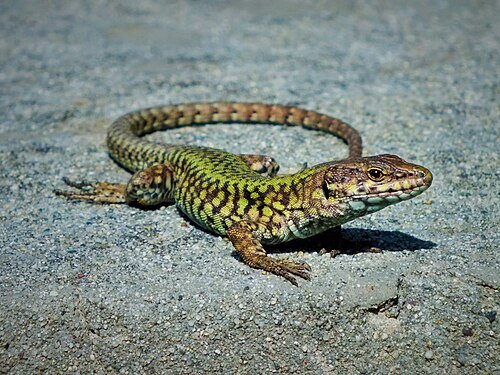
Podarcis muralis
FotoPhoto: Mariomassone, CC BY-SA 4.0, originaleoriginal

Lucertola muraiolaCommon Wall Lizard

Common Wall Lizard

Lucertola muraiola

Podarcis muralis

La lucertola muraiola (Podarcis muralis Laurenti, 1768), nota anche come lucertola dei muri, lucertola delle muraglie, lucertola murale o semplicemente muraiola, è un rettile appartenente alla famiglia Lacertidae. Wikipedia

The common wall lizard (Podarcis muralis) is a species of lizard with a large distribution in Europe and well-established introduced populations in North America, where it is also called the European wall lizard. It can grow to about 20 cm (7.9 in) in total length. Wikipedia

Osservata 7 volte entro 25 km.Observed 7 times within 25 km.

Mesi migliori: giugno, ottobre.Best months: June, October.

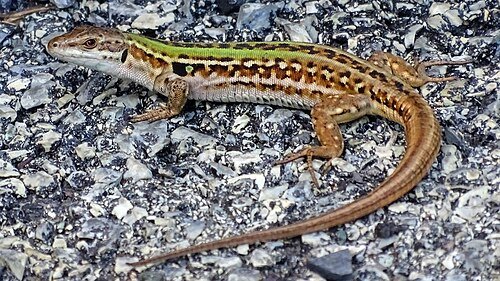
Podarcis siculus
FotoPhoto: Mariomassone, CC BY-SA 4.0, originaleoriginal

Lucertola campestreItalian Wall Lizard

Italian Wall Lizard

Lucertola campestre

Podarcis siculus

La lucertola campestre (Podarcis siculus Rafinesque, 1810) è un rettile della famiglia Lacertidae. È uno dei sauri più diffusi in Italia. Wikipedia

The Italian wall lizard or ruin lizard (Podarcis siculus, from the Greek meaning foot and agile), is a species of lizard in the family Lacertidae. Wikipedia

Osservata 7 volte entro 25 km.Observed 7 times within 25 km.

Mesi migliori: aprile.Best months: April.

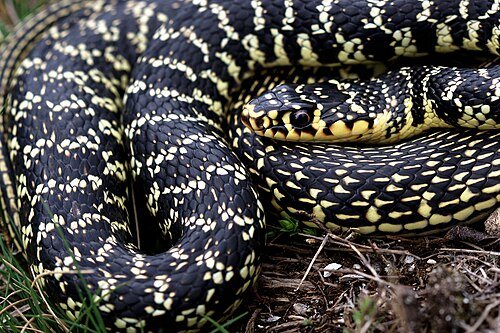
Hierophis viridiflavus
FotoPhoto: FelixReimann, CC BY-SA 3.0, originaleoriginal

BiaccoGreen Whip Snake

Green Whip Snake

Biacco

Hierophis viridiflavus

Il biacco (Hierophis viridiflavus (Lacépède, 1789)), precedentemente classificato come Coluber viridiflavus, è un serpente non velenoso per l'uomo della famiglia dei Colubridi, frequente nelle campagne e nei giardini, sia in terreni rocciosi, secchi e soleggiati, sia in luoghi più umidi come le praterie e le rive dei… Wikipedia

The green whip snake or western whip snake (Hierophis viridiflavus) is a species of snake in the family Colubridae. Wikipedia

Osservata 4 volte entro 25 km.Observed 4 times within 25 km.

Vista in: giugno (1), luglio (1), agosto (2).Seen in: June (1), July (1), August (2).

AnfibiAmphibians1 specie1 species

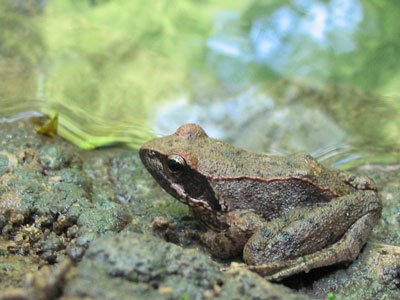
Rana italica
FotoPhoto: Astolinto, CC BY 3.0, originaleoriginal

Rana appenninicaItalian Stream Frog

Italian Stream Frog

Rana appenninica

Rana italica

La rana appenninica (Rana italica Dubois, 1987) è un anfibio anuro della famiglia Ranidae, endemica dell'Italia. Wikipedia

The Italian stream frog (Rana italica), also called the Italian frog, is a species of frog in the family Ranidae. The species is endemic to Italy and San Marino. Wikipedia

Osservata 7 volte entro 25 km.Observed 7 times within 25 km.

Mesi migliori: aprile, agosto–settembre.Best months: April, August–September.

InsettiInsects6 specie6 species

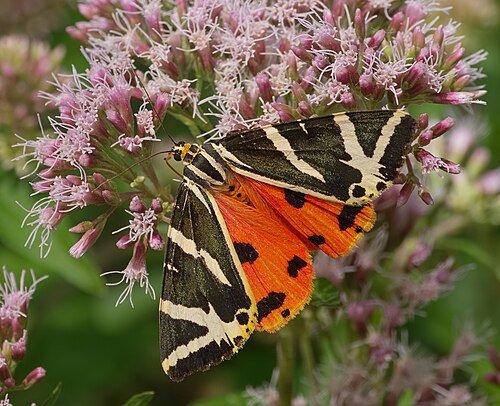
Euplagia quadripunctaria
FotoPhoto: Andreas Eichler, CC BY-SA 4.0, originaleoriginal

Falena dell'ederaJersey Tiger

Jersey Tiger

Falena dell'edera

Euplagia quadripunctaria

La falena dell'edera (Euplagia quadripunctaria (Poda, 1761)) è un lepidottero appartenente alla famiglia Erebidae, diffuso in Eurasia. Wikipedia

Euplagia quadripunctaria, the Jersey tiger, or Spanish flag, is a diurnal moth of the family Erebidae. The species was first described by Nikolaus Poda von Neuhaus in 1761. The adult wingspan is 52–65 millimetres (2.0–2.6 in), and they fly from July to September, depending on the location. Wikipedia

Osservata 8 volte entro 25 km.Observed 8 times within 25 km.

Mesi migliori: luglio–settembre.Best months: July–September.

Bombice della querciaOak Eggar

Oak Eggar

Bombice della quercia

Lasiocampa quercus

Il bombice della quercia (Lasiocampa quercus (Linnaeus, 1758)) è un lepidottero appartenente alla famiglia Lasiocampidae, diffuso in Eurasia. Si nutre di una varietà di specie vegetali, tra cui il mirtillo e può svilupparsi nell'arco di due anni a latitudini elevate. Wikipedia

The oak eggar (Lasiocampa quercus) is a common moth of the family Lasiocampidae found in Europe and northern and western parts of Asia. It feeds on a variety of plant species (mainly heather and bilberry), and may develop over two years in higher latitudes, where it may be known as the northern eggar. Wikipedia

Osservata 8 volte entro 25 km.Observed 8 times within 25 km.

Mesi migliori: maggio, agosto.Best months: May, August.

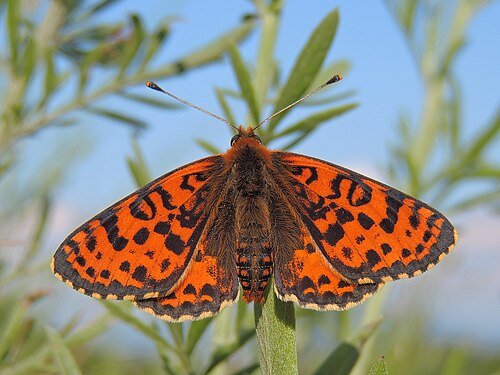
Melitaea didyma
FotoPhoto: xulescu_g, CC BY-SA 2.0, originaleoriginal

DidimaSpotted Fritillary

Spotted Fritillary

Didima

Melitaea didyma

Melitaea didyma (Esper, 1778) è un lepidottero appartenente alla famiglia Nymphalidae, diffuso in Eurasia e Nordafrica. Wikipedia

Melitaea didyma, the spotted fritillary or red-band fritillary, is a Palearctic butterfly of the family Nymphalidae. Wikipedia

Osservata 8 volte entro 25 km.Observed 8 times within 25 km.

Mesi migliori: maggio–giugno.Best months: May–June.

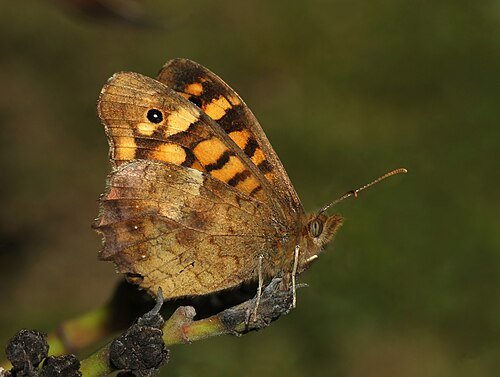
Pararge aegeria
FotoPhoto: Alvesgaspar, CC BY-SA 3.0, originaleoriginal

EgeriaSpeckled Wood

Speckled Wood

Egeria

Pararge aegeria

Pararge aegeria (Linnaeus, 1758) è un lepidottero diurno appartenente alla famiglia Nymphalidae, diffuso in Europa ad esclusione del nord della Scandinavia. Questo insetto è anche presente in Asia Minore, Caucaso, e Nordafrica. Wikipedia

The speckled wood (Pararge aegeria) is a butterfly found in and on the borders of woodland areas throughout much of the Palearctic realm. The species is subdivided into multiple subspecies, including Pararge aegeria aegeria, Pararge aegeria tircis, Pararge aegeria oblita, and Pararge aegeria insula. Wikipedia

Osservata 8 volte entro 25 km.Observed 8 times within 25 km.

Mesi migliori: aprile.Best months: April.

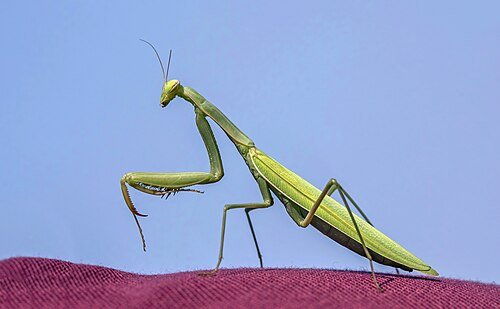
Mantis religiosa
FotoPhoto: Charles J. Sharp, CC BY-SA 4.0, originaleoriginal

Mantide religiosaEuropean Mantis

European Mantis

Mantide religiosa

Mantis religiosa

La mantide religiosa o mantide europea (Mantis religiosa Linnaeus, 1758) è una delle specie più comuni dell'ordine Mantodea. Wikipedia

The European mantis (Mantis religiosa) is a large hemimetabolic insect in the family Mantidae, which is the largest family of the order Mantodea (mantises). Wikipedia

Osservata 7 volte entro 25 km.Observed 7 times within 25 km.

Mesi migliori: agosto.Best months: August.

Oxythyrea funesta
FotoPhoto: Amara aenea, CC BY-SA 4.0, originaleoriginal

CetoniellaMediterranean Spotted Chafer

Mediterranean Spotted Chafer

Cetoniella

Oxythyrea funesta

La cetoniella (Oxythyrea funesta Poda, 1761) è un insetto della famiglia degli Scarabaeidae, sottofamiglia Cetoniinae. Wikipedia

Oxythyrea funesta is a phytophagous beetle species belonging to the family Cetoniidae, subfamily Cetoniinae. Its common name is "white spotted rose beetle". This beetle is present in most of Europe, in the west Palearctic realm, and in the Near East. Wikipedia

Osservata 7 volte entro 25 km.Observed 7 times within 25 km.

Mesi migliori: aprile–giugno.Best months: April–June.

AracnidiArachnids3 specie3 species

Zoropsis spinimana
FotoPhoto: Pottercomuneo, CC BY-SA 3.0, originaleoriginal

Falsa licosaMediterranean Spiny False Wolf Spider

Mediterranean Spiny False Wolf Spider

Falsa licosa

Zoropsis spinimana

La falsa licosa (Zoropsis spinimana Dufour, 1820) è un ragno della famiglia delle Zoropsidae, diffuso principalmente nell'Europa meridionale. È una delle 14 specie viventi del genere Zoropsis, di cui 4 presenti in Italia. Wikipedia

Zoropsis spinimana, also known as Nosferatu spider, is a spider species belonging to the family Zoropsidae. Wikipedia

Osservata 5 volte entro 25 km.Observed 5 times within 25 km.

Mesi migliori: giugno, settembre.Best months: June, September.

Ragno crociatoCross Orbweaver

Cross Orbweaver

Ragno crociato

Araneus diadematus

Araneus diadematus Clerck, 1757, noto comunemente con la denominazione di ragno crociato, è un ragno della famiglia Araneidae. Wikipedia

The spider species Araneus diadematus is commonly called the European garden spider, cross orbweaver, diadem spider, orangie, cross spider, and crowned orb weaver. It is sometimes called the pumpkin spider, although this name is also used for a different species, Araneus marmoreus. Wikipedia

Osservata 4 volte entro 25 km.Observed 4 times within 25 km.

Vista in: agosto (2), settembre (1), novembre (1).Seen in: August (2), September (1), November (1).

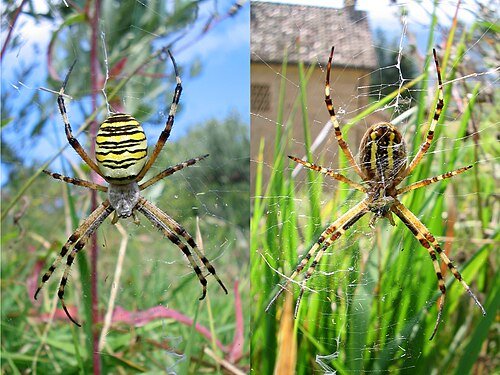
Argiope bruennichi
FotoPhoto: A7N8X, CC BY-SA 4.0, originaleoriginal

Ragno vespaWasp Spider

Wasp Spider

Ragno vespa

Argiope bruennichi

Il ragno vespa (Argiope bruennichi (Scopoli, 1772)) è una specie di ragno, così denominato per la colorazione dell'addome giallo e nera simile alla colorazione delle vespe. Viene anche chiamato comunemente ragno tigre, epeira fasciata, ragno zebra o argiope fasciata. Wikipedia

Argiope bruennichi, commonly known as the wasp spider, is a species of orb-weaver spider found across Central and Northern Europe, several regions of Asia and Africa and the Azores. Like many other members of the same genus Argiope, this species has distinctive yellow, white and black markings on its abdomen. Wikipedia

Osservata 3 volte entro 25 km.Observed 3 times within 25 km.

Vista in: agosto (3).Seen in: August (3).

MolluschiMolluscs1 specie1 species

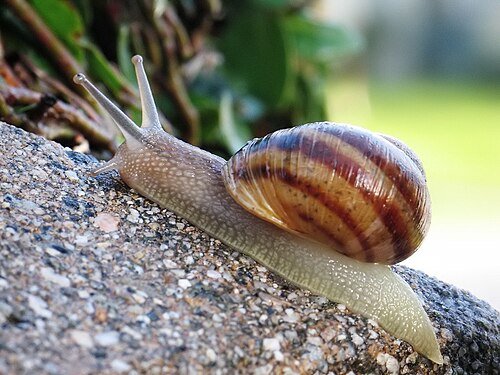
Cornu aspersum
FotoPhoto: macrophile on Flickr, CC BY 2.0, originaleoriginal

Chiocciola zigrinataGarden Snail

Garden Snail

Chiocciola zigrinata

Cornu aspersum

Cornu aspersum (Müller, 1774) è un mollusco gasteropode terrestre della famiglia Helicidae. Wikipedia

Cornu aspersum (syn. Helix aspersa, Cryptomphalus aspersus), known by the common name garden snail, is a species of land snail in the family Helicidae, which includes some of the most familiar land snails. Of all terrestrial molluscs, this species may be the most widely known. Wikipedia

Osservata 4 volte entro 25 km.Observed 4 times within 25 km.

Vista in: febbraio (1), maggio (1), giugno (1), dicembre (1).Seen in: February (1), May (1), June (1), December (1).
Altri animaliOther animals1 specie1 species

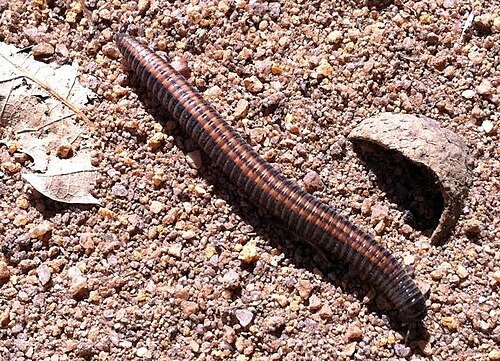
Ommatoiulus sabulosus
FotoPhoto: Abrahami, CC BY-SA 3.0, originaleoriginal

Millepiedi a strisceStriped Millipede

Striped Millipede

Millepiedi a strisce

Ommatoiulus sabulosus

Ommatoiulus sabulosus, also known as the striped millipede, is a European millipede of the family Julidae. Its common name comes from its two striking bright longitudinal bands on the dorsal surface. O. sabulosus is widespread and common in Central Europe and on the British Isles. Wikipedia

Ommatoiulus sabulosus, also known as the striped millipede, is a European millipede of the family Julidae. Its common name comes from its two striking bright longitudinal bands on the dorsal surface. O. sabulosus is widespread and common in Central Europe and on the British Isles. Wikipedia

Osservata 5 volte entro 25 km.Observed 5 times within 25 km.

Mesi migliori: marzo.Best months: March.

Per chi ospita

Gestisci un agriturismo, un B&B, un campeggio o un rifugio a Subiaco o nei dintorni? Con il Kit Natura questa pagina prende il nome della tua struttura e i dati del punto esatto in cui si trova, e ricevi poster con QR, cartoncino da tavolo, libretto e caccia al tesoro per i bambini. L'anteprima è gratuita e pronta in un minuto.

Guarda l'anteprima della tua struttura