Hai una struttura ricettiva a Livigno? Questa pagina può portare il suo nome, con poster e QR per i tuoi ospiti.

Guarda la tua anteprima

Livigno

Gli animali osservati nei dintorniWildlife observed nearby

Osservazioni delle 30 specie di questa pagina entro 25 km, mese per mese.Observations of the 30 species on this page within 25 km, month by month.

30 specie animali osservate entro 25 km da Livigno, un po' per ogni gruppo, con i mesi in cui sono state viste. Vengono da 1.780 osservazioni pubbliche di 89 persone su iNaturalist, aggiornate al 14 novembre 2026. Dicono dove le persone hanno visto e fotografato un animale, non garantiscono avvistamenti.30 animal species observed within 25 km of Livigno, a few from each group, with the months they were seen. They come from 1,780 public observations by 89 people on iNaturalist, updated on 14 November 2026. They show where people have seen and photographed an animal; they do not guarantee sightings.

UccelliBirds10 specie10 species

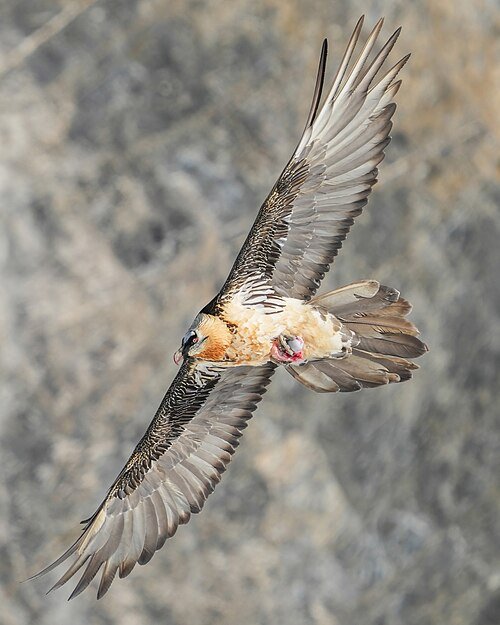
Gypaetus barbatus
FotoPhoto: Giles Laurent, CC BY-SA 4.0, originaleoriginal

GipetoBearded Vulture

Bearded Vulture

Gipeto

Gypaetus barbatus

L'avvoltoio barbuto (Gypaetus barbatus Linnaeus, 1758) è un uccello rapace della famiglia Accipitridae, unica specie del genere Gypaetus Storr, 1784. Comunemente noto come gipeto o avvoltoio degli agnelli, è l'avvoltoio di maggiori dimensioni tra quelli nidificanti in Europa. Wikipedia

The bearded vulture (Gypaetus barbatus), also known as the lammergeier and ossifrage, is a very large bird of prey in the monotypic genus Gypaetus. The bearded vulture is the only known vertebrate whose diet consists of 70–90% bone. Wikipedia

Osservata 31 volte entro 25 km.Observed 31 times within 25 km.

Mesi migliori: agosto, ottobre.Best months: August, October.
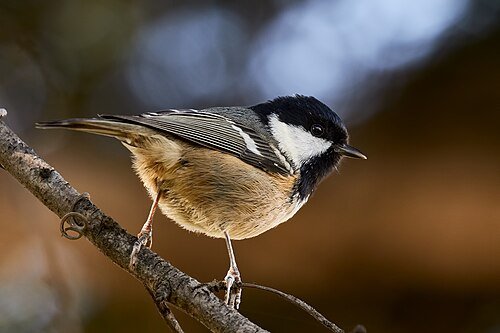
Periparus ater
FotoPhoto: Pierluigivinci, CC BY-SA 4.0, originaleoriginal

Cincia moraCoal Tit

Coal Tit

Cincia mora

Periparus ater

La Cincia mora (Periparus ater (Linnaeus, 1758)) è un uccello della famiglia delle cince (Paridae). Wikipedia

The coal tit (Periparus ater) is a passerine bird in the tit family, Paridae. It is a widespread and common resident breeder in forests throughout the temperate to subtropical Palearctic, including North Africa. The black-crested tit is now included in this species. Wikipedia

Osservata 27 volte entro 25 km.Observed 27 times within 25 km.

Mesi migliori: gennaio–marzo, ottobre.Best months: January–March, October.

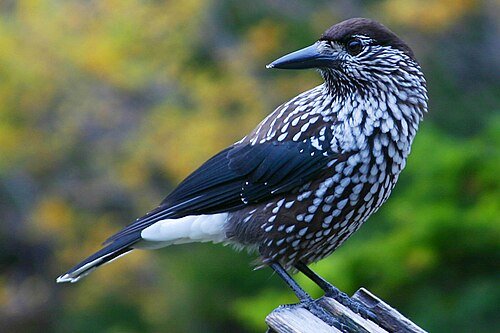
Nucifraga caryocatactes
FotoPhoto: Original author and uploader was MurrayBHenson at en.wikipedia, Public domain, originaleoriginal

NocciolaiaNorthern Nutcracker

Northern Nutcracker

Nocciolaia

Nucifraga caryocatactes

La nocciolaia (Nucifraga caryocatactes (Linnaeus, 1758)) è un uccello Passeriforme della famiglia dei Corvidi. Wikipedia

The northern nutcracker (Nucifraga caryocatactes), previously known as the spotted nutcracker and Eurasian nutcracker, is a passerine bird in the crow family Corvidae. It is slightly smaller than the Eurasian jay but has a much larger bill and a slimmer looking head without any crest. Wikipedia

Osservata 25 volte entro 25 km.Observed 25 times within 25 km.

Mesi migliori: gennaio, agosto, ottobre.Best months: January, August, October.

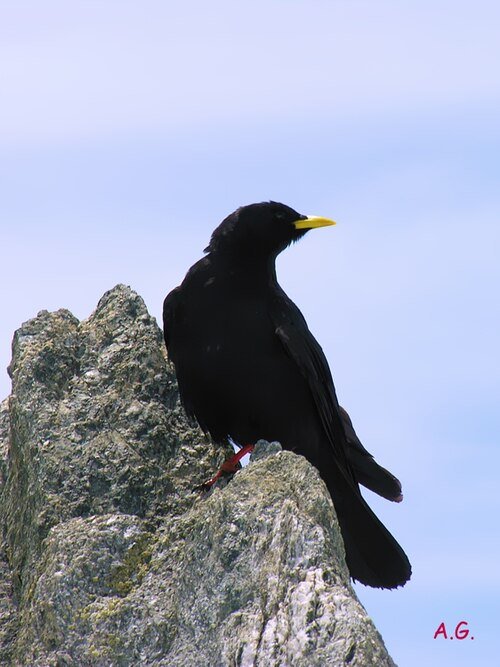
Pyrrhocorax graculus
FotoPhoto: Nostromo-io, Public domain, originaleoriginal

Gracchio alpinoYellow-billed Chough

Yellow-billed Chough

Gracchio alpino

Pyrrhocorax graculus

Il gracchio alpino (Pyrrhocorax graculus (Linnaeus, 1766)) è un uccello passeriforme della famiglia dei Corvidae. Wikipedia

The Alpine chough (chuf) or yellow-billed chough (Pyrrhocorax graculus) is a bird in the crow family, one of only two species in the genus Pyrrhocorax. Wikipedia

Osservata 19 volte entro 25 km.Observed 19 times within 25 km.

Mesi migliori: agosto.Best months: August.

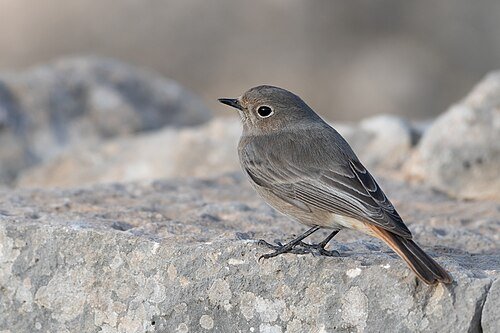
Phoenicurus ochruros
FotoPhoto: El Golli Mohamed, CC BY-SA 4.0, originaleoriginal

Codirosso spazzacaminoBlack Redstart

Black Redstart

Codirosso spazzacamino

Phoenicurus ochruros

Il codirosso spazzacamino (Phoenicurus ochruros (S.G.Gmelin, 1774)) è un piccolo uccello passeriforme che appartiene alla famiglia dei Muscicapidi. Wikipedia

The black redstart (Phoenicurus ochruros) is a small passerine bird in the Old World flycatcher family. It is a widespread breeder in rocky habitats across Eurasia and North Africa, from the British Isles south to Morocco and east to central China. Wikipedia

Osservata 15 volte entro 25 km.Observed 15 times within 25 km.

Mesi migliori: agosto, ottobre.Best months: August, October.
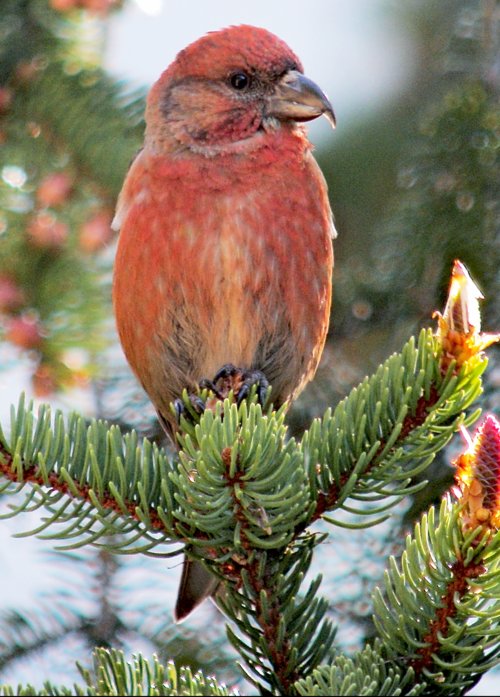
Loxia curvirostra
FotoPhoto: Ftank Vassen, CC BY 2.0, originaleoriginal

Crociere comuneRed Crossbill

Red Crossbill

Crociere comune

Loxia curvirostra

Il crociere comune (Loxia curvirostra Linnaeus, 1758) è un uccello passeriforme della famiglia dei Fringillidi. Wikipedia

The red crossbill or common crossbill (Loxia curvirostra) is a small passerine bird in the finch family Fringillidae. Crossbills have distinctive mandibles, crossed at the tips, which enable them to extract seeds from conifer cones and other fruits. Wikipedia

Osservata 12 volte entro 25 km.Observed 12 times within 25 km.

Mesi migliori: ottobre.Best months: October.

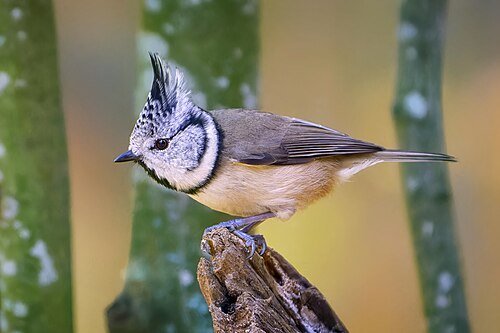
Lophophanes cristatus
FotoPhoto: Andrey Gulivanov, CC BY 2.0, originaleoriginal

Cincia dal ciuffoCrested Tit

Crested Tit

Cincia dal ciuffo

Lophophanes cristatus

La cincia dal ciuffo (Lophophanes cristatus (Linnaeus, 1758)) è un uccello passeriforme appartenente alla famiglia dei Paridi. Wikipedia

The crested tit or European crested tit (Lophophanes cristatus) is a passerine bird in the tit family Paridae. It is a widespread and common resident breeder in coniferous forests throughout central and northern Europe and in deciduous woodland in France and the Iberian Peninsula. Wikipedia

Osservata 11 volte entro 25 km.Observed 11 times within 25 km.

Mesi migliori: gennaio.Best months: January.

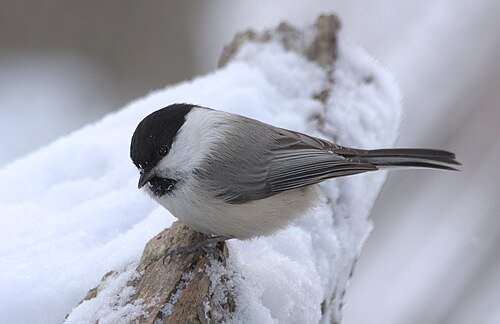
Poecile montanus
FotoPhoto: Dion Art, CC BY-SA 4.0, originaleoriginal

Cincia alpestreWillow Tit

Willow Tit

Cincia alpestre

Poecile montanus

La cincia bigia alpestre (Poecile montanus (Conrad von Baldenstein, 1827)) è un piccolo uccello passeriforme della famiglia dei Paridi. Wikipedia

The willow tit (Poecile montanus) is a passerine bird in the tit family, Paridae. It is a widespread and common resident breeder throughout temperate and subarctic Europe and across the Palearctic. The plumage is grey-brown and off-white with a black cap and bib. Wikipedia

Osservata 11 volte entro 25 km.Observed 11 times within 25 km.

Mesi migliori: gennaio, marzo–aprile.Best months: January, March–April.

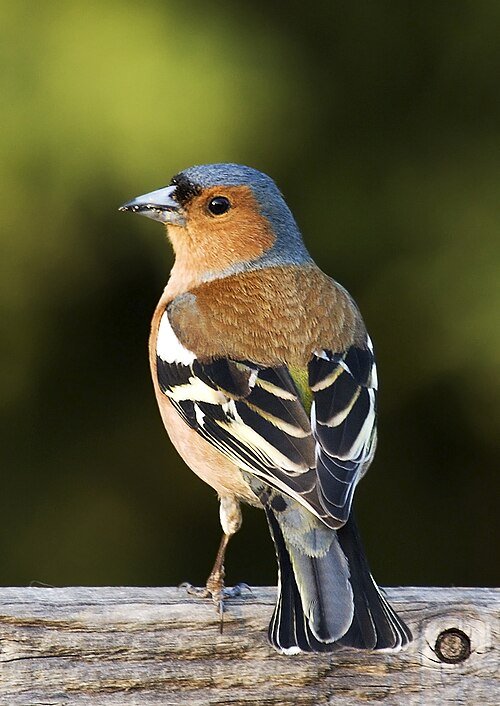
Fringilla coelebs
FotoPhoto: MichaelMaggs – Edited (sharpened, down-sampled, contrast corrected, noise removed) by: Arad, CC BY-SA 2.5, originaleoriginal

FringuelloCommon Chaffinch

Common Chaffinch

Fringuello

Fringilla coelebs

Il fringuello (Fringilla coelebs Linnaeus, 1758) è un piccolo uccello passeriforme della famiglia Fringillidae. Wikipedia

The Eurasian chaffinch, common chaffinch, or simply the chaffinch (Fringilla coelebs) is a common and widespread small passerine bird – in the finch family. The male is brightly coloured with a blue-grey cap and rust-red underparts. Wikipedia

Osservata 9 volte entro 25 km.Observed 9 times within 25 km.

Mesi migliori: giugno.Best months: June.

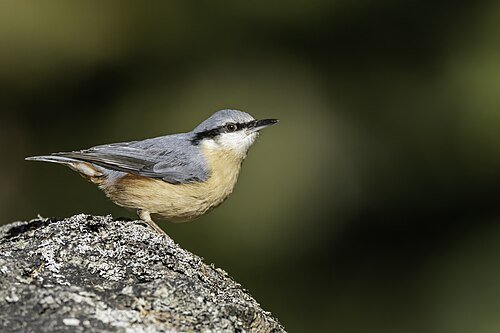
Sitta europaea
FotoPhoto: Chme82, CC BY-SA 4.0, originaleoriginal

Picchio muratoreEurasian Nuthatch

Eurasian Nuthatch

Picchio muratore

Sitta europaea

Il picchio muratore (Sitta europaea Linnaeus, 1758) è un uccello passeriforme della famiglia Sittidae. Misura circa 14 cm di lunghezza per 22-25 g di peso. Il piumaggio è vivace, grigio-blu sul capo, sul dorso, le ali e la coda, mentre l'addome è color arancio. Wikipedia

The Eurasian nuthatch, wood nuthatch (Sitta europaea), or simply nuthatch, is a small passerine bird found throughout the Palearctic and in Eurasia. Like other nuthatches, it is a short-tailed bird with a long bill, blue-gray upperparts and a black eye-stripe. It is a vocal bird with a repeated loud dwip call. Wikipedia

Osservata 9 volte entro 25 km.Observed 9 times within 25 km.

Mesi migliori: gennaio, agosto.Best months: January, August.

MammiferiMammals5 specie5 species

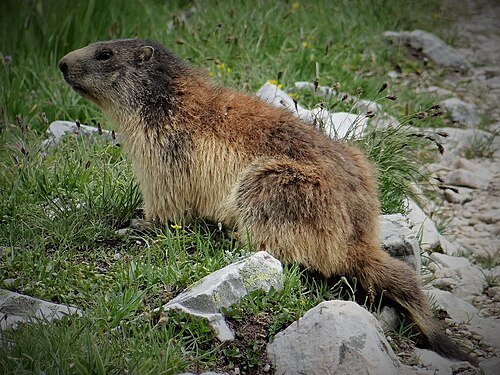
Marmota marmota
FotoPhoto: Ibex73, CC BY-SA 4.0, originaleoriginal

Marmotta delle AlpiAlpine Marmot

Alpine Marmot

Marmotta delle Alpi

Marmota marmota

La marmotta alpina è un roditore della famiglia degli Sciuridae, vive ad altitudini superiori ai 1.500 metri, al limite superiore della foresta, dove gli alberi si diradano e diminuiscono di grandezza. Wikipedia

The alpine marmot (Marmota marmota) is a large ground-dwelling squirrel, from the genus of marmots. It is found in high numbers in mountainous areas of central and southern Europe, at heights between 800 and 3,200 m (2,600–10,500 ft) in the Alps, Carpathians, Tatras and Northern Apennines. Wikipedia

Osservata 32 volte entro 25 km.Observed 32 times within 25 km.

Mesi migliori: luglio–agosto.Best months: July–August.

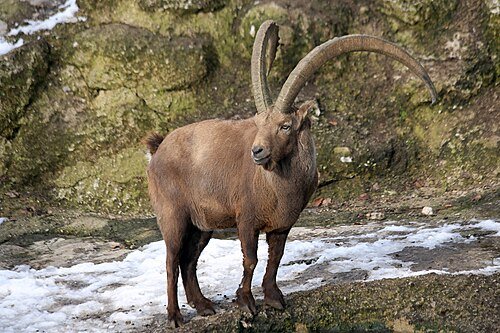
Capra ibex
FotoPhoto: Manfred Werner - Tsui, CC BY-SA 3.0, originaleoriginal

Stambecco delle AlpiAlpine Ibex

Alpine Ibex

Stambecco delle Alpi

Capra ibex

Lo stambecco delle Alpi (Capra ibex L. 1758), anche noto come stambecco alpino o semplicemente stambecco, è una specie di capra selvatica diffusa sulle montagne dell'Arco alpino. È una specie sessualmente dimorfica: i maschi sono più grandi e presentano corna più lunghe e ricurve rispetto alle femmine. Wikipedia

The Alpine ibex (Capra ibex), also known as the steinbock, is a European species of goat which lives in the Alps. It is one of ten species in the genus Capra, and its closest living relative is the Iberian ibex. Wikipedia

Osservata 21 volte entro 25 km.Observed 21 times within 25 km.

Mesi migliori: maggio–giugno, ottobre.Best months: May–June, October.

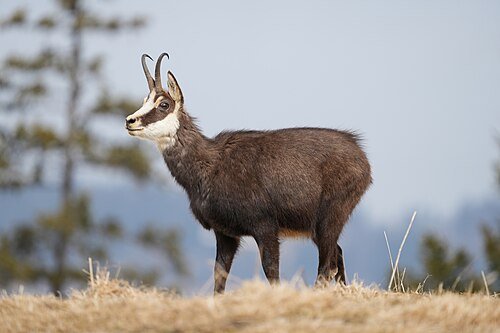
Rupicapra rupicapra
FotoPhoto: Giles Laurent, CC BY-SA 4.0, originaleoriginal

Camoscio alpinoNorthern Chamois

Northern Chamois

Camoscio alpino

Rupicapra rupicapra

Il camoscio alpino (Rupicapra rupicapra, Linnaeus 1758) è un mammifero artiodattilo appartenente alla famiglia dei Bovidi. Di aspetto molto simile alle capre, viene incluso con esse e con le pecore nella sottofamiglia dei Caprini. Wikipedia

The chamois (French: ; Rupicapra rupicapra), or Alpine chamois, is a species of goat-antelope native to mountainous parts of Europe and Western Asia, from the Pyrenees and the Cantabrian Mountain Range, the Alps, the Apennines, the Dinarides, the Tatra to the Carpathian Mountains, the Balkan Mountains, the… Wikipedia

Osservata 17 volte entro 25 km.Observed 17 times within 25 km.

Mesi migliori: aprile, giugno–agosto, ottobre.Best months: April, June–August, October.
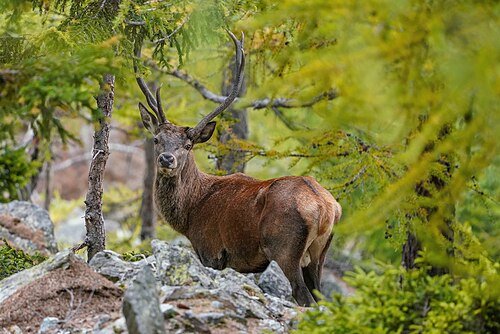
Cervus elaphus
FotoPhoto: Giles Laurent, CC BY-SA 4.0, originaleoriginal

Cervo nobileRed Deer

Red Deer

Cervo nobile

Cervus elaphus

Il cervo nobile (Cervus elaphus Linnaeus, 1758), noto anche come cervo reale, cervo rosso o cervo europeo, è un mammifero artiodattilo appartenente alla famiglia dei Cervidi. Wikipedia

The red deer (Cervus elaphus) is a species of deer in the genus Cervus. It is one of the largest deer species. A male red deer is called a stag or hart, and a female is called a hind. Wikipedia

Osservata 12 volte entro 25 km.Observed 12 times within 25 km.

Mesi migliori: luglio, ottobre.Best months: July, October.

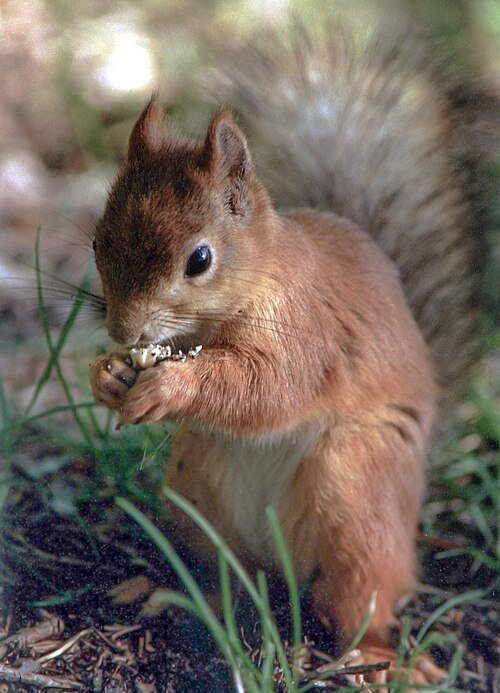
Sciurus vulgaris
FotoPhoto: Toivo Toivanen & Tiina Toppila, Public domain, originaleoriginal

Scoiattolo rossoEurasian Red Squirrel

Eurasian Red Squirrel

Scoiattolo rosso

Sciurus vulgaris

Lo scoiattolo rosso (Sciurus vulgaris Linnaeus, 1758) è un mammifero che appartiene alla famiglia degli Sciuridae, dell'ordine dei Roditori, della classe dei Mammiferi. Wikipedia

The red squirrel (Sciurus vulgaris), also called Eurasian red squirrel, is a species of tree squirrel in the genus Sciurus. It is an arboreal and primarily herbivorous rodent and common throughout Eurasia. Wikipedia

Osservata 11 volte entro 25 km.Observed 11 times within 25 km.

Mesi migliori: gennaio, marzo, maggio, agosto.Best months: January, March, May, August.

RettiliReptiles2 specie2 species

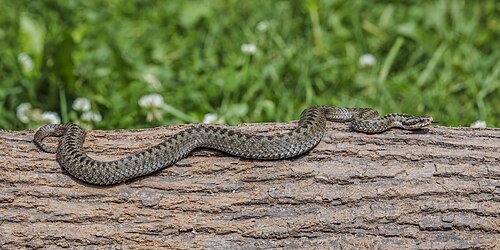
Vipera berus
FotoPhoto: Charles J. Sharp, CC BY-SA 4.0, originaleoriginal

MarassoAdder

Adder

Marasso

Vipera berus

Il marasso (Vipera berus (Linnaeus, 1758)) è un serpente della famiglia Viperidae diffuso in Eurasia. Il suo morso, che può essere molto doloroso, non è considerato pericoloso per l'uomo e raramente si configura mortale, tuttavia richiede un soccorso immediato. Wikipedia

Vipera berus, commonly known as the common European adder and the common European viper, is a species of venomous snake in the family Viperidae. The species is extremely widespread, and thus can be found throughout much of Europe, and as far as East Asia. There are three recognised subspecies. Wikipedia

Osservata 5 volte entro 25 km.Observed 5 times within 25 km.

Mesi migliori: giugno, agosto.Best months: June, August.

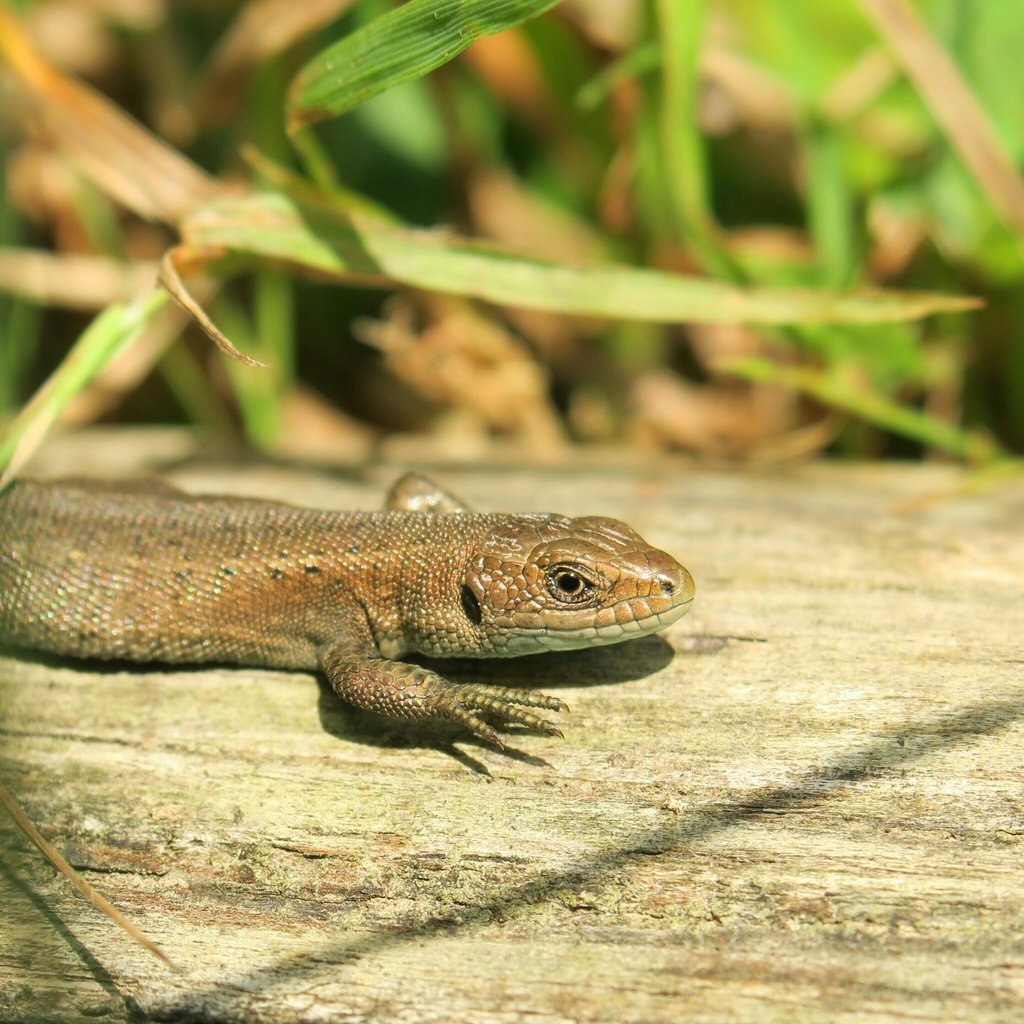
Zootoca vivipara
FotoPhoto: nearwildhelen, CC BY 4.0, originaleoriginal

Lucertola viviparaViviparous Lizard

Viviparous Lizard

Lucertola vivipara

Zootoca vivipara

La lucertola vivipara (Zootoca vivipara Jacquin, 1787) è un rettile della famiglia dei Lacertidi. Wikipedia

The viviparous lizard or common lizard (Zootoca vivipara) is a Eurasian lizard. It lives farther north than any other non-marine, non-avian reptile species, and is named for the fact that it is viviparous, meaning it gives birth to live young (although they will sometimes lay eggs normally). Wikipedia

Osservata 2 volte entro 25 km.Observed 2 times within 25 km.

Vista in: maggio (1), giugno (1).Seen in: May (1), June (1).

AnfibiAmphibians2 specie2 species

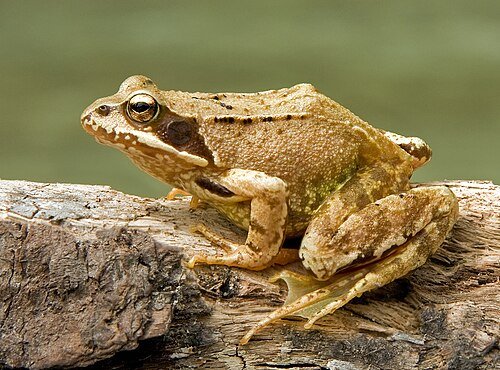
Rana temporaria
FotoPhoto: Richard Bartz, Munich aka Makro Freak Image:MFB.jpg, CC BY-SA 2.5, originaleoriginal

Rana montanaEuropean Common Frog

European Common Frog

Rana montana

Rana temporaria

La rana alpina o rana montana (Rana temporaria Linnaeus, 1758), comunemente chiamata anche rana rossa, termine che spesso include altre congeneri di minore diffusione, è un anfibio anuro della famiglia Ranidae, molto comune in Europa. Wikipedia

The common frog or grass frog (Rana temporaria), also known as the European common frog, European common brown frog, European grass frog, European Holarctic true frog, European pond frog, European brown frog, or simply the frog, is a semi-aquatic amphibian of the family Ranidae, found throughout much of Europe as far… Wikipedia

Osservata 30 volte entro 25 km.Observed 30 times within 25 km.

Mesi migliori: luglio–agosto.Best months: July–August.

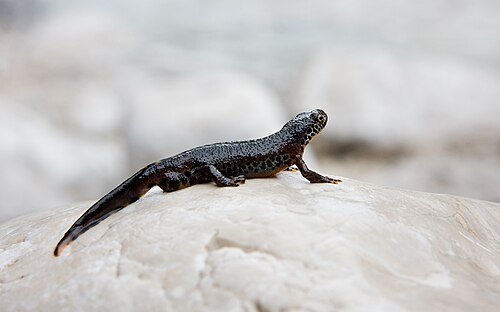
Mesotriton alpestris
FotoPhoto: Richard Bartz, Munich aka Makro Freak, CC BY-SA 2.5, originaleoriginal

Tritone alpinoAlpine Newt

Alpine Newt

Tritone alpino

Mesotriton alpestris

Osservata 1 volta entro 25 km.Observed once within 25 km.

Vista in: luglio (1).Seen in: July (1).

InsettiInsects6 specie6 species

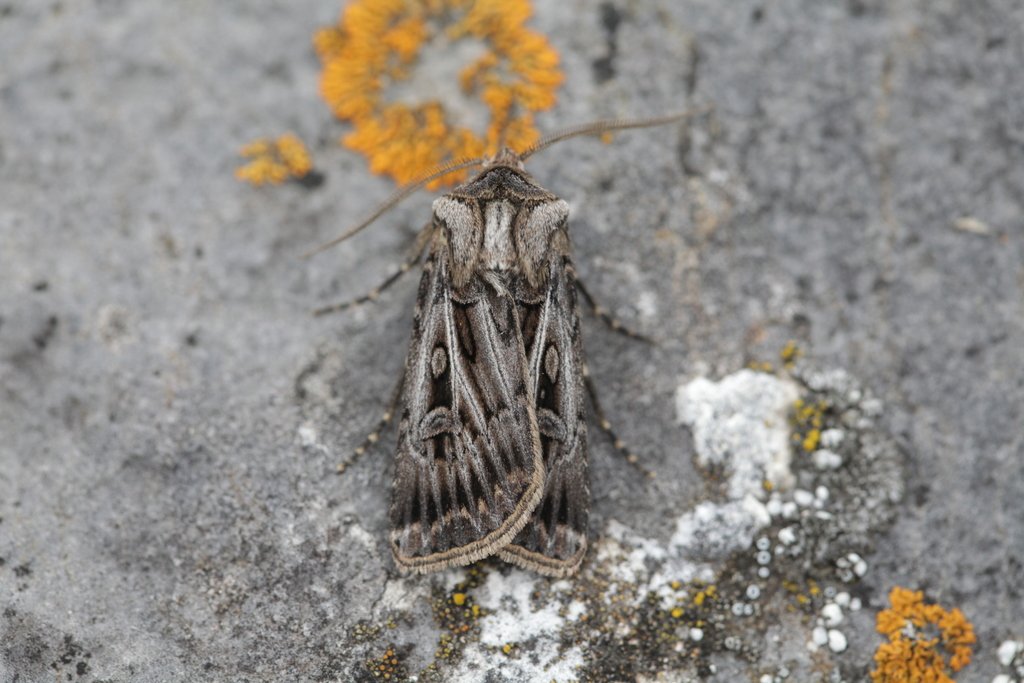
Agrotis fatidica
FotoPhoto: Svyatoslav Knyazev, CC BY 4.0, originaleoriginal

Agrotis fatidica

Agrotis fatidica is a moth of the family Noctuidae. It is found in Southern and Central Europe, east through Russia to Mongolia, China and Tibet. The wingspan is about 40 mm. Wikipedia

Agrotis fatidica is a moth of the family Noctuidae. It is found in Southern and Central Europe, east through Russia to Mongolia, China and Tibet. The wingspan is about 40 mm. Wikipedia

Osservata 30 volte entro 25 km.Observed 30 times within 25 km.

Mesi migliori: agosto.Best months: August.

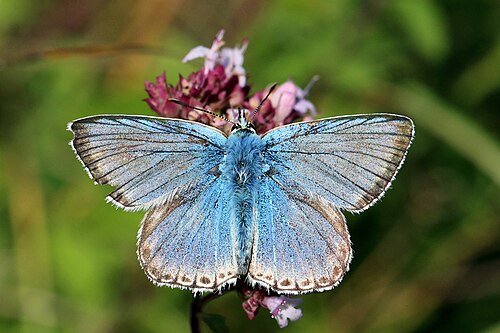
Polyommatus coridon
FotoPhoto: Charles J. Sharp, CC BY-SA 4.0, originaleoriginal

CoridoneChalkhill Blue

Chalkhill Blue

Coridone

Polyommatus coridon

Polyommatus coridon (Poda, 1761) è un lepidottero diurno appartenente alla famiglia Lycaenidae, diffuso in Eurasia. Wikipedia

Polyommatus coridon (Poda, 1761) è un lepidottero diurno appartenente alla famiglia Lycaenidae, diffuso in Eurasia. Wikipedia

Osservata 24 volte entro 25 km.Observed 24 times within 25 km.

Mesi migliori: luglio–agosto.Best months: July–August.

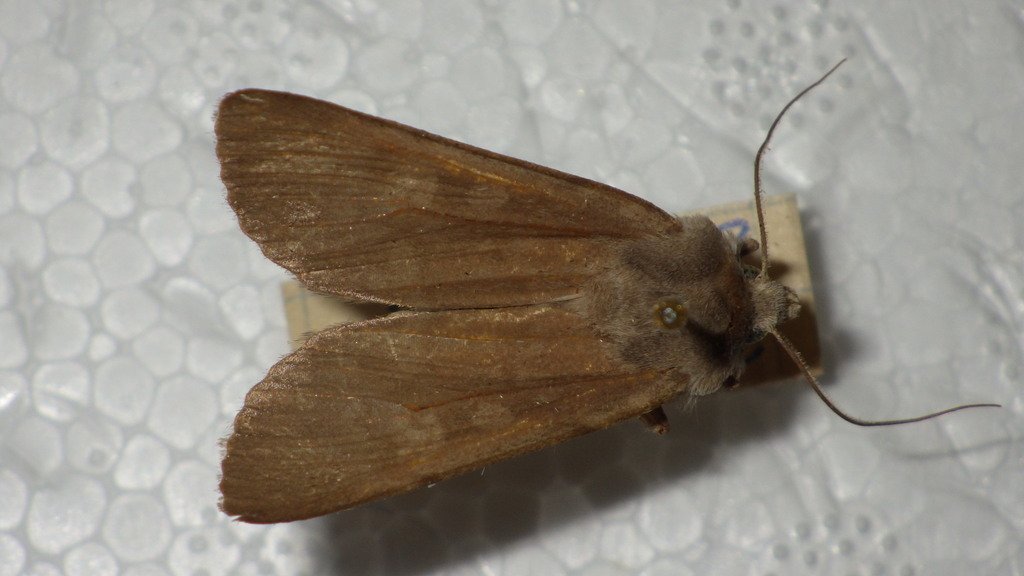
Rhyacia helvetina
FotoPhoto: Andreas Manz, CC0 1.0, originaleoriginal

Rhyacia helvetina

Osservata 24 volte entro 25 km.Observed 24 times within 25 km.

Mesi migliori: luglio–agosto.Best months: July–August.

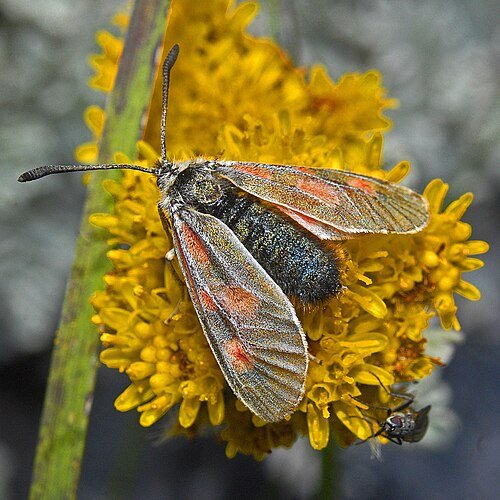
Zygaena exulans
FotoPhoto: Hectonichus, CC BY-SA 4.0, originaleoriginal

Zigena alpinaMountain Burnet

Mountain Burnet

Zigena alpina

Zygaena exulans

Zygaena exulans, the mountain burnet or Scotch burnet, is a moth of the family Zygaenidae. Wikipedia

Zygaena exulans, the mountain burnet or Scotch burnet, is a moth of the family Zygaenidae. Wikipedia

Osservata 19 volte entro 25 km.Observed 19 times within 25 km.

Mesi migliori: luglio–agosto.Best months: July–August.

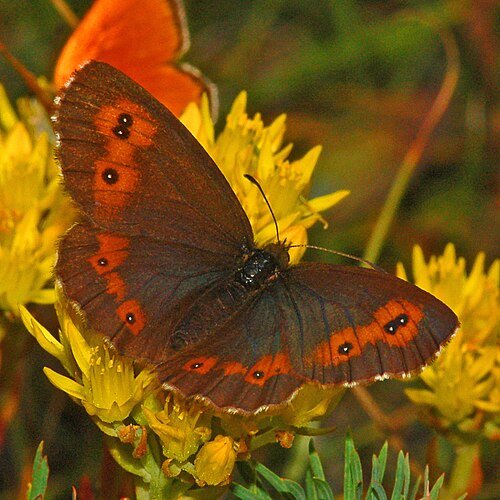
Erebia euryale
FotoPhoto: Hectonichus, CC BY-SA 4.0, originaleoriginal

Large Ringlet

Erebia euryale

Erebia euryale, the large ringlet, is a species of butterfly belonging to the family Nymphalidae. Wikipedia

Erebia euryale, the large ringlet, is a species of butterfly belonging to the family Nymphalidae. Wikipedia

Osservata 17 volte entro 25 km.Observed 17 times within 25 km.

Mesi migliori: luglio–agosto.Best months: July–August.

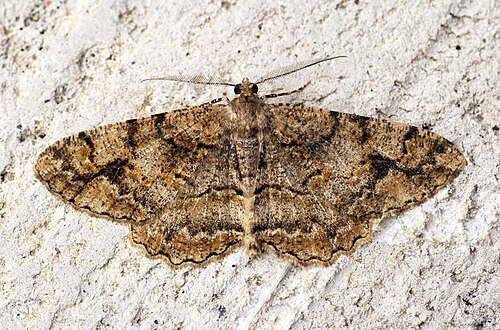
Alcis repandata
FotoPhoto: Ben Sale from UK, CC BY 2.0, originaleoriginal

Mottled Beauty

Alcis repandata

The mottled beauty (Alcis repandata) is a moth of the family Geometridae. The species was first described by Carl Linnaeus in his 1758 10th edition of Systema Naturae. Wikipedia

The mottled beauty (Alcis repandata) is a moth of the family Geometridae. The species was first described by Carl Linnaeus in his 1758 10th edition of Systema Naturae. Wikipedia

Osservata 16 volte entro 25 km.Observed 16 times within 25 km.

Mesi migliori: luglio–agosto.Best months: July–August.

AracnidiArachnids3 specie3 species

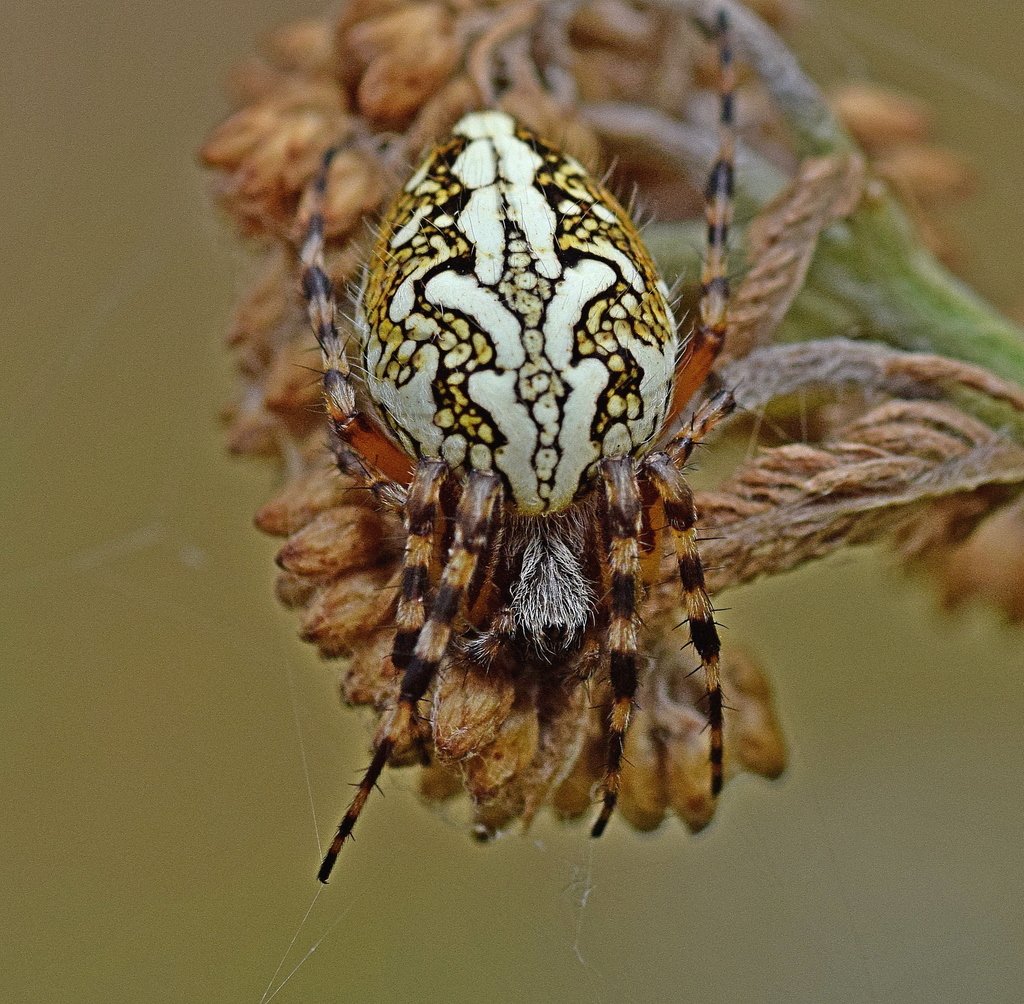
Aculepeira ceropegia
FotoPhoto: Kostas Zontanos, CC BY 4.0, originaleoriginal

Oak Spider

Aculepeira ceropegia

Aculepeira ceropegia (Walckenaer, 1802) è un ragno appartenente alla famiglia Araneidae. Wikipedia

Aculepeira ceropegia, the oak spider, is an orb-weaving spider species belonging to the family Araneidae. Wikipedia

Osservata 9 volte entro 25 km.Observed 9 times within 25 km.

Mesi migliori: luglio–agosto.Best months: July–August.

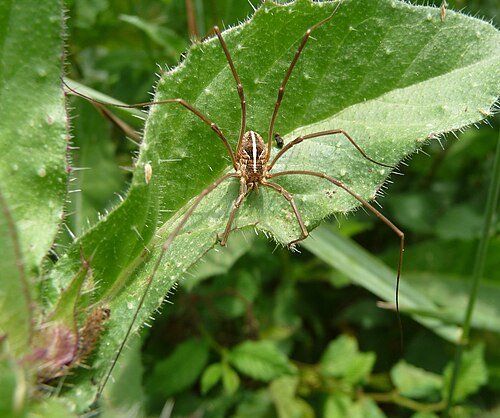
Mitopus morio
FotoPhoto: Lucarelli at de.wikipedia, CC BY-SA 3.0 de, originaleoriginal

Opilione di montagnaSaddleback Harvestman

Saddleback Harvestman

Opilione di montagna

Mitopus morio

Mitopus morio (Fabricius, 1799) è un opilionide appartenente alla famiglia Phalangiidae. Wikipedia

Mitopus morio is a species of harvestman arachnid belonging to the family Phalangiidae. Wikipedia

Osservata 6 volte entro 25 km.Observed 6 times within 25 km.

Mesi migliori: agosto.Best months: August.

Ragno crociatoCross Orbweaver

Cross Orbweaver

Ragno crociato

Araneus diadematus

Araneus diadematus Clerck, 1757, noto comunemente con la denominazione di ragno crociato, è un ragno della famiglia Araneidae. Wikipedia

The spider species Araneus diadematus is commonly called the European garden spider, cross orbweaver, diadem spider, orangie, cross spider, and crowned orb weaver. It is sometimes called the pumpkin spider, although this name is also used for a different species, Araneus marmoreus. Wikipedia

Osservata 4 volte entro 25 km.Observed 4 times within 25 km.

Vista in: agosto (4).Seen in: August (4).

MolluschiMolluscs2 specie2 species

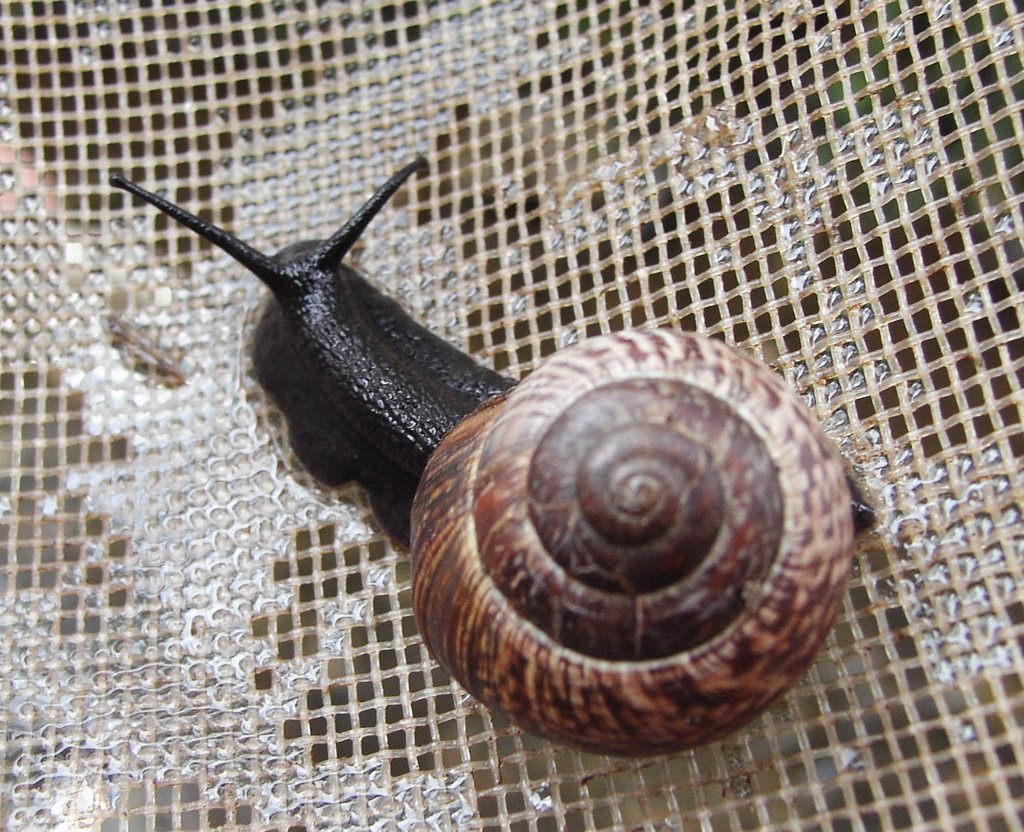
Arianta arbustorum
FotoPhoto: portioid, CC BY 4.0, originaleoriginal

Chiocciola degli arbustiCopse Snail

Copse Snail

Chiocciola degli arbusti

Arianta arbustorum

Arianta arbustorum (Linnaeus, 1758) è un mollusco gasteropode terrestre della famiglia Helicidae. Wikipedia

Arianta arbustorum, sometimes known as the copse snail, is a medium-sized species of pulmonate land snail in the family Helicidae. Wikipedia

Osservata 5 volte entro 25 km.Observed 5 times within 25 km.

Mesi migliori: maggio.Best months: May.

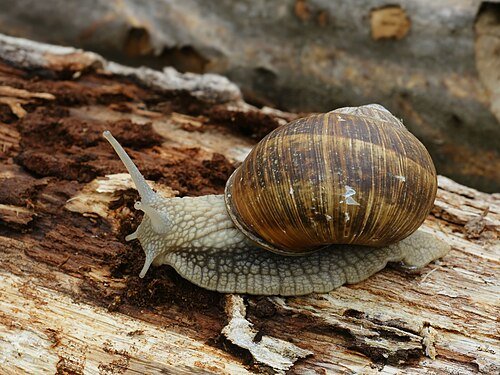
Helix pomatia
FotoPhoto: Hans Hillewaert, CC BY-SA 4.0, originaleoriginal

Chiocciola borgognonaRoman Snail

Roman Snail

Chiocciola borgognona

Helix pomatia

Helix pomatia Linnaeus, 1758 è un mollusco gasteropode terrestre della famiglia Helicidae, chiamato comunemente "chiocciola", "chiocciola borgognona", e "lumaca". Wikipedia

Helix pomatia, known as the Roman snail, or Burgundy snail,, is a species of large, air-breathing stylommatophoran land snail belonging to the family Helicidae and native to Europe. It is characterized by a globular brown shell. Wikipedia

Osservata 3 volte entro 25 km.Observed 3 times within 25 km.

Vista in: marzo (1), giugno (1), luglio (1).Seen in: March (1), June (1), July (1).

Per chi ospita

Gestisci un agriturismo, un B&B, un campeggio o un rifugio a Livigno o nei dintorni? Con il Kit Natura questa pagina prende il nome della tua struttura e i dati del punto esatto in cui si trova, e ricevi poster con QR, cartoncino da tavolo, libretto e caccia al tesoro per i bambini. L'anteprima è gratuita e pronta in un minuto.

Guarda l'anteprima della tua struttura