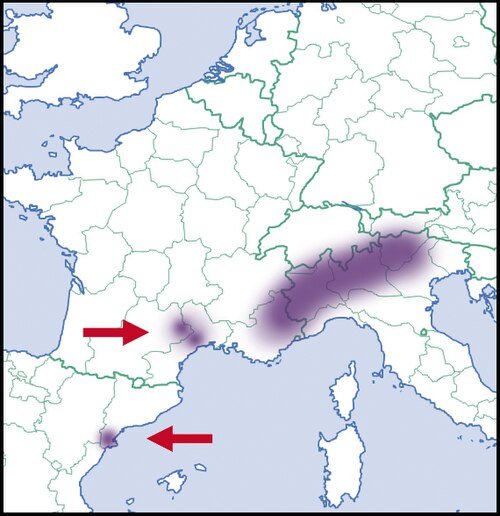
Hai una struttura ricettiva a Ivrea? Questa pagina può portare il suo nome, con poster e QR per i tuoi ospiti.

Guarda la tua anteprima

Ivrea

Gli animali osservati nei dintorniWildlife observed nearby

Osservazioni delle 30 specie di questa pagina entro 25 km, mese per mese.Observations of the 30 species on this page within 25 km, month by month.

30 specie animali osservate entro 25 km da Ivrea, un po' per ogni gruppo, con i mesi in cui sono state viste. Vengono da 1.028 osservazioni pubbliche di 46 persone su iNaturalist, aggiornate al 13 novembre 2026. Dicono dove le persone hanno visto e fotografato un animale, non garantiscono avvistamenti.30 animal species observed within 25 km of Ivrea, a few from each group, with the months they were seen. They come from 1,028 public observations by 46 people on iNaturalist, updated on 13 November 2026. They show where people have seen and photographed an animal; they do not guarantee sightings.

UccelliBirds10 specie10 species

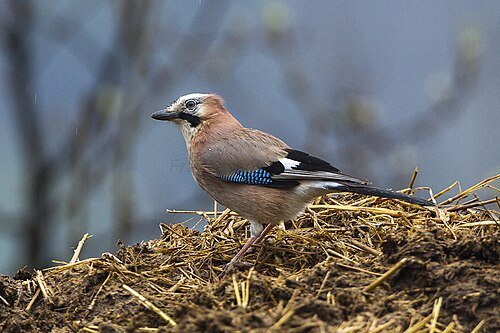
Garrulus glandarius
FotoPhoto: Francesco Veronesi from Italy, CC BY-SA 2.0, originaleoriginal

GhiandaiaEurasian Jay

Eurasian Jay

Ghiandaia

Garrulus glandarius

La ghiandaia (Garrulus glandarius (Linnaeus, 1758)) è un uccello passeriforme appartenente alla famiglia dei Corvidae. Wikipedia

The Eurasian jay (Garrulus glandarius) is a species of passerine bird in the family Corvidae. It has pinkish brown plumage with a black stripe on each side of a whitish throat, a bright blue panel on the upper wing and a black tail. Wikipedia

Osservata 8 volte entro 25 km.Observed 8 times within 25 km.

Mesi migliori: febbraio, giugno, ottobre.Best months: February, June, October.
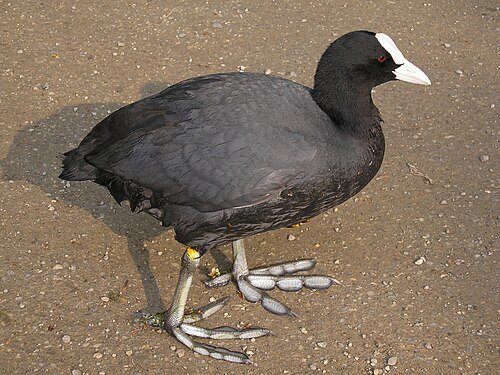
Fulica atra
FotoPhoto: Duhon, CC BY 3.0, originaleoriginal

Folaga eurasiaticaEurasian Coot

Eurasian Coot

Folaga eurasiatica

Fulica atra

La folaga comune (Fulica atra Linnaeus, 1758) è un uccello gruiforme della famiglia dei Rallidi originario di Eurasia, Africa, Nuova Guinea, Australia e Nuova Zelanda. Wikipedia

The Eurasian coot (Fulica atra), also known as the common coot or Australian coot, is a member of the rail and crake bird family, the Rallidae. It is found in Europe, Asia, Australia, New Zealand and parts of North Africa. It has a slaty-black body, a glossy black head and a white bill with a white frontal shield. Wikipedia

Osservata 7 volte entro 25 km.Observed 7 times within 25 km.

Mesi migliori: agosto.Best months: August.

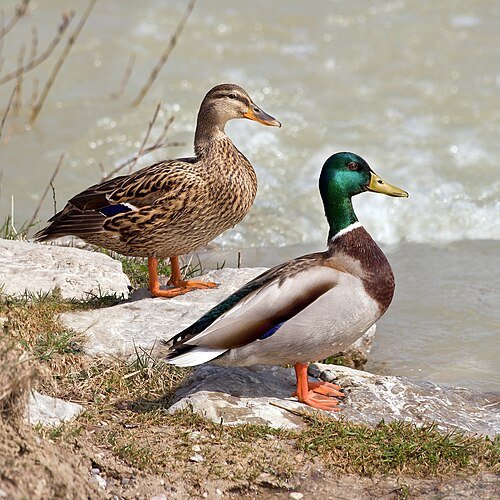
Anas platyrhynchos
FotoPhoto: This picture was realized by Richard Bartz by using a Canon EF 70-300mm f/4-5.6 IS USM Lens, CC BY-SA 2.5, originaleoriginal

Germano realeMallard

Mallard

Germano reale

Anas platyrhynchos

Il germano reale (Anas platyrhynchos Linnaeus, 1758) è un uccello della famiglia degli Anatidae noto in Italia anche come capoverde. Wikipedia

The mallard or wild duck (Anas platyrhynchos) is a dabbling duck that breeds throughout temperate and subtropical North America, Eurasia, and North Africa. It has been introduced to New Zealand, Australia, Peru, Brazil, Uruguay, Argentina, Chile, Colombia, the Falkland Islands, and South Africa. Wikipedia

Osservata 6 volte entro 25 km.Observed 6 times within 25 km.

Mesi migliori: marzo, agosto.Best months: March, August.

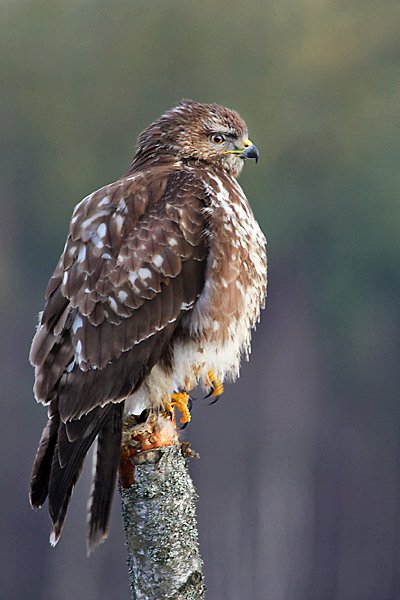
Buteo buteo
FotoPhoto: Marek Szczepanek, CC BY-SA 3.0, originaleoriginal

Poiana comuneCommon Buzzard

Common Buzzard

Poiana comune

Buteo buteo

La poiana comune (Buteo buteo Linnaeus, 1758), detta anche bozzago, bozzagro, bozzegro, buzzago, buzzagro o abuzzago, è un uccello rapace della famiglia Accipitridae. Il suo areale copre la maggior parte dell'Europa e si estende in Asia. Vive in tutte le zone tranne che in quelle più fredde. Wikipedia

The common buzzard (Buteo buteo) is a medium-sized bird of prey with a large range. It is a member of the genus Buteo in the family Accipitridae. Wikipedia

Osservata 5 volte entro 25 km.Observed 5 times within 25 km.

Mesi migliori: aprile.Best months: April.

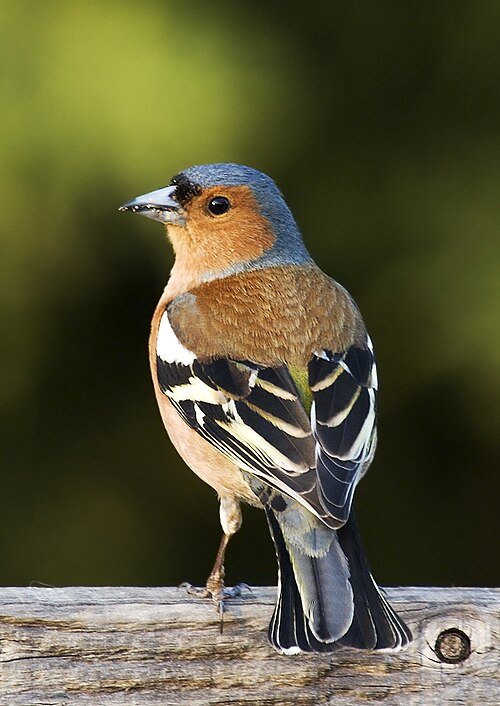
Fringilla coelebs
FotoPhoto: MichaelMaggs – Edited (sharpened, down-sampled, contrast corrected, noise removed) by: Arad, CC BY-SA 2.5, originaleoriginal

FringuelloCommon Chaffinch

Common Chaffinch

Fringuello

Fringilla coelebs

Il fringuello (Fringilla coelebs Linnaeus, 1758) è un piccolo uccello passeriforme della famiglia Fringillidae. Wikipedia

The Eurasian chaffinch, common chaffinch, or simply the chaffinch (Fringilla coelebs) is a common and widespread small passerine bird – in the finch family. The male is brightly coloured with a blue-grey cap and rust-red underparts. Wikipedia

Osservata 5 volte entro 25 km.Observed 5 times within 25 km.

Mesi migliori: gennaio.Best months: January.

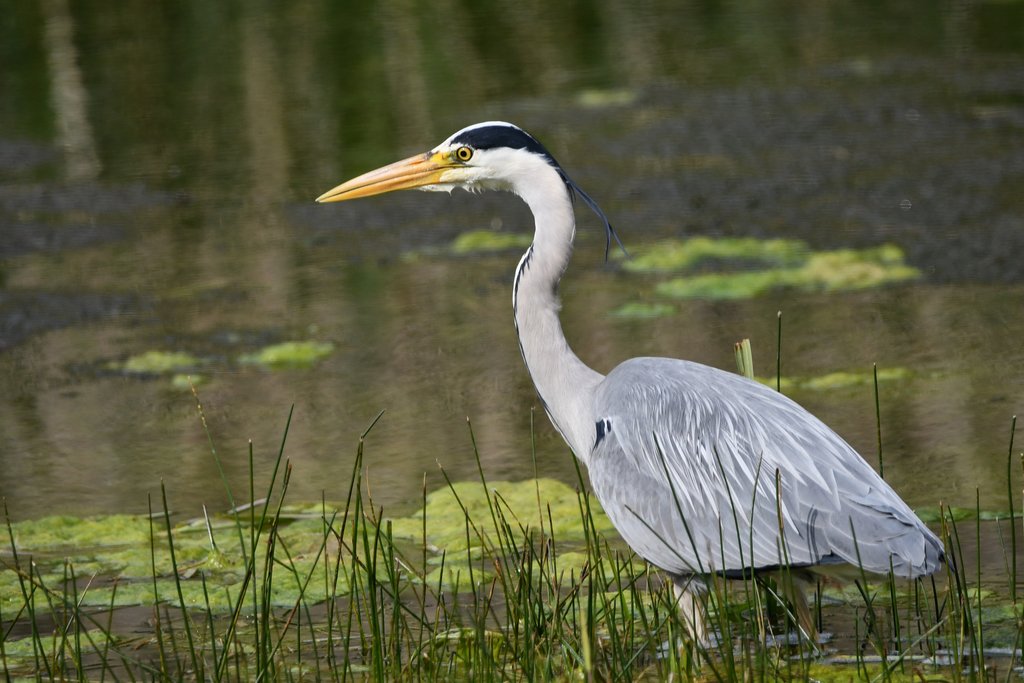
Ardea cinerea
FotoPhoto: Frank Sengpiel, CC BY 4.0, originaleoriginal

Airone cenerinoGrey Heron

Grey Heron

Airone cenerino

Ardea cinerea

L'airone cenerino (Ardea cinerea Linnaeus, 1758) è un uccello appartenente alla famiglia Ardeidae. Wikipedia

The grey heron (Ardea cinerea) is a long-legged wading bird of the heron family, Ardeidae, native throughout Europe, Asia, and most of Africa. It is resident in much of its range, but some populations from the more northern parts migrate southwards in autumn. Wikipedia

Osservata 4 volte entro 25 km.Observed 4 times within 25 km.

Vista in: febbraio (1), settembre (1), ottobre (1), novembre (1).Seen in: February (1), September (1), October (1), November (1).

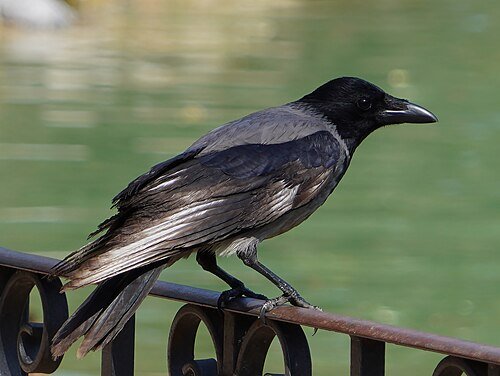
Corvus cornix
FotoPhoto: Commonists, CC BY-SA 4.0, originaleoriginal

Cornacchia grigiaHooded Crow

Hooded Crow

Cornacchia grigia

Corvus cornix

La cornacchia grigia (Corvus cornix Linnaeus, 1758) è un uccello passeriforme appartenente alla famiglia Corvidae. Wikipedia

The hooded crow (Corvus cornix), also colloquially called just hoodie, is a Eurasian bird subspecies of the carrion crow (Corvus corone) in the genus Corvus. Widely distributed, it is found across Northern, Eastern, and Southeastern Europe, as well as parts of the Middle East. Wikipedia

Osservata 4 volte entro 25 km.Observed 4 times within 25 km.

Vista in: gennaio (1), marzo (1), settembre (2).Seen in: January (1), March (1), September (2).

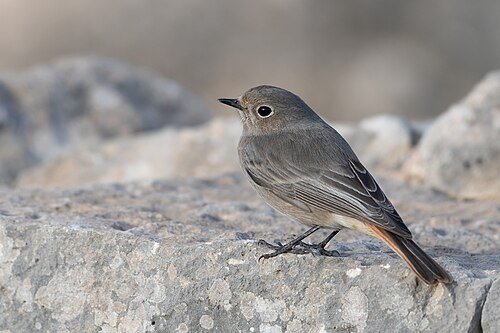
Phoenicurus ochruros
FotoPhoto: El Golli Mohamed, CC BY-SA 4.0, originaleoriginal

Codirosso spazzacaminoBlack Redstart

Black Redstart

Codirosso spazzacamino

Phoenicurus ochruros

Il codirosso spazzacamino (Phoenicurus ochruros (S.G.Gmelin, 1774)) è un piccolo uccello passeriforme che appartiene alla famiglia dei Muscicapidi. Wikipedia

The black redstart (Phoenicurus ochruros) is a small passerine bird in the Old World flycatcher family. It is a widespread breeder in rocky habitats across Eurasia and North Africa, from the British Isles south to Morocco and east to central China. Wikipedia

Osservata 4 volte entro 25 km.Observed 4 times within 25 km.

Vista in: marzo (1), aprile (1), maggio (1), giugno (1).Seen in: March (1), April (1), May (1), June (1).

CodibugnoloLong-tailed Tit

Long-tailed Tit

Codibugnolo

Aegithalos caudatus

Il codibùgnolo (Aegithalos caudatus (Linnaeus, 1758)) è un uccello passeriforme della famiglia Aegithalidae. Wikipedia

The long-tailed tit or long-tailed bushtit (Aegithalos caudatus) is a common bird species belonging to the bushtit family found throughout Eurasia. An insectivore, it inhabits deciduous and mixed woodlands as well as scrub, heathland, farmland, parks and gardens. Wikipedia

Osservata 3 volte entro 25 km.Observed 3 times within 25 km.

Vista in: gennaio (1), marzo (1), maggio (1).Seen in: January (1), March (1), May (1).

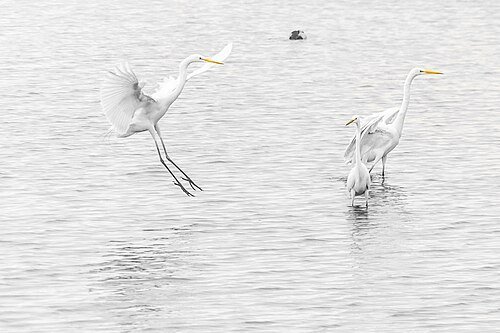
Ardea alba
FotoPhoto: Vanni Lazzari, CC BY 4.0, originaleoriginal

Airone bianco maggioreGreat Egret

Great Egret

Airone bianco maggiore

Ardea alba

L'airone bianco maggiore (Ardea alba Linnaeus, 1758) è un uccello appartenente alla famiglia degli Ardeidi. Wikipedia

The great egret (Ardea alba), also known as the common egret, large egret, great white egret, or great white heron, is a large, widely distributed egret. The four subspecies occur in Asia, Africa, the Americas, and southern Europe. Recently, it has also been spreading to more northern areas of Europe. Wikipedia

Osservata 3 volte entro 25 km.Observed 3 times within 25 km.

Vista in: gennaio (1), marzo (1), novembre (1).Seen in: January (1), March (1), November (1).

MammiferiMammals5 specie5 species

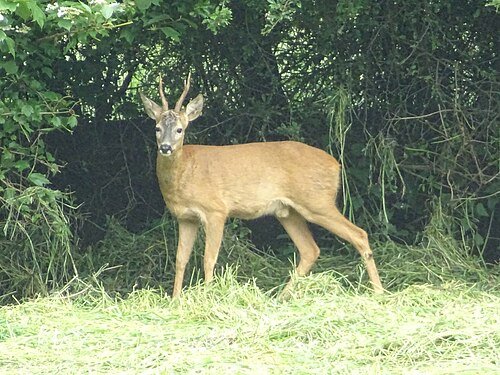
Capreolus capreolus
FotoPhoto: Karbohut, CC BY-SA 4.0, originaleoriginal

CaprioloWestern Roe Deer

Western Roe Deer

Capriolo

Capreolus capreolus

Il capriolo eurasiatico (Capreolus capreolus, Linnaeus, 1758) è un ungulato diffuso in Eurasia. Wikipedia

The roe deer (Capreolus capreolus), also known as the roe, western roe deer, or European roe, is a species of deer. The male of the species is sometimes referred to as a roebuck. The roe is a small deer, reddish and grey-brown, and well-adapted to cold environments. Wikipedia

Osservata 23 volte entro 25 km.Observed 23 times within 25 km.

Mesi migliori: gennaio, aprile.Best months: January, April.

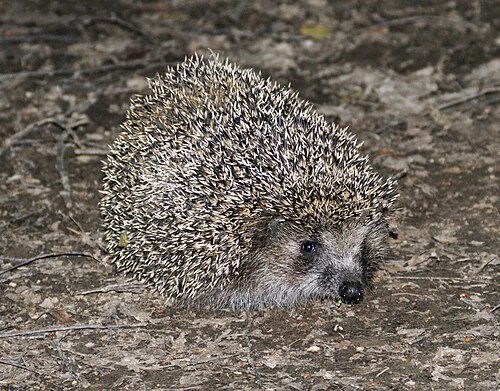
Erinaceus europaeus
FotoPhoto: Dion Art, CC BY-SA 4.0, originaleoriginal

Riccio comuneCommon Hedgehog

Common Hedgehog

Riccio comune

Erinaceus europaeus

Il riccio eurasiatico, noto anche come riccio comune (Erinaceus europaeus Linnaeus, 1758), è un mammifero eulipotiflo appartenente alla famiglia Erinaceidae. È spesso confuso con il porcospino, termine che si riferisce in realtà all'istrice. Wikipedia

The European hedgehog (Erinaceus europaeus), also known as the West European hedgehog, Western European hedgehog or common hedgehog, is a hedgehog species native to Europe from Iberia and Italy northwards into Scandinavia and westwards into Ireland. Wikipedia

Osservata 5 volte entro 25 km.Observed 5 times within 25 km.

Mesi migliori: maggio, luglio.Best months: May, July.

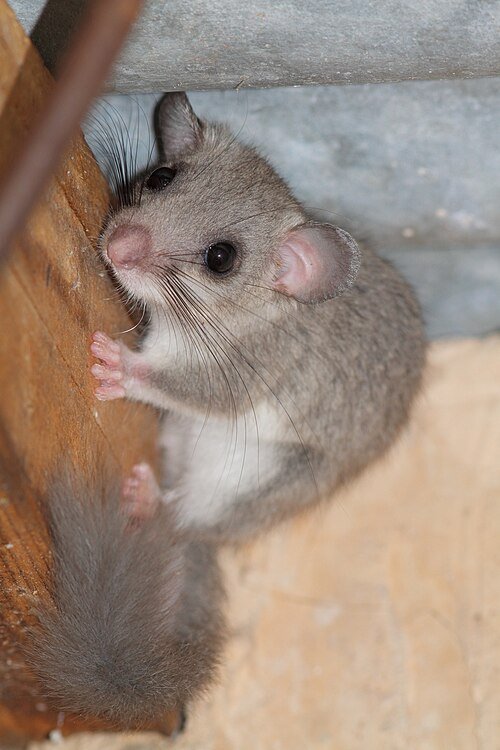
Glis glis
FotoPhoto: Bouke ten Cate, CC BY-SA 4.0, originaleoriginal

GhiroEuropean Fat Dormouse

European Fat Dormouse

Ghiro

Glis glis

Il ghiro (Glis glis Linnaeus, 1766) è un roditore appartenente alla famiglia Gliridae; è l'unica specie del genere Glis. Wikipedia

The European edible dormouse (Glis glis), also known as the European dormouse or European fat dormouse, is a large dormouse and one of only two living species in the genus Glis, found in most of Europe and parts of western Asia. The common name comes from the Romans, who ate them as a delicacy. Wikipedia

Osservata 3 volte entro 25 km.Observed 3 times within 25 km.

Vista in: giugno (1), luglio (1), agosto (1).Seen in: June (1), July (1), August (1).

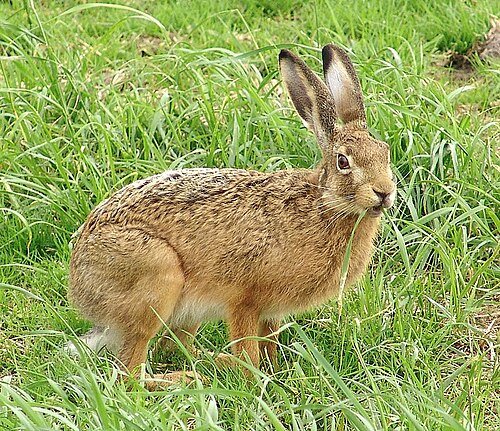
Lepus europaeus
FotoPhoto: MOdmate, Public domain, originaleoriginal

Lepre comuneBrown Hare

Brown Hare

Lepre comune

Lepus europaeus

La lepre comune o lepre eurasiatica (Lepus europaeus Pallas, 1778) è un mammifero lagomorfo appartenente alla famiglia dei Leporidi e originario dell'Asia e dell'Europa. Wikipedia

The European hare (Lepus europaeus), also known as the brown hare, is a species of hare native to Europe and parts of Asia. It is among the largest hare species and is adapted to temperate, open country. Wikipedia

Osservata 3 volte entro 25 km.Observed 3 times within 25 km.

Vista in: marzo (1), aprile (1), ottobre (1).Seen in: March (1), April (1), October (1).

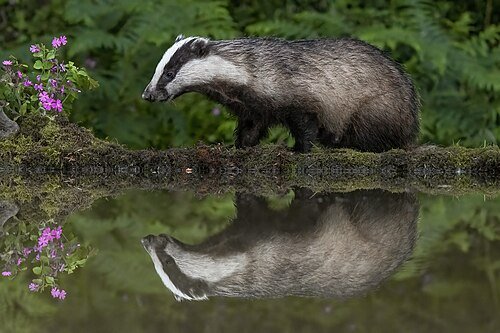
Meles meles
FotoPhoto: caroline legg, CC BY 2.0, originaleoriginal

Tasso europeoEuropean Badger

European Badger

Tasso europeo

Meles meles

Il tasso comune (Meles meles Linnaeus, 1758), noto anche come tasso eurasiatico o tasso europeo, è una specie di mammifero carnivoro appartenente alla famiglia Mustelidae. Wikipedia

The European badger (Meles meles), also known as the Eurasian badger, is a species of badger in the family Mustelidae native to Europe and West Asia and parts of Central Asia. Wikipedia

Osservata 3 volte entro 25 km.Observed 3 times within 25 km.

Vista in: marzo (1), aprile (1), agosto (1).Seen in: March (1), April (1), August (1).

AnfibiAmphibians4 specie4 species

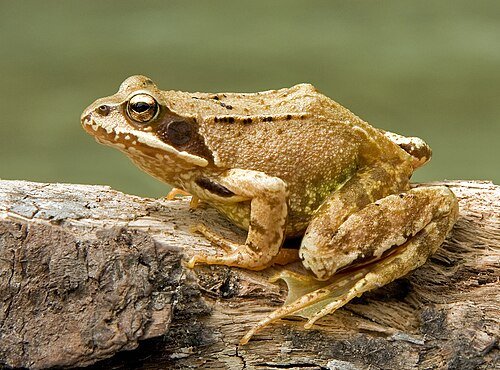
Rana dalmatina
FotoPhoto: Angelo Casto, CC BY-SA 4.0, originaleoriginal

Rana agileAgile Frog

Agile Frog

Rana agile

Rana dalmatina

La rana agile (Rana dalmatina Fitzinger, 1839) è un anfibio anuro appartenente alla famiglia dei Ranidi. Wikipedia

The agile frog (Rana dalmatina) is a European frog in the genus Rana of the true frog family, Ranidae. Wikipedia

Osservata 15 volte entro 25 km.Observed 15 times within 25 km.

Mesi migliori: marzo.Best months: March.

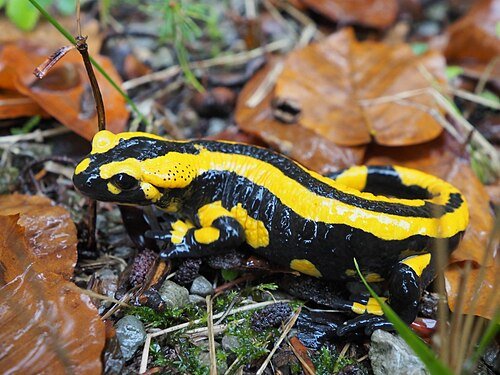
Salamandra salamandra
FotoPhoto: Jedesto, CC BY-SA 4.0, originaleoriginal

Salamandra pezzataFire Salamander

Fire Salamander

Salamandra pezzata

Salamandra salamandra

La salamandra pezzata (Salamandra salamandra Linnaeus, 1758) è un anfibio urodelo appartenente alla famiglia Salamandridae. Wikipedia

The fire salamander (Salamandra salamandra) is a common species of salamander found in Europe. It is black with yellow spots or stripes to a varying degree; some specimens can be nearly completely black while on others the yellow is dominant. Wikipedia

Osservata 15 volte entro 25 km.Observed 15 times within 25 km.

Mesi migliori: maggio–luglio, ottobre–novembre.Best months: May–July, October–November.

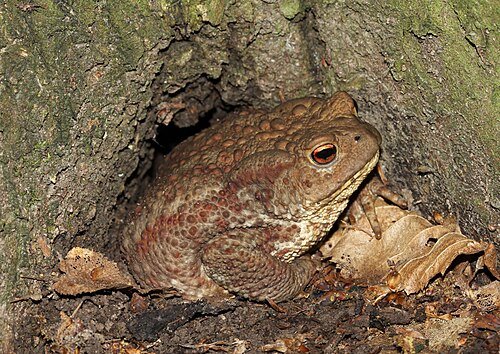
Bufo bufo
FotoPhoto: George Chernilevsky, Public domain, originaleoriginal

Rospo comuneEuropean Toad

European Toad

Rospo comune

Bufo bufo

Il rospo comune (Bufo bufo (Linnaeus, 1758)) o rospo europeo è un anfibio anuro della famiglia Bufonidae, diffuso in Eurasia (con l'eccezione di Irlanda, Islanda, Scandinavia settentrionale e alcune isole del mar Mediterraneo) e nel nord-ovest dell'Africa. Wikipedia

The common toad, also known as European toad or simply the toad in Anglophone parts of Europe (Bufo bufo, from Latin bufo "toad"), is a toad found throughout most of Europe (excluding Iceland, Ireland, parts of Scandinavia, and some Mediterranean islands), western North Asia and a small part of Northwest Africa. Wikipedia

Osservata 10 volte entro 25 km.Observed 10 times within 25 km.

Mesi migliori: marzo, giugno, agosto.Best months: March, June, August.

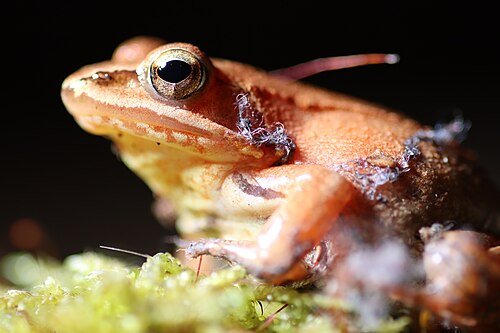
Rana temporaria
FotoPhoto: Richard Bartz, Munich aka Makro Freak Image:MFB.jpg, CC BY-SA 2.5, originaleoriginal

Rana montanaEuropean Common Frog

European Common Frog

Rana montana

Rana temporaria

La rana alpina o rana montana (Rana temporaria Linnaeus, 1758), comunemente chiamata anche rana rossa, termine che spesso include altre congeneri di minore diffusione, è un anfibio anuro della famiglia Ranidae, molto comune in Europa. Wikipedia

The common frog or grass frog (Rana temporaria), also known as the European common frog, European common brown frog, European grass frog, European Holarctic true frog, European pond frog, European brown frog, or simply the frog, is a semi-aquatic amphibian of the family Ranidae, found throughout much of Europe as far… Wikipedia

Osservata 9 volte entro 25 km.Observed 9 times within 25 km.

Mesi migliori: maggio–giugno.Best months: May–June.

InsettiInsects6 specie6 species

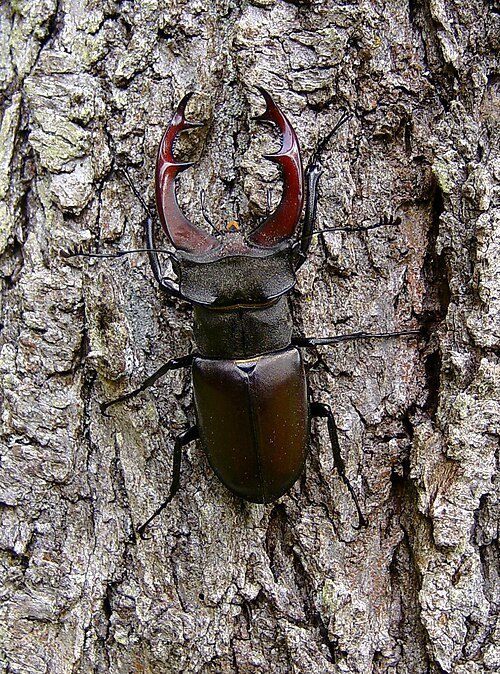
Lucanus cervus
FotoPhoto: Dumi, CC BY-SA 3.0, originaleoriginal

Cervo volanteEuropean Stag Beetle

European Stag Beetle

Cervo volante

Lucanus cervus

Il cervo volante (Lucanus cervus Linnaeus, 1758) è un coleottero della famiglia dei Lucanidi. Con una lunghezza che varia dai 25 agli 80 millimetri (100 mm per la sottospecie judaicus), il cervo volante è sicuramente uno dei più grossi coleotteri esistenti in Europa. Wikipedia

Lucanus cervus, known as the European stag beetle, or the greater stag beetle, is one of the best-known species of stag beetle (family Lucanidae) in Western Europe, and is the eponymous example of the genus. L. cervus is listed as Near Threatened in Europe by the IUCN Red List. Wikipedia

Osservata 10 volte entro 25 km.Observed 10 times within 25 km.

Mesi migliori: luglio.Best months: July.

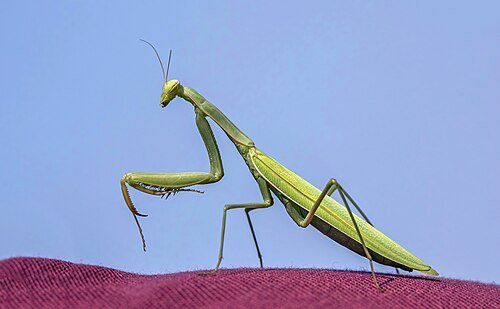
Mantis religiosa
FotoPhoto: Charles J. Sharp, CC BY-SA 4.0, originaleoriginal

Mantide religiosaEuropean Mantis

European Mantis

Mantide religiosa

Mantis religiosa

La mantide religiosa o mantide europea (Mantis religiosa Linnaeus, 1758) è una delle specie più comuni dell'ordine Mantodea. Wikipedia

The European mantis (Mantis religiosa) is a large hemimetabolic insect in the family Mantidae, which is the largest family of the order Mantodea (mantises). Wikipedia

Osservata 10 volte entro 25 km.Observed 10 times within 25 km.

Mesi migliori: agosto–settembre, novembre.Best months: August–September, November.

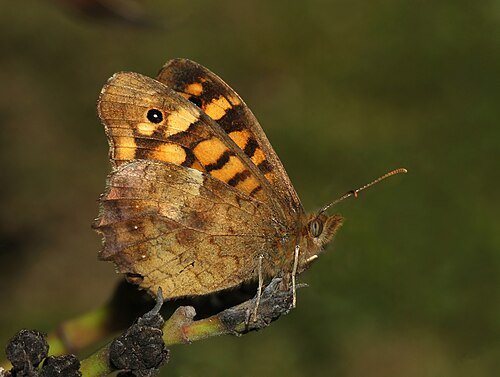
Pararge aegeria
FotoPhoto: Alvesgaspar, CC BY-SA 3.0, originaleoriginal

EgeriaSpeckled Wood

Speckled Wood

Egeria

Pararge aegeria

Pararge aegeria (Linnaeus, 1758) è un lepidottero diurno appartenente alla famiglia Nymphalidae, diffuso in Europa ad esclusione del nord della Scandinavia. Questo insetto è anche presente in Asia Minore, Caucaso, e Nordafrica. Wikipedia

The speckled wood (Pararge aegeria) is a butterfly found in and on the borders of woodland areas throughout much of the Palearctic realm. The species is subdivided into multiple subspecies, including Pararge aegeria aegeria, Pararge aegeria tircis, Pararge aegeria oblita, and Pararge aegeria insula. Wikipedia

Osservata 10 volte entro 25 km.Observed 10 times within 25 km.

Mesi migliori: maggio–giugno, agosto.Best months: May–June, August.

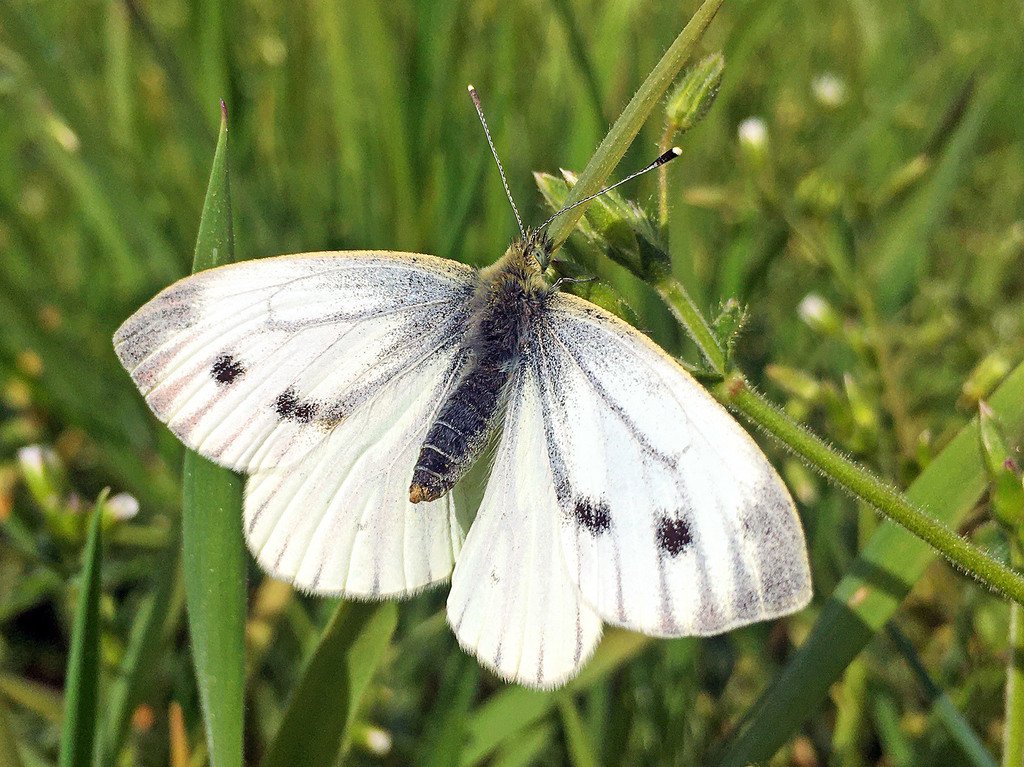
Pieris napi
FotoPhoto: Kai Löhr, CC BY 4.0, originaleoriginal

Pieride del navoneGreen-veined White

Green-veined White

Pieride del navone

Pieris napi

La pieride del navone (Pieris napi (Linnaeus, 1758)), è un lepidottero appartenente alla famiglia Pieridae. Wikipedia

The green-veined white (Pieris napi) is a butterfly of the family Pieridae. Wikipedia

Osservata 8 volte entro 25 km.Observed 8 times within 25 km.

Mesi migliori: giugno.Best months: June.

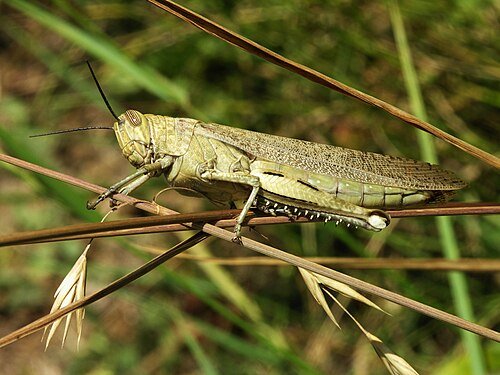
Anacridium aegyptium
FotoPhoto: Alvesgaspar, CC BY 2.5, originaleoriginal

Locusta egizianaEgyptian Bird Grasshopper

Egyptian Bird Grasshopper

Locusta egiziana

Anacridium aegyptium

La locusta egiziana (Anacridium aegyptium (Linnaeus, 1764)) è un insetto ortottero appartenente alla famiglia Acrididae, comune nel bacino del Mediterraneo. Wikipedia

Anacridium aegyptium, the Egyptian grasshopper or Egyptian locust, is a species of insect belonging to the subfamily Cyrtacanthacridinae. Wikipedia

Osservata 7 volte entro 25 km.Observed 7 times within 25 km.

Mesi migliori: agosto.Best months: August.

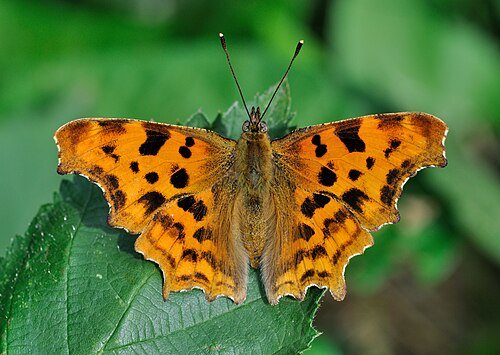
Polygonia c-album
FotoPhoto: Quartl, CC BY-SA 3.0, originaleoriginal

VirgolaEuropean Comma

European Comma

Virgola

Polygonia c-album

Polygonia c-album (Linnaeus, 1758) è un lepidottero diurno appartenente alla famiglia Nymphalidae, diffuso in Eurasia e Nordafrica. Wikipedia

Polygonia c-album, or the comma, is a food generalist (polyphagous) butterfly species belonging to the family Nymphalidae. The angular notches on the edges of the forewings are characteristic of the genus Polygonia, which is why species in the genus are commonly referred to as anglewing butterflies. Wikipedia

Osservata 7 volte entro 25 km.Observed 7 times within 25 km.

Mesi migliori: giugno–luglio.Best months: June–July.

AracnidiArachnids3 specie3 species

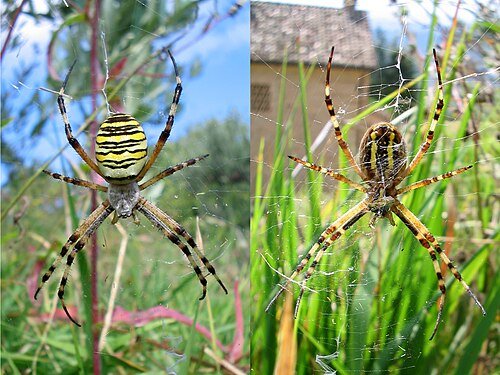
Argiope bruennichi
FotoPhoto: A7N8X, CC BY-SA 4.0, originaleoriginal

Ragno vespaWasp Spider

Wasp Spider

Ragno vespa

Argiope bruennichi

Il ragno vespa (Argiope bruennichi (Scopoli, 1772)) è una specie di ragno, così denominato per la colorazione dell'addome giallo e nera simile alla colorazione delle vespe. Viene anche chiamato comunemente ragno tigre, epeira fasciata, ragno zebra o argiope fasciata. Wikipedia

Argiope bruennichi, commonly known as the wasp spider, is a species of orb-weaver spider found across Central and Northern Europe, several regions of Asia and Africa and the Azores. Like many other members of the same genus Argiope, this species has distinctive yellow, white and black markings on its abdomen. Wikipedia

Osservata 7 volte entro 25 km.Observed 7 times within 25 km.

Mesi migliori: luglio–agosto.Best months: July–August.

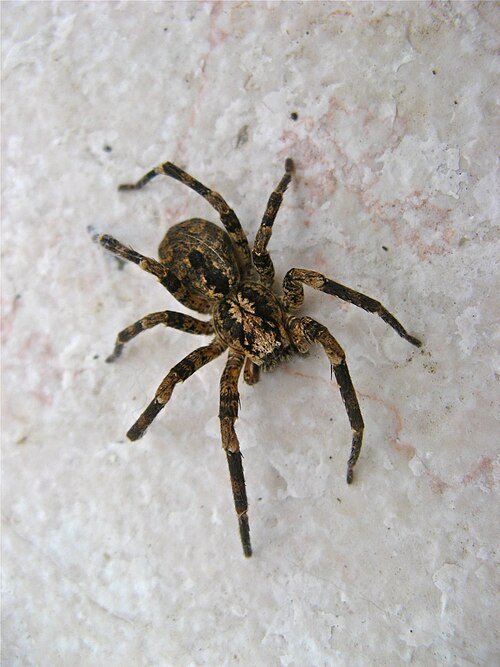
Zoropsis spinimana
FotoPhoto: Pottercomuneo, CC BY-SA 3.0, originaleoriginal

Falsa licosaMediterranean Spiny False Wolf Spider

Mediterranean Spiny False Wolf Spider

Falsa licosa

Zoropsis spinimana

La falsa licosa (Zoropsis spinimana Dufour, 1820) è un ragno della famiglia delle Zoropsidae, diffuso principalmente nell'Europa meridionale. È una delle 14 specie viventi del genere Zoropsis, di cui 4 presenti in Italia. Wikipedia

Zoropsis spinimana, also known as Nosferatu spider, is a spider species belonging to the family Zoropsidae. Wikipedia

Osservata 5 volte entro 25 km.Observed 5 times within 25 km.

Vista in: maggio (1), giugno (1), settembre (1), ottobre (1), dicembre (1).Seen in: May (1), June (1), September (1), October (1), December (1).

Ragno crociatoCross Orbweaver

Cross Orbweaver

Ragno crociato

Araneus diadematus

Araneus diadematus Clerck, 1757, noto comunemente con la denominazione di ragno crociato, è un ragno della famiglia Araneidae. Wikipedia

The spider species Araneus diadematus is commonly called the European garden spider, cross orbweaver, diadem spider, orangie, cross spider, and crowned orb weaver. It is sometimes called the pumpkin spider, although this name is also used for a different species, Araneus marmoreus. Wikipedia

Osservata 4 volte entro 25 km.Observed 4 times within 25 km.

Vista in: giugno (1), luglio (2), agosto (1).Seen in: June (1), July (2), August (1).

MolluschiMolluscs1 specie1 species

Argna ferrari
FotoPhoto: Francisco Welter-Schultes, CC0 1.0, originaleoriginal

Argna ferrari

Argna ferrari is a species of gastropod belonging to the family Argnidae. The species is found in South Europe. Wikipedia

Argna ferrari is a species of gastropod belonging to the family Argnidae. The species is found in South Europe. Wikipedia

Osservata 2 volte entro 25 km.Observed 2 times within 25 km.

Vista in: marzo (2).Seen in: March (2).

Altri animaliOther animals1 specie1 species

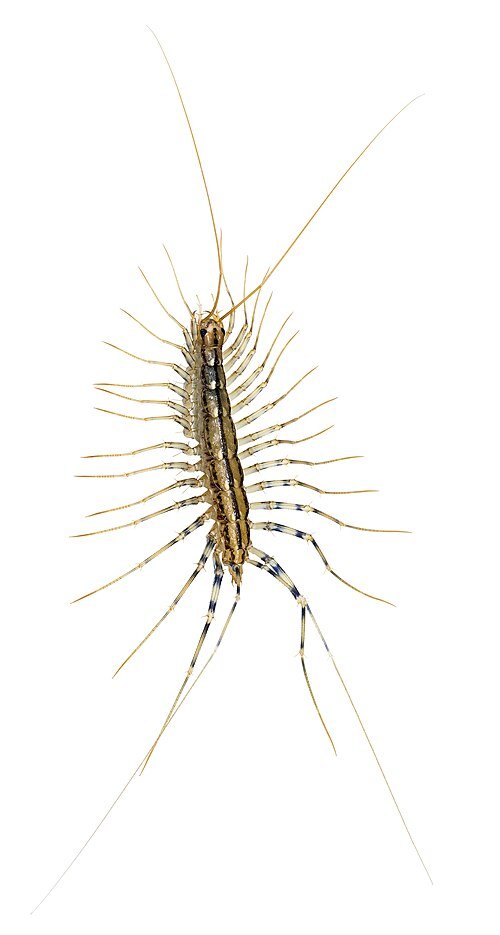
Scutigera coleoptrata
FotoPhoto: Didier Descouens, CC BY-SA 4.0, originaleoriginal

Scutigera comuneHouse Centipede

House Centipede

Scutigera comune

Scutigera coleoptrata

La scutigera (/skuˈtiʤera/; Scutigera coleoptrata Linnaeus, 1758) è un artropode chilopode grigio-giallastro con 15 paia di zampe. Originario della regione mediterranea, si è diffuso in altre parti del mondo e vive solitamente negli ambienti abitati. È un insettivoro, cioè uccide e mangia insetti. Wikipedia

Scutigera coleoptrata, also known as the house centipede, is a species of centipede that is typically yellowish-gray and has up to 15 pairs of long legs. Originating in the Mediterranean region, it has spread to other parts of the world, where it frequently lives in and around human homes. Wikipedia

Osservata 3 volte entro 25 km.Observed 3 times within 25 km.

Vista in: agosto (2), settembre (1).Seen in: August (2), September (1).

Per chi ospita

Gestisci un agriturismo, un B&B, un campeggio o un rifugio a Ivrea o nei dintorni? Con il Kit Natura questa pagina prende il nome della tua struttura e i dati del punto esatto in cui si trova, e ricevi poster con QR, cartoncino da tavolo, libretto e caccia al tesoro per i bambini. L'anteprima è gratuita e pronta in un minuto.

Guarda l'anteprima della tua struttura