Hai una struttura ricettiva a Cannobio? Questa pagina può portare il suo nome, con poster e QR per i tuoi ospiti.

Guarda la tua anteprima

Cannobio

Gli animali osservati nei dintorniWildlife observed nearby

Osservazioni delle 30 specie di questa pagina entro 25 km, mese per mese.Observations of the 30 species on this page within 25 km, month by month.

30 specie animali osservate entro 25 km da Cannobio, un po' per ogni gruppo, con i mesi in cui sono state viste. Vengono da 4.575 osservazioni pubbliche di 119 persone su iNaturalist, aggiornate al 13 novembre 2026. Dicono dove le persone hanno visto e fotografato un animale, non garantiscono avvistamenti.30 animal species observed within 25 km of Cannobio, a few from each group, with the months they were seen. They come from 4,575 public observations by 119 people on iNaturalist, updated on 13 November 2026. They show where people have seen and photographed an animal; they do not guarantee sightings.

UccelliBirds10 specie10 species

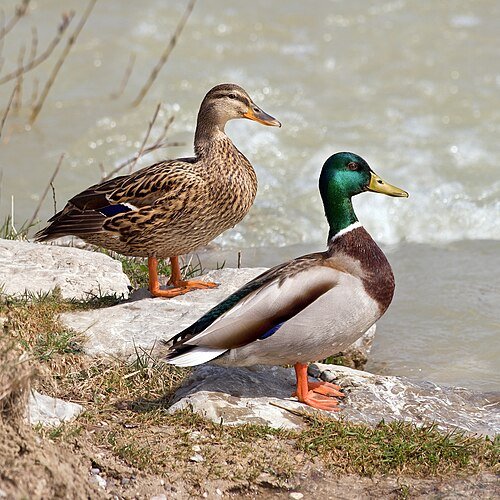
Anas platyrhynchos
FotoPhoto: This picture was realized by Richard Bartz by using a Canon EF 70-300mm f/4-5.6 IS USM Lens, CC BY-SA 2.5, originaleoriginal

Germano realeMallard

Mallard

Germano reale

Anas platyrhynchos

Il germano reale (Anas platyrhynchos Linnaeus, 1758) è un uccello della famiglia degli Anatidae noto in Italia anche come capoverde. Wikipedia

The mallard or wild duck (Anas platyrhynchos) is a dabbling duck that breeds throughout temperate and subtropical North America, Eurasia, and North Africa. It has been introduced to New Zealand, Australia, Peru, Brazil, Uruguay, Argentina, Chile, Colombia, the Falkland Islands, and South Africa. Wikipedia

Osservata 36 volte entro 25 km.Observed 36 times within 25 km.

Mesi migliori: marzo.Best months: March.
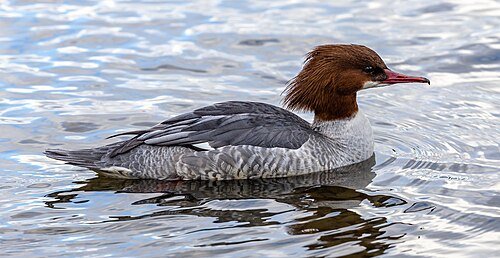
Mergus merganser
FotoPhoto: Michal Klajban, CC BY-SA 4.0, originaleoriginal

Smergo maggioreCommon Merganser

Common Merganser

Smergo maggiore

Mergus merganser

Lo smergo maggiore, (Mergus merganser), è un'anatra di grosse dimensioni, distribuita in tutta l'Europa, l'Asia settentrionale e il Nordamerica. È più comune in laghi e fiumi. I suoi nidi possono trovarsi nelle cavità degli alberi. Wikipedia

The common merganser or goosander (Mergus merganser) is a large sea duck of rivers and lakes in forested areas of Europe, Asia, and North America. The common merganser eats mainly fish. It nests in holes in trees. Wikipedia

Osservata 34 volte entro 25 km.Observed 34 times within 25 km.

Mesi migliori: marzo–maggio.Best months: March–May.

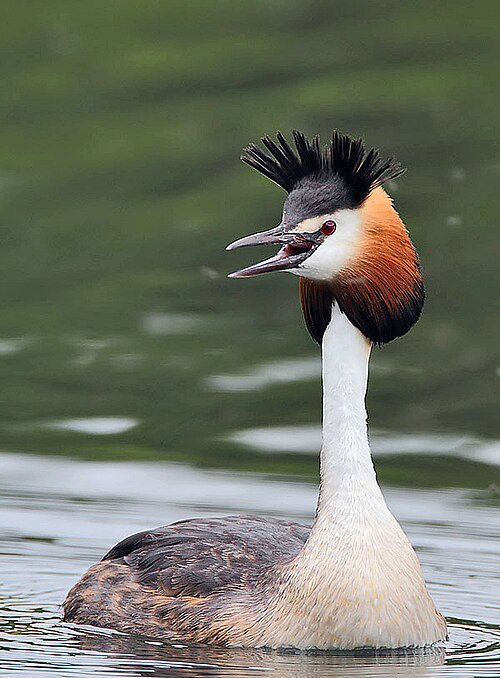
Podiceps cristatus
FotoPhoto: Steve Garvie from Dunfermline, Fife, Scotland, CC BY-SA 2.0, originaleoriginal

Svasso maggioreGreat Crested Grebe

Great Crested Grebe

Svasso maggiore

Podiceps cristatus

Lo svasso maggiore (Podiceps cristatus Linnaeus, 1758) è un uccello della famiglia dei Podicipedidi. Wikipedia

The great crested grebe (Podiceps cristatus) is a member of the grebe family of water birds. The bird is characterised by its distinctive appearance, featuring striking black, orange-brown, and white plumage, and elaborate courtship display that involves synchronised dances and displays. Wikipedia

Osservata 34 volte entro 25 km.Observed 34 times within 25 km.

Mesi migliori: gennaio, maggio.Best months: January, May.

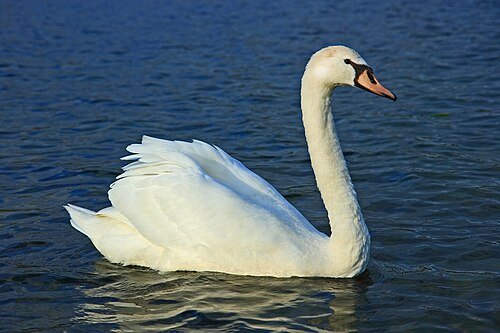
Cygnus olor
FotoPhoto: Sanchezn, CC BY-SA 3.0, originaleoriginal

Cigno realeMute Swan

Mute Swan

Cigno reale

Cygnus olor

Il cigno reale (Cygnus olor (Gmelin, 1789)) è un uccello acquatico appartenente alla famiglia Anatidae, originario dell'Eurasia ma introdotto anche in America del Nord, Oceania e Africa Meridionale. Wikipedia

The mute swan (Cygnus olor) is a species of swan and a member of the family Anatidae within the waterfowl order. It is native to much of Europe and parts of Asia and (as a rare winter visitor) the far north of Africa. Wikipedia

Osservata 32 volte entro 25 km.Observed 32 times within 25 km.

Mesi migliori: giugno, settembre.Best months: June, September.

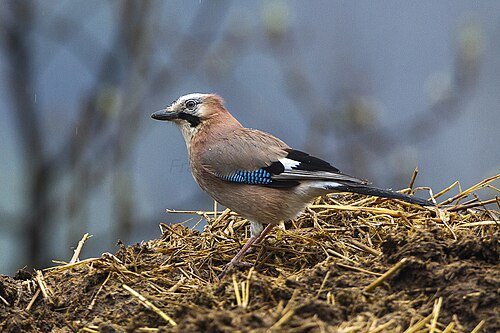
Garrulus glandarius
FotoPhoto: Francesco Veronesi from Italy, CC BY-SA 2.0, originaleoriginal

GhiandaiaEurasian Jay

Eurasian Jay

Ghiandaia

Garrulus glandarius

La ghiandaia (Garrulus glandarius (Linnaeus, 1758)) è un uccello passeriforme appartenente alla famiglia dei Corvidae. Wikipedia

The Eurasian jay (Garrulus glandarius) is a species of passerine bird in the family Corvidae. It has pinkish brown plumage with a black stripe on each side of a whitish throat, a bright blue panel on the upper wing and a black tail. Wikipedia

Osservata 24 volte entro 25 km.Observed 24 times within 25 km.

Mesi migliori: gennaio, marzo–aprile.Best months: January, March–April.

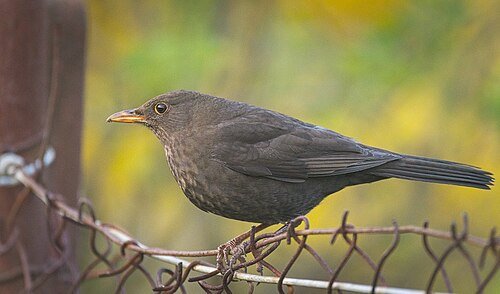
Turdus merula
FotoPhoto: hedera.baltica from Wrocław, Poland, CC BY-SA 2.0, originaleoriginal

MerloEurasian Blackbird

Eurasian Blackbird

Merlo

Turdus merula

Il merlo (Turdus merula Linnaeus, 1758) è un uccello passeriforme della famiglia dei Turdidi. Di taglia media, il maschio ha una livrea completamente nera e il becco giallo, mentre la femmina è bruno-nerastra. Wikipedia

The common blackbird (Turdus merula) is a species of true thrush. It is also known as the Eurasian blackbird (especially in North America, to distinguish it from the distinct New World blackbirds), or simply the blackbird. Wikipedia

Osservata 23 volte entro 25 km.Observed 23 times within 25 km.

Mesi migliori: gennaio, marzo, maggio.Best months: January, March, May.

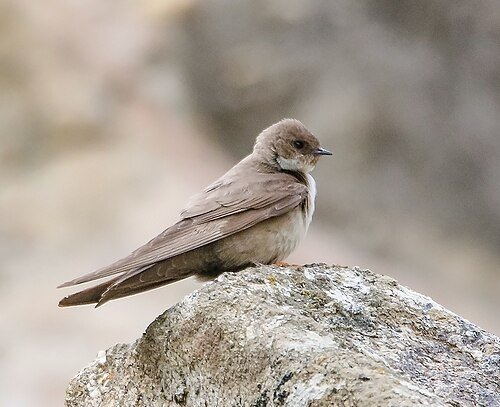
Ptyonoprogne rupestris
FotoPhoto: Imran Shah from Islamabad, Pakistan, CC BY-SA 2.0, originaleoriginal

Rondine montanaEurasian Crag-Martin

Eurasian Crag-Martin

Rondine montana

Ptyonoprogne rupestris

La rondine montana (Ptyonoprogne rupestris Scopoli, 1769) è un uccello della famiglia Hirundinidae. Wikipedia

The Eurasian crag martin or just crag martin (Ptyonoprogne rupestris) is a small passerine bird in the swallow family. It is about 14 cm (5.5 in) long with ash-brown upperparts and paler underparts, and a short, square tail that has distinctive white patches on most of its feathers. Wikipedia

Osservata 22 volte entro 25 km.Observed 22 times within 25 km.

Mesi migliori: settembre.Best months: September.

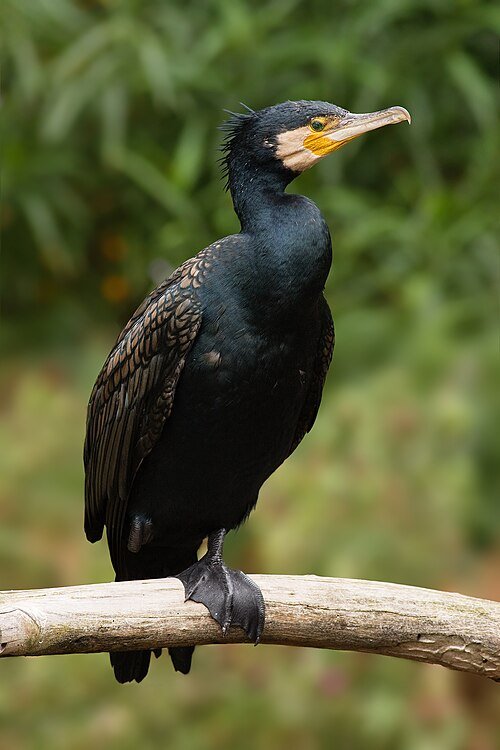
Phalacrocorax carbo
FotoPhoto: JJ Harrison (https://www.jjharrison.com.au/), CC BY-SA 3.0, originaleoriginal

Cormorano comuneGreat Cormorant

Great Cormorant

Cormorano comune

Phalacrocorax carbo

Il cormorano comune (Phalacrocorax carbo Linnaeus, 1758) è un uccello acquatico della famiglia dei Falacrocoracidi diffuso in tutta l'Eurasia e l'Australasia, nonché nelle regioni nord-orientali dell'America Settentrionale e in quelle settentrionali dell'Africa. Wikipedia

The great cormorant (Phalacrocorax carbo), also known as just cormorant in Britain, as black shag or kawau in New Zealand, formerly also known as the great black cormorant across the Northern Hemisphere, the black cormorant in Australia, and the large cormorant in India, is a widespread member of the cormorant family… Wikipedia

Osservata 21 volte entro 25 km.Observed 21 times within 25 km.

Mesi migliori: gennaio, novembre.Best months: January, November.

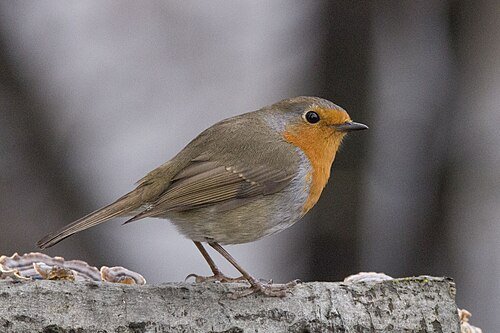
Erithacus rubecula
FotoPhoto: Rory from Glasgow, United Kingdom, CC BY 2.0, originaleoriginal

PettirossoEuropean Robin

European Robin

Pettirosso

Erithacus rubecula

Il pettirosso (Erithacus rubecula (Linnaeus, 1758)) è un piccolo uccello passeriforme della famiglia dei Muscicapidae, in passato classificato come facente parte della famiglia dei Turdidae. È l'unica specie nota del genere Erithacus. Wikipedia

The European robin (Erithacus rubecula), known simply as the robin or robin redbreast in the British Isles, is a small insectivorous passerine bird belonging to the Old World flycatcher family Muscicapidae. It is found across Europe, as far east as Western Siberia, and as far south as North Africa. Wikipedia

Osservata 20 volte entro 25 km.Observed 20 times within 25 km.

Mesi migliori: gennaio.Best months: January.

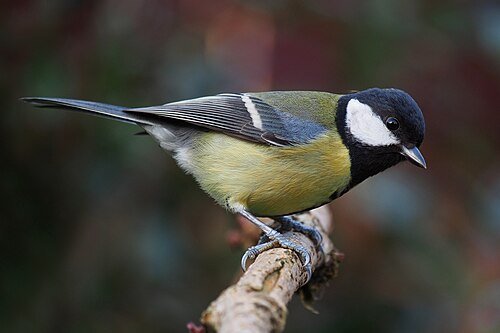
Parus major
FotoPhoto: Francis Franklin, CC BY-SA 4.0, originaleoriginal

CinciallegraGreat Tit

Great Tit

Cinciallegra

Parus major

La cinciallegra (Parus major Linnaeus, 1758) è un uccello passeriforme appartenente alla famiglia dei Paridi. Wikipedia

The great tit (Parus major) is a small passerine bird in the tit family Paridae. It is widespread and common throughout Europe, the Middle East, Central Asia and as far east as the Amur River. It also occurs in parts of North Africa where it is generally resident in any sort of woodland. Wikipedia

Osservata 19 volte entro 25 km.Observed 19 times within 25 km.

Mesi migliori: gennaio.Best months: January.

MammiferiMammals5 specie5 species

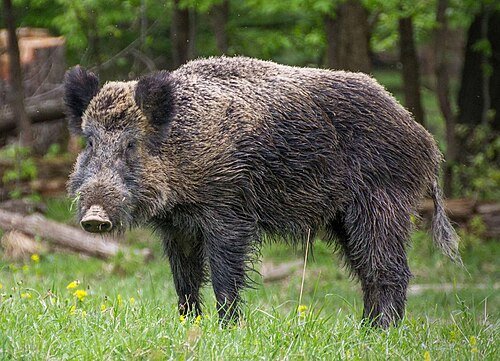
Sus scrofa
FotoPhoto: Valentin Panzirsch, CC BY-SA 3.0 at, originaleoriginal

CinghialeWild Boar

Wild Boar

Cinghiale

Sus scrofa

Il cinghiale comune (Sus scrofa Linnaeus, 1758) è un mammifero artiodattilo appartenente alla famiglia Suidae. Wikipedia

The wild boar (Sus scrofa), also known as the wild swine, common wild pig, Eurasian wild pig, or simply wild pig, is a suid native to much of Eurasia and North Africa and has been introduced to the Americas and Oceania. Wikipedia

Osservata 15 volte entro 25 km.Observed 15 times within 25 km.

Mesi migliori: giugno.Best months: June.

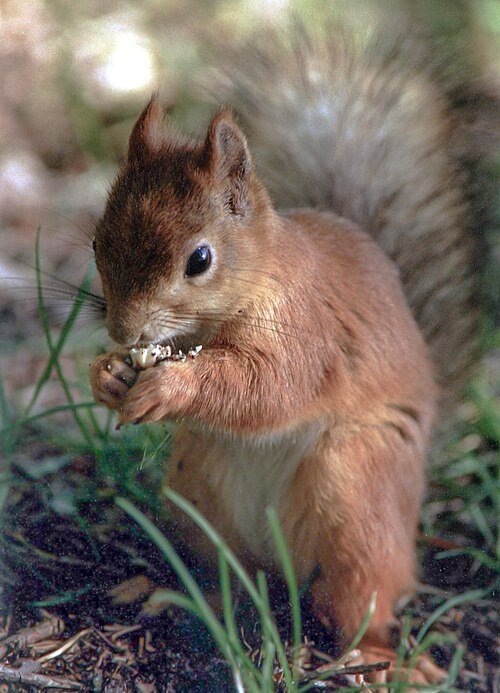
Sciurus vulgaris
FotoPhoto: Toivo Toivanen & Tiina Toppila, Public domain, originaleoriginal

Scoiattolo rossoEurasian Red Squirrel

Eurasian Red Squirrel

Scoiattolo rosso

Sciurus vulgaris

Lo scoiattolo rosso (Sciurus vulgaris Linnaeus, 1758) è un mammifero che appartiene alla famiglia degli Sciuridae, dell'ordine dei Roditori, della classe dei Mammiferi. Wikipedia

The red squirrel (Sciurus vulgaris), also called Eurasian red squirrel, is a species of tree squirrel in the genus Sciurus. It is an arboreal and primarily herbivorous rodent and common throughout Eurasia. Wikipedia

Osservata 9 volte entro 25 km.Observed 9 times within 25 km.

Mesi migliori: gennaio, aprile, luglio.Best months: January, April, July.

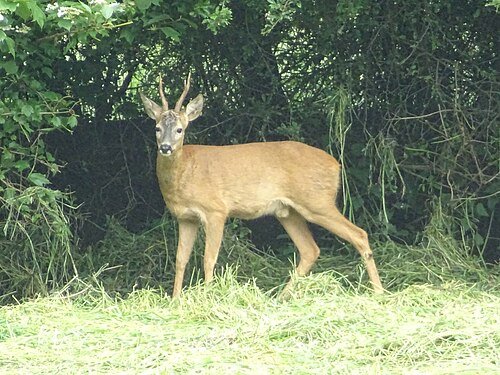
Capreolus capreolus
FotoPhoto: Karbohut, CC BY-SA 4.0, originaleoriginal

CaprioloWestern Roe Deer

Western Roe Deer

Capriolo

Capreolus capreolus

Il capriolo eurasiatico (Capreolus capreolus, Linnaeus, 1758) è un ungulato diffuso in Eurasia. Wikipedia

The roe deer (Capreolus capreolus), also known as the roe, western roe deer, or European roe, is a species of deer. The male of the species is sometimes referred to as a roebuck. The roe is a small deer, reddish and grey-brown, and well-adapted to cold environments. Wikipedia

Osservata 6 volte entro 25 km.Observed 6 times within 25 km.

Mesi migliori: marzo, giugno.Best months: March, June.

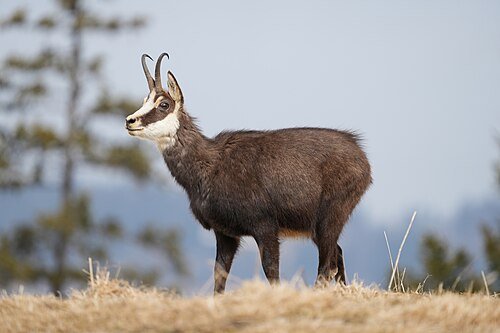
Rupicapra rupicapra
FotoPhoto: Giles Laurent, CC BY-SA 4.0, originaleoriginal

Camoscio alpinoNorthern Chamois

Northern Chamois

Camoscio alpino

Rupicapra rupicapra

Il camoscio alpino (Rupicapra rupicapra, Linnaeus 1758) è un mammifero artiodattilo appartenente alla famiglia dei Bovidi. Di aspetto molto simile alle capre, viene incluso con esse e con le pecore nella sottofamiglia dei Caprini. Wikipedia

The chamois (French: ; Rupicapra rupicapra), or Alpine chamois, is a species of goat-antelope native to mountainous parts of Europe and Western Asia, from the Pyrenees and the Cantabrian Mountain Range, the Alps, the Apennines, the Dinarides, the Tatra to the Carpathian Mountains, the Balkan Mountains, the… Wikipedia

Osservata 6 volte entro 25 km.Observed 6 times within 25 km.

Mesi migliori: giugno.Best months: June.

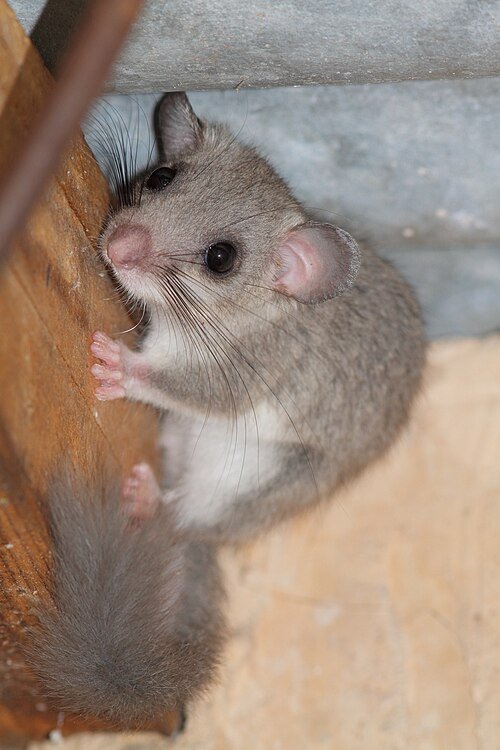
Glis glis
FotoPhoto: Bouke ten Cate, CC BY-SA 4.0, originaleoriginal

GhiroEuropean Fat Dormouse

European Fat Dormouse

Ghiro

Glis glis

Il ghiro (Glis glis Linnaeus, 1766) è un roditore appartenente alla famiglia Gliridae; è l'unica specie del genere Glis. Wikipedia

The European edible dormouse (Glis glis), also known as the European dormouse or European fat dormouse, is a large dormouse and one of only two living species in the genus Glis, found in most of Europe and parts of western Asia. The common name comes from the Romans, who ate them as a delicacy. Wikipedia

Osservata 5 volte entro 25 km.Observed 5 times within 25 km.

Mesi migliori: agosto–settembre.Best months: August–September.

RettiliReptiles3 specie3 species

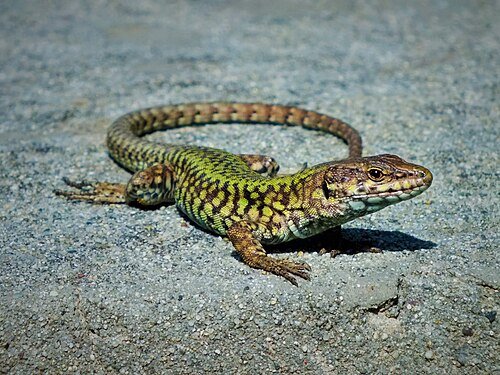
Podarcis muralis
FotoPhoto: Mariomassone, CC BY-SA 4.0, originaleoriginal

Lucertola muraiolaCommon Wall Lizard

Common Wall Lizard

Lucertola muraiola

Podarcis muralis

La lucertola muraiola (Podarcis muralis Laurenti, 1768), nota anche come lucertola dei muri, lucertola delle muraglie, lucertola murale o semplicemente muraiola, è un rettile appartenente alla famiglia Lacertidae. Wikipedia

The common wall lizard (Podarcis muralis) is a species of lizard with a large distribution in Europe and well-established introduced populations in North America, where it is also called the European wall lizard. It can grow to about 20 cm (7.9 in) in total length. Wikipedia

Osservata 88 volte entro 25 km.Observed 88 times within 25 km.

Mesi migliori: aprile–settembre.Best months: April–September.

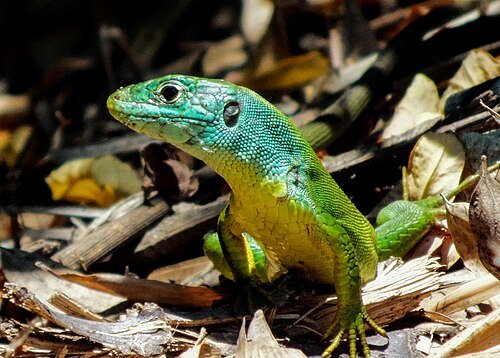
Lacerta bilineata
FotoPhoto: Mariomassone, CC BY-SA 4.0, originaleoriginal

Ramarro occidentaleWestern Green Lizard

Western Green Lizard

Ramarro occidentale

Lacerta bilineata

Il ramarro occidentale (Lacerta bilineata Daudin, 1802) è un sauro della famiglia dei Lacertidi, di colore verde brillante, rapidissimo nei movimenti. Wikipedia

The western green lizard (Lacerta bilineata) is a lizard of the family Lacertidae. Wikipedia

Osservata 12 volte entro 25 km.Observed 12 times within 25 km.

Mesi migliori: luglio, settembre.Best months: July, September.

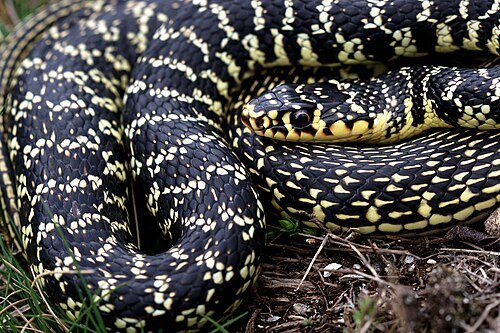
Hierophis viridiflavus
FotoPhoto: FelixReimann, CC BY-SA 3.0, originaleoriginal

BiaccoGreen Whip Snake

Green Whip Snake

Biacco

Hierophis viridiflavus

Il biacco (Hierophis viridiflavus (Lacépède, 1789)), precedentemente classificato come Coluber viridiflavus, è un serpente non velenoso per l'uomo della famiglia dei Colubridi, frequente nelle campagne e nei giardini, sia in terreni rocciosi, secchi e soleggiati, sia in luoghi più umidi come le praterie e le rive dei… Wikipedia

The green whip snake or western whip snake (Hierophis viridiflavus) is a species of snake in the family Colubridae. Wikipedia

Osservata 11 volte entro 25 km.Observed 11 times within 25 km.

Mesi migliori: maggio, agosto–settembre.Best months: May, August–September.

AnfibiAmphibians1 specie1 species

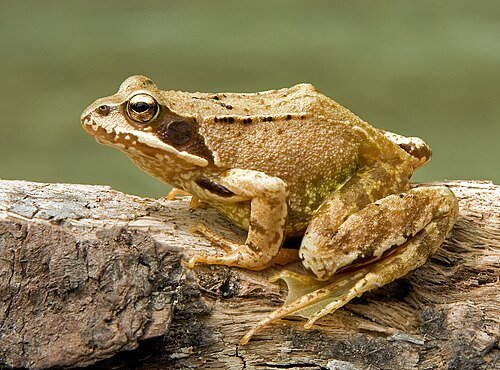
Rana temporaria
FotoPhoto: Richard Bartz, Munich aka Makro Freak Image:MFB.jpg, CC BY-SA 2.5, originaleoriginal

Rana montanaEuropean Common Frog

European Common Frog

Rana montana

Rana temporaria

La rana alpina o rana montana (Rana temporaria Linnaeus, 1758), comunemente chiamata anche rana rossa, termine che spesso include altre congeneri di minore diffusione, è un anfibio anuro della famiglia Ranidae, molto comune in Europa. Wikipedia

The common frog or grass frog (Rana temporaria), also known as the European common frog, European common brown frog, European grass frog, European Holarctic true frog, European pond frog, European brown frog, or simply the frog, is a semi-aquatic amphibian of the family Ranidae, found throughout much of Europe as far… Wikipedia

Osservata 12 volte entro 25 km.Observed 12 times within 25 km.

Mesi migliori: marzo, luglio–agosto.Best months: March, July–August.

InsettiInsects6 specie6 species

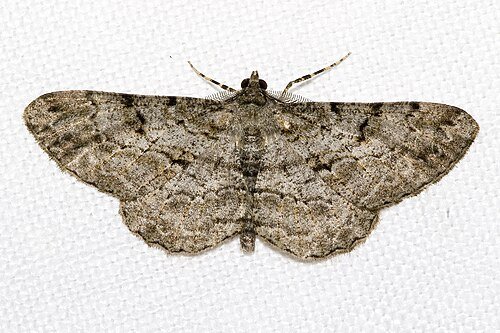
Peribatodes rhomboidaria
FotoPhoto: Olei, CC BY-SA 3.0, originaleoriginal

Boarmia delle gemme della viteWillow Beauty

Willow Beauty

Boarmia delle gemme della vite

Peribatodes rhomboidaria

The willow beauty (Peribatodes rhomboidaria) is a moth of the family Geometridae. It is a common species of Europe and adjacent regions (Near East and the Maghreb). Wikipedia

The willow beauty (Peribatodes rhomboidaria) is a moth of the family Geometridae. It is a common species of Europe and adjacent regions (Near East and the Maghreb). Wikipedia

Osservata 82 volte entro 25 km.Observed 82 times within 25 km.

Mesi migliori: agosto–settembre.Best months: August–September.

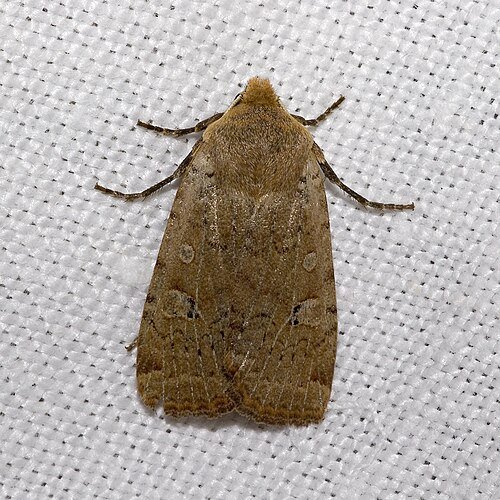
Xestia castanea
FotoPhoto: Dumi, CC BY-SA 3.0, originaleoriginal

Neglected Rustic

Xestia castanea

Xestia castanea, the grey rustic or neglected rustic, is a moth of the family Noctuidae. It is found from central Europe to Morocco, Turkey, Lebanon, Israel, Jordan and Syria. Wikipedia

Xestia castanea, the grey rustic or neglected rustic, is a moth of the family Noctuidae. It is found from central Europe to Morocco, Turkey, Lebanon, Israel, Jordan and Syria. Wikipedia

Osservata 48 volte entro 25 km.Observed 48 times within 25 km.

Mesi migliori: settembre–ottobre.Best months: September–October.

Marbled White-spot

Deltote pygarga

Osservata 44 volte entro 25 km.Observed 44 times within 25 km.

Mesi migliori: maggio–agosto.Best months: May–August.

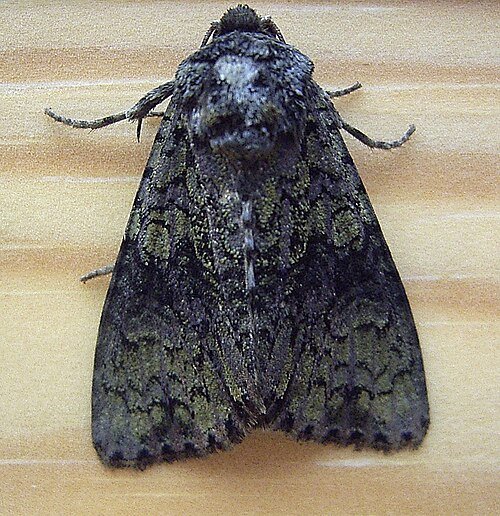
Craniophora ligustri
FotoPhoto: Denis Barthel, CC BY-SA 3.0, originaleoriginal

Coronet

Craniophora ligustri

Craniophora ligustri, the coronet, is a moth of the family Noctuidae. The species was first described by Michael Denis and Ignaz Schiffermüller in 1775. It is found in Europe, through the Palearctic to Japan. Wikipedia

Craniophora ligustri, the coronet, is a moth of the family Noctuidae. The species was first described by Michael Denis and Ignaz Schiffermüller in 1775. It is found in Europe, through the Palearctic to Japan. Wikipedia

Osservata 36 volte entro 25 km.Observed 36 times within 25 km.

Mesi migliori: luglio–agosto.Best months: July–August.

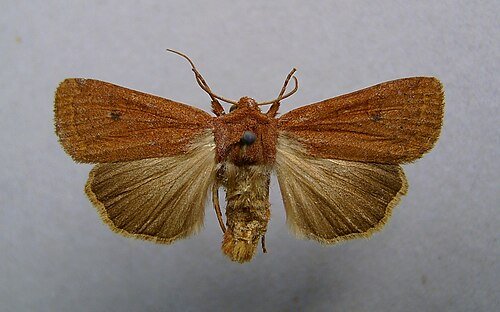
Conistra erythrocephala
FotoPhoto: picture taken by Olaf Leillinger, CC BY-SA 2.5, originaleoriginal

Red-headed Chestnut

Conistra erythrocephala

Conistra erythrocephala, the red-headed chestnut, is a moth of the family Noctuidae. It is distributed in central and southern Europe and is recorded from Asia Minor, (Amasia). Wikipedia

Conistra erythrocephala, the red-headed chestnut, is a moth of the family Noctuidae. It is distributed in central and southern Europe and is recorded from Asia Minor, (Amasia). Wikipedia

Osservata 35 volte entro 25 km.Observed 35 times within 25 km.

Mesi migliori: ottobre.Best months: October.

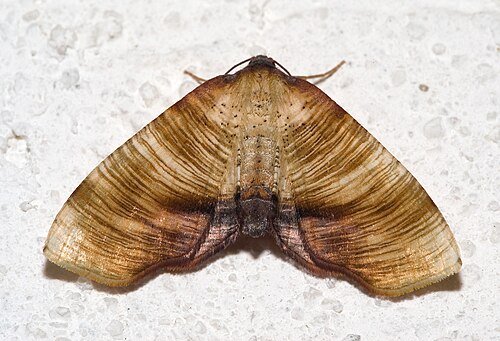
Plagodis dolabraria
FotoPhoto: Kulac, CC BY-SA 3.0, originaleoriginal

Scorched Wing

Plagodis dolabraria

Plagodis dolabraria, the scorched wing, is a moth of the family Geometridae. The species was first described by Carl Linnaeus in 1767. It is found throughout Europe and through the Palearctic, east to Transcaucasia, south east Siberia and Japan. Wikipedia

Plagodis dolabraria, the scorched wing, is a moth of the family Geometridae. The species was first described by Carl Linnaeus in 1767. It is found throughout Europe and through the Palearctic, east to Transcaucasia, south east Siberia and Japan. Wikipedia

Osservata 35 volte entro 25 km.Observed 35 times within 25 km.

Mesi migliori: aprile, luglio.Best months: April, July.

AracnidiArachnids3 specie3 species

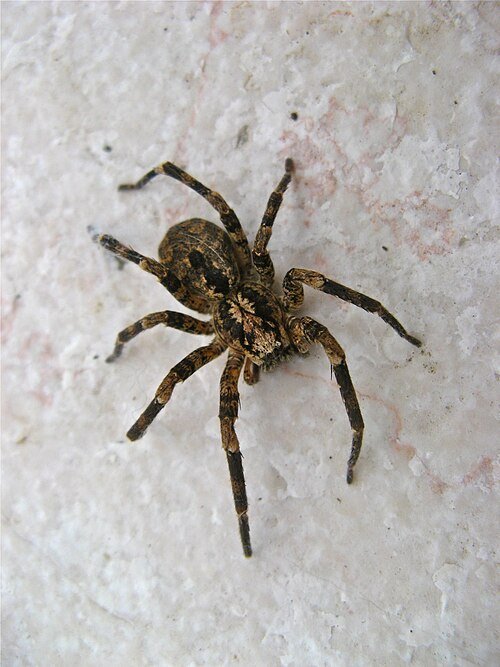
Zoropsis spinimana
FotoPhoto: Pottercomuneo, CC BY-SA 3.0, originaleoriginal

Falsa licosaMediterranean Spiny False Wolf Spider

Mediterranean Spiny False Wolf Spider

Falsa licosa

Zoropsis spinimana

La falsa licosa (Zoropsis spinimana Dufour, 1820) è un ragno della famiglia delle Zoropsidae, diffuso principalmente nell'Europa meridionale. È una delle 14 specie viventi del genere Zoropsis, di cui 4 presenti in Italia. Wikipedia

Zoropsis spinimana, also known as Nosferatu spider, is a spider species belonging to the family Zoropsidae. Wikipedia

Osservata 18 volte entro 25 km.Observed 18 times within 25 km.

Mesi migliori: agosto–settembre.Best months: August–September.

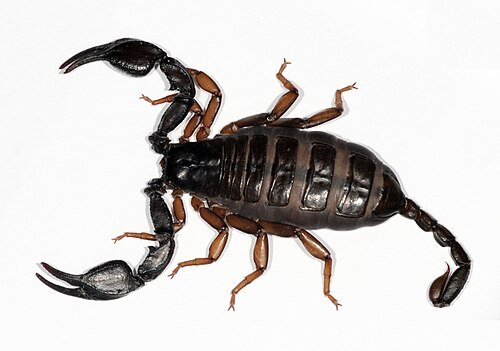
Euscorpius italicus
FotoPhoto: Fritz Geller-Grimm, CC BY-SA 3.0, originaleoriginal

Scorpione italianoItalian scorpion

Italian scorpion

Scorpione italiano

Euscorpius italicus

Lo scorpione italiano (Euscorpius italicus Herbst, 1800) è uno scorpione della famiglia Euscorpiidae distribuito in Europa (Italia, Grecia, Svizzera, Francia, Balcani) e in Nord Africa. L'habitat è rappresentato soprattutto da vecchie mura, pietraie e legnaie, dove trova rifugio in buchi, anfratti e crepe. Wikipedia

Euscorpius italicus is a scorpion belonging to the genus of small wood-scorpions. It is the largest species in the genus, with adults reaching lengths up to 50 mm. Its size can thus be used as a heuristic for determination. Wikipedia

Osservata 7 volte entro 25 km.Observed 7 times within 25 km.

Mesi migliori: maggio.Best months: May.

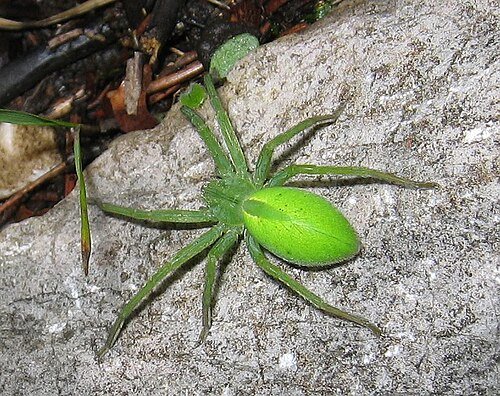
Micrommata virescens
FotoPhoto: Tigerente, CC BY-SA 3.0, originaleoriginal

Ragno verde dei campiGreen Huntsman Spider

Green Huntsman Spider

Ragno verde dei campi

Micrommata virescens

Micrommata virescens (Clerck, 1757) è un ragno della famiglia Sparassidae. Wikipedia

Micrommata virescens, common name green huntsman spider, or emerald spider is a species of huntsman spiders belonging to the family Sparassidae. Wikipedia

Osservata 7 volte entro 25 km.Observed 7 times within 25 km.

Mesi migliori: luglio, settembre.Best months: July, September.

MolluschiMolluscs1 specie1 species

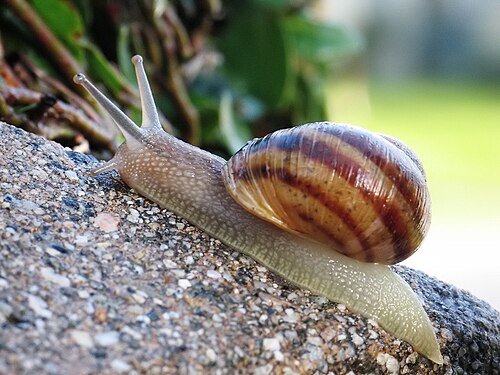
Cornu aspersum
FotoPhoto: macrophile on Flickr, CC BY 2.0, originaleoriginal

Chiocciola zigrinataGarden Snail

Garden Snail

Chiocciola zigrinata

Cornu aspersum

Cornu aspersum (Müller, 1774) è un mollusco gasteropode terrestre della famiglia Helicidae. Wikipedia

Cornu aspersum (syn. Helix aspersa, Cryptomphalus aspersus), known by the common name garden snail, is a species of land snail in the family Helicidae, which includes some of the most familiar land snails. Of all terrestrial molluscs, this species may be the most widely known. Wikipedia

Osservata 6 volte entro 25 km.Observed 6 times within 25 km.

Mesi migliori: febbraio, giugno.Best months: February, June.

Altri animaliOther animals1 specie1 species

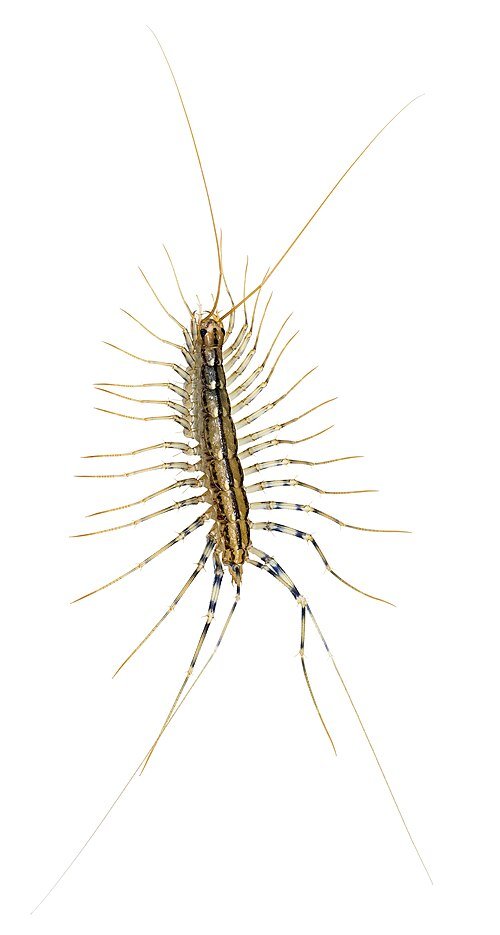
Scutigera coleoptrata
FotoPhoto: Didier Descouens, CC BY-SA 4.0, originaleoriginal

Scutigera comuneHouse Centipede

House Centipede

Scutigera comune

Scutigera coleoptrata

La scutigera (/skuˈtiʤera/; Scutigera coleoptrata Linnaeus, 1758) è un artropode chilopode grigio-giallastro con 15 paia di zampe. Originario della regione mediterranea, si è diffuso in altre parti del mondo e vive solitamente negli ambienti abitati. È un insettivoro, cioè uccide e mangia insetti. Wikipedia

Scutigera coleoptrata, also known as the house centipede, is a species of centipede that is typically yellowish-gray and has up to 15 pairs of long legs. Originating in the Mediterranean region, it has spread to other parts of the world, where it frequently lives in and around human homes. Wikipedia

Osservata 15 volte entro 25 km.Observed 15 times within 25 km.

Mesi migliori: maggio, agosto.Best months: May, August.

Per chi ospita

Gestisci un agriturismo, un B&B, un campeggio o un rifugio a Cannobio o nei dintorni? Con il Kit Natura questa pagina prende il nome della tua struttura e i dati del punto esatto in cui si trova, e ricevi poster con QR, cartoncino da tavolo, libretto e caccia al tesoro per i bambini. L'anteprima è gratuita e pronta in un minuto.

Guarda l'anteprima della tua struttura